All Examples

Interest · 38 examples

Biomimicry examples:
Materials

38 examples where people turned a strategy from nature into materials solutions.

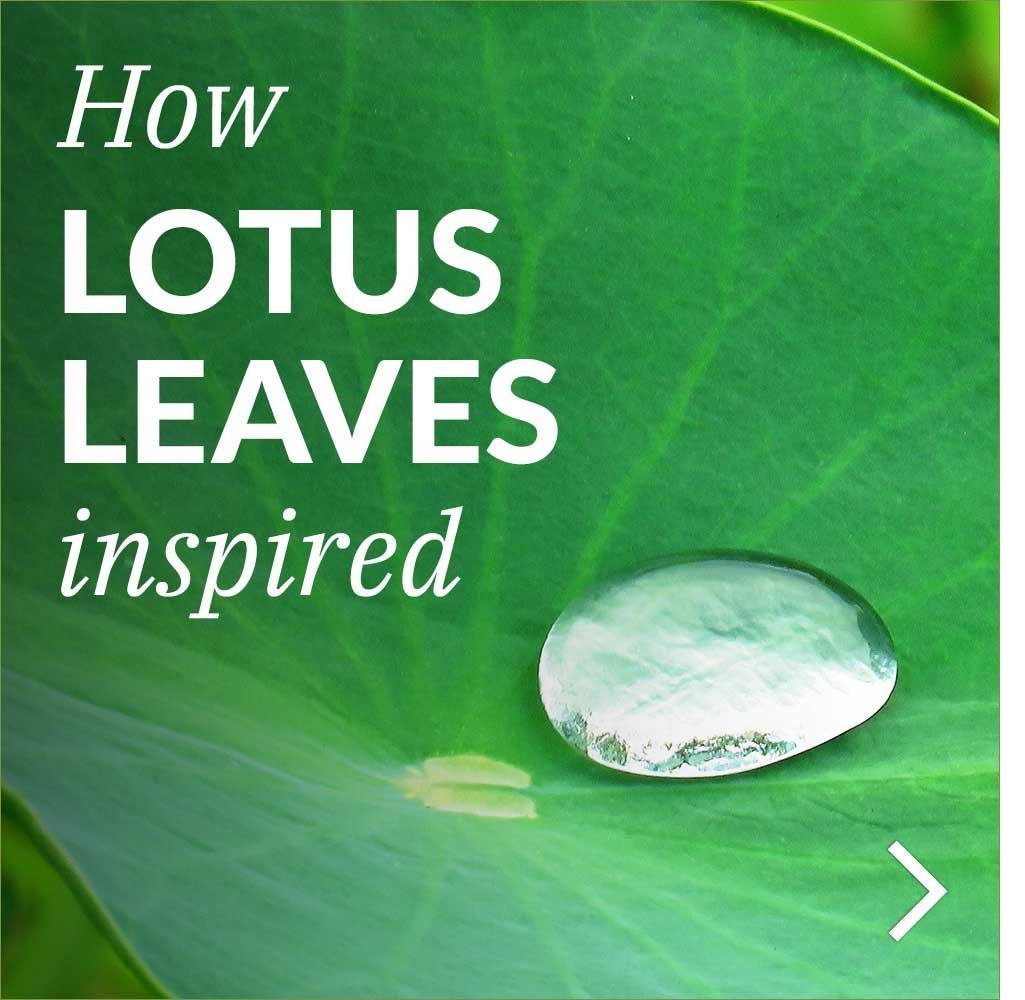
Biological inspiration for Amphico - Lotus Leaf PFAS-Free Water Repellency
Human application for Amphico - Lotus Leaf PFAS-Free Water Repellency
Materials

Lotus leaf (Nelumbo nucifera) surface structure

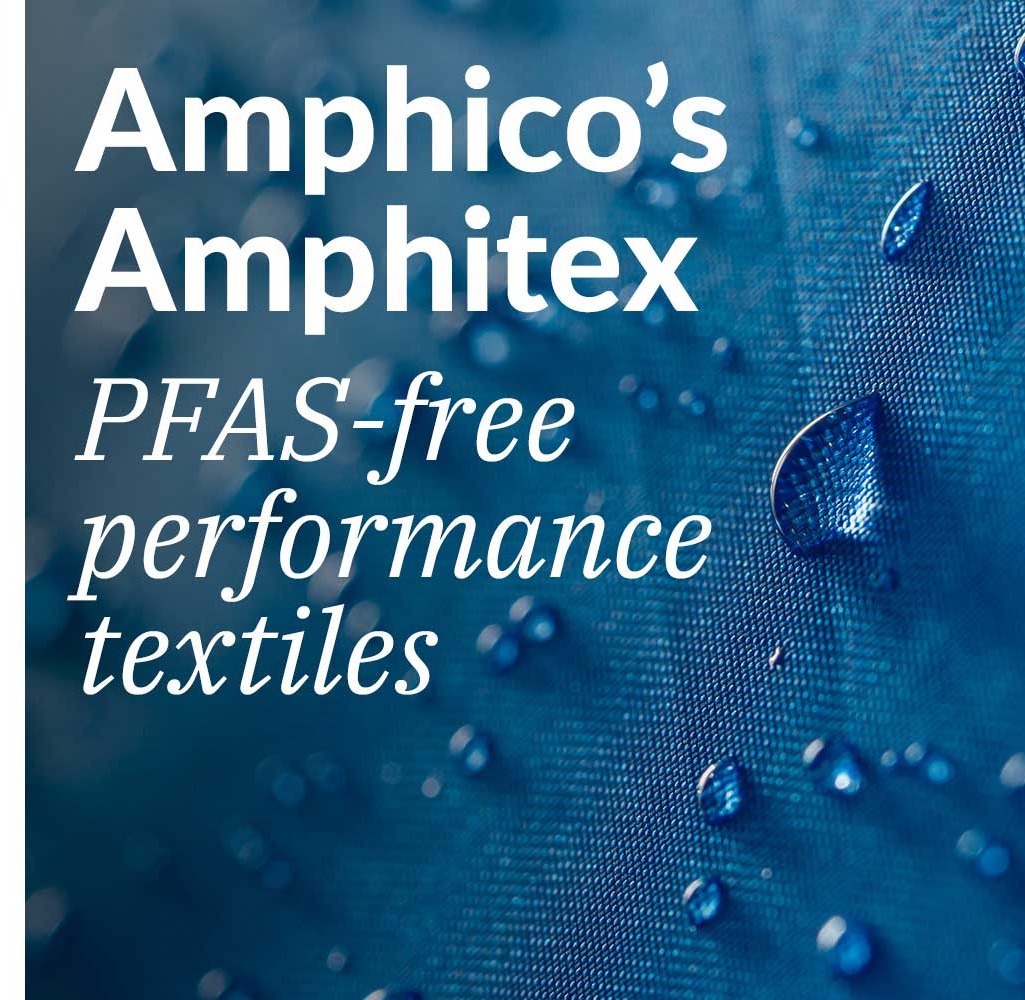
Amphico - Lotus Leaf PFAS-Free Water Repellency

Lotus leaf surface microstructure inspires PFAS-free, durable water-repellent textiles (Amphitex), eliminating persistent environmental pollutants.

  • ✿Inspired by: Lotus leaf (Nelumbo nucifera) surface structure
  • ⚡︎Function: Lotus leaves must shed water and debris to prevent fungal colonisation and maintain gas exchange. They overcome wettability through multi...
  • ▣Company: Amphico
  • ◉Where: UK
See full biomimicry example
Materials

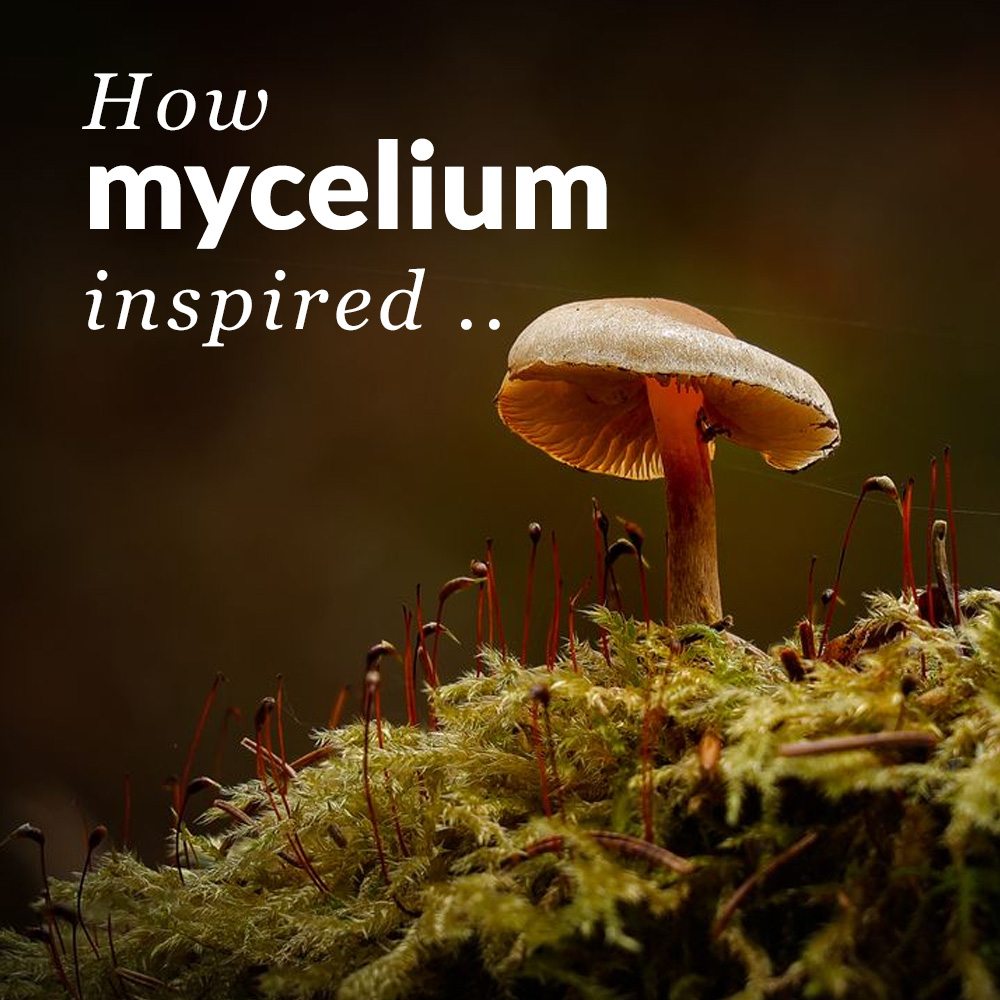
Mycelium (fungal networks, various Basidiomycete species)

Mycelium-Based Sustainable Packaging

Ecovative Design engineered mycelium-based packaging materials that are completely compostable and biodegradable. Mycelium (fungal root networks) grows as a natural binder, creating foam-like structures that replace plastic packaging.

  • ✿Inspired by: Mycelium (fungal networks, various Basidiomycete species)
  • ⚡︎Function: Protective cushioning and structural binding
  • ▣Company: Ecovative Design
  • ◉Where: USA
See full biomimicry example
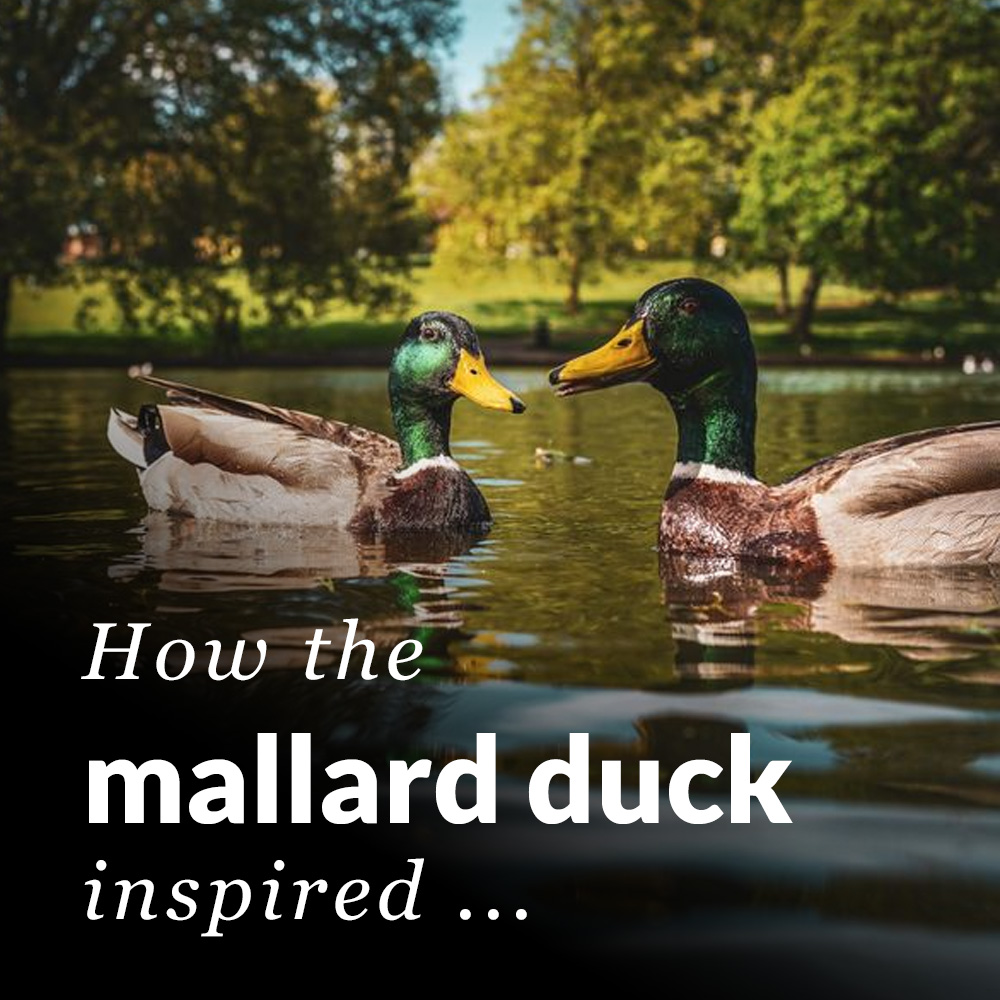
Biological inspiration for Eco-Friendly Waterproofing for Paper Products
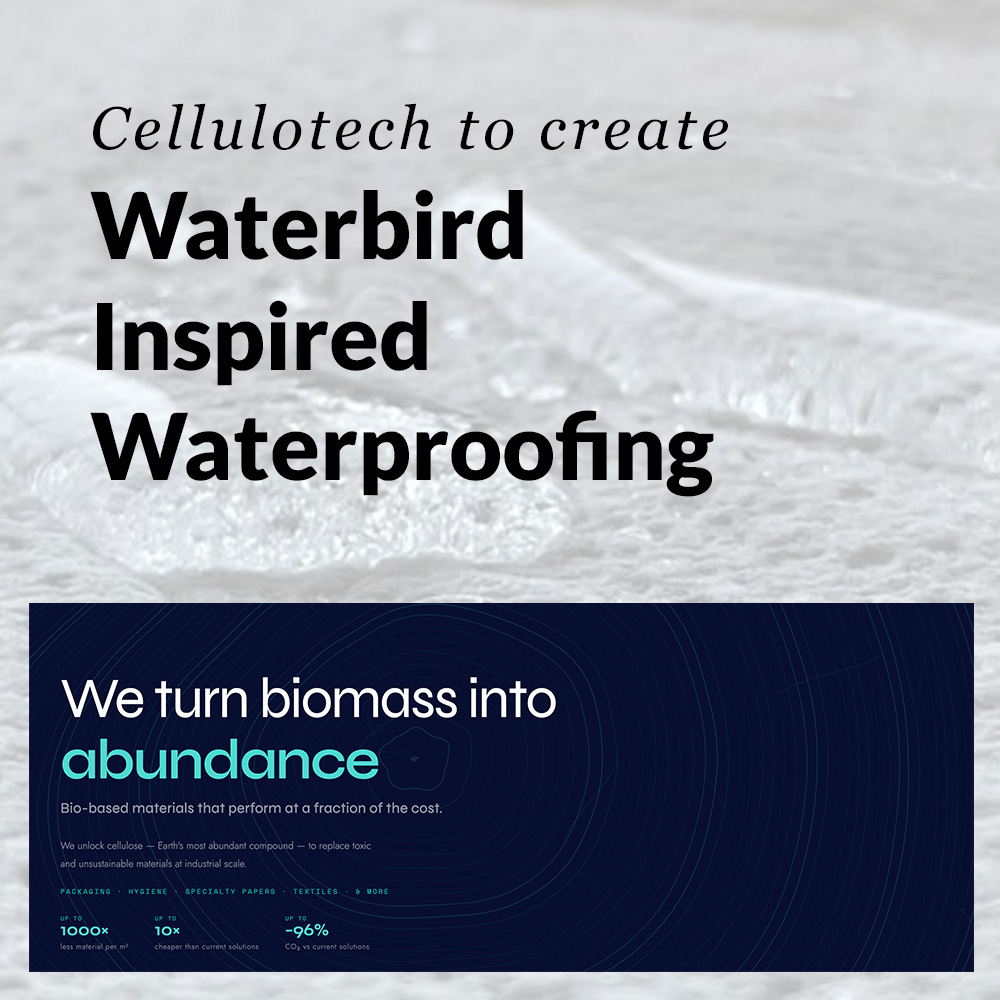
Human application for Eco-Friendly Waterproofing for Paper Products
Materials

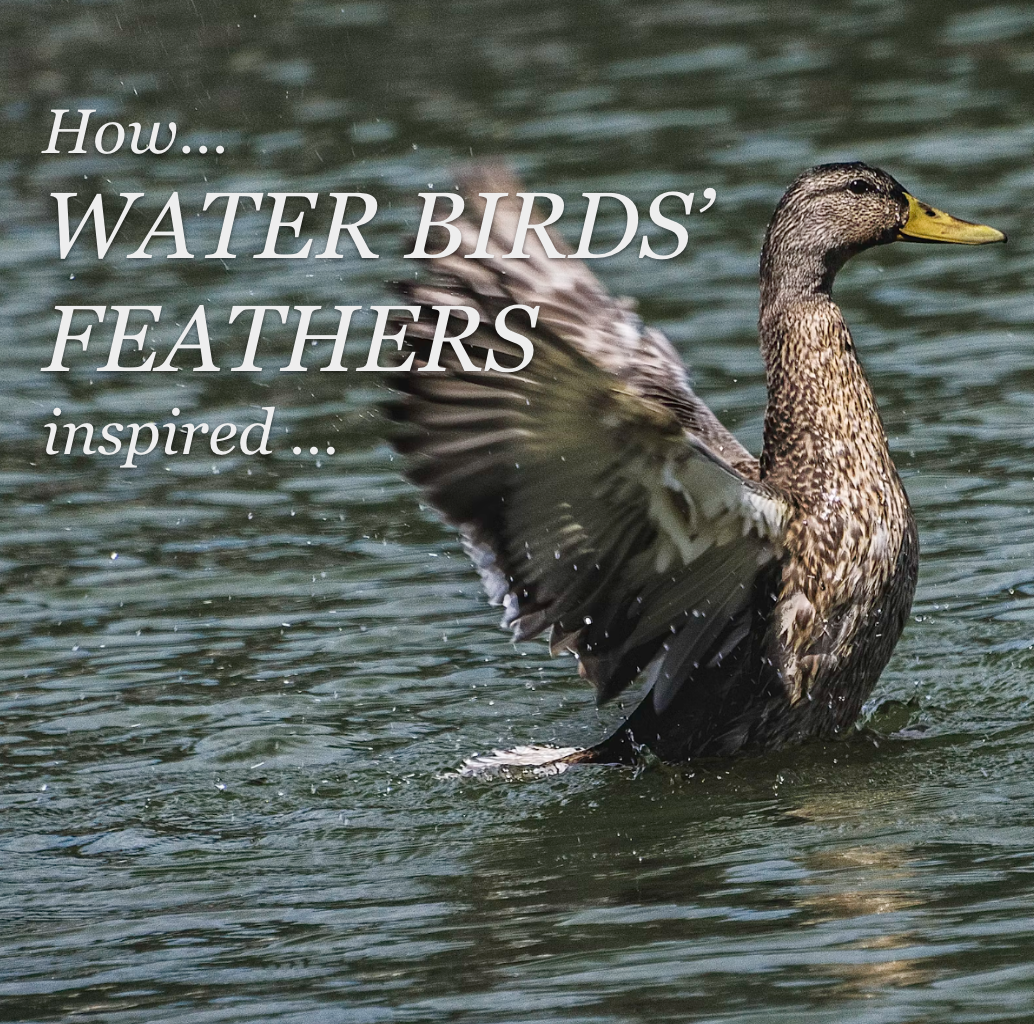
Waterbirds (uropygial gland preen oil)

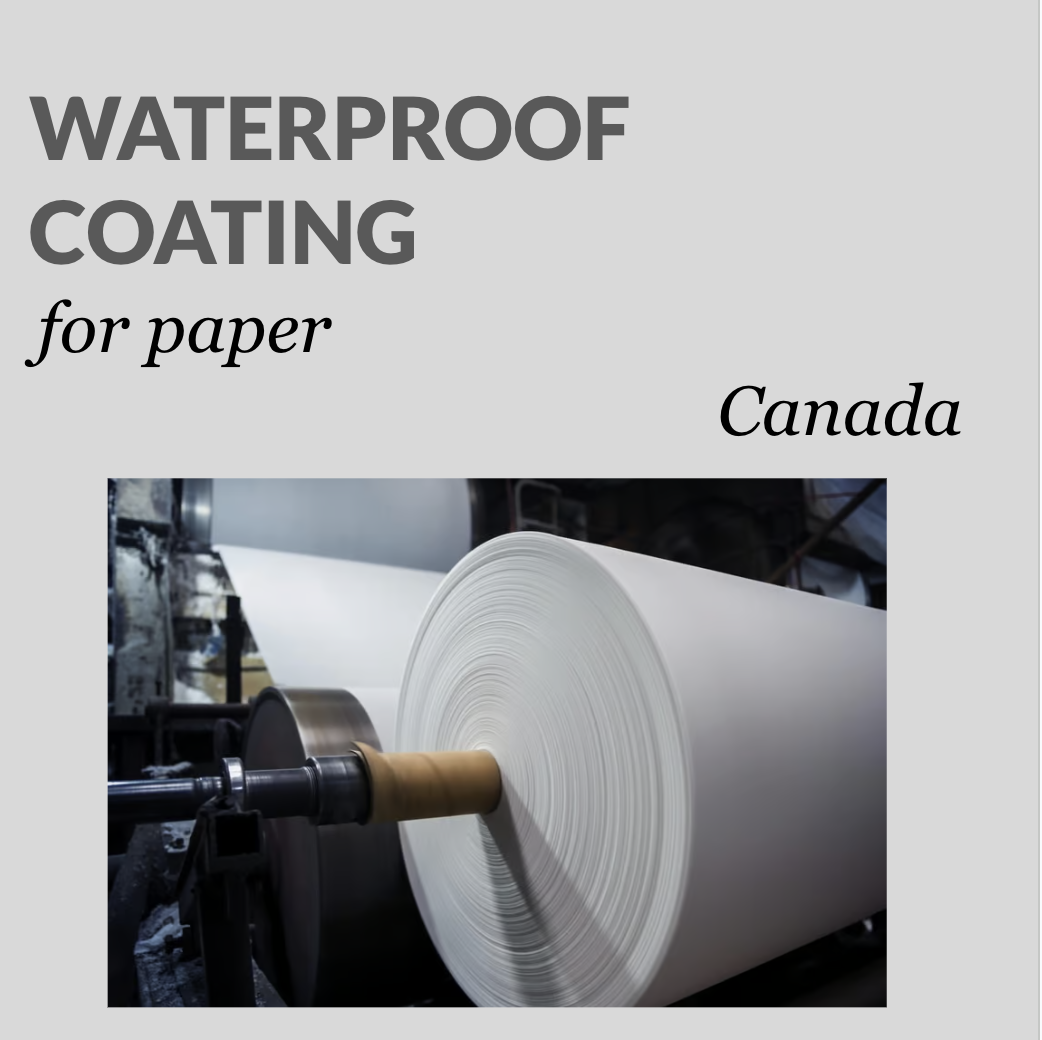
Eco-Friendly Waterproofing for Paper Products

Cellulotech's chromatogeny process mimics waterbird preen oil by grafting nanoscale fatty acid molecules onto cellulose fibres, making paper and cardboard superhydrophobic while preserving full recyclability and biodegradability.

  • ✿Inspired by: Waterbirds (uropygial gland preen oil)
  • ⚡︎Function: Paper and cardboard must repel water and grease to be useful in packaging, yet conventional waterproofing coatings destroy the recyclabil...
  • ▣Company: Cellulotech
  • ◉Where: Vancouver, Canada
See full biomimicry example
Biological inspiration for SLIPS: Slippery Liquid-Infused Porous Surfaces
Human application for SLIPS: Slippery Liquid-Infused Porous Surfaces
Materials

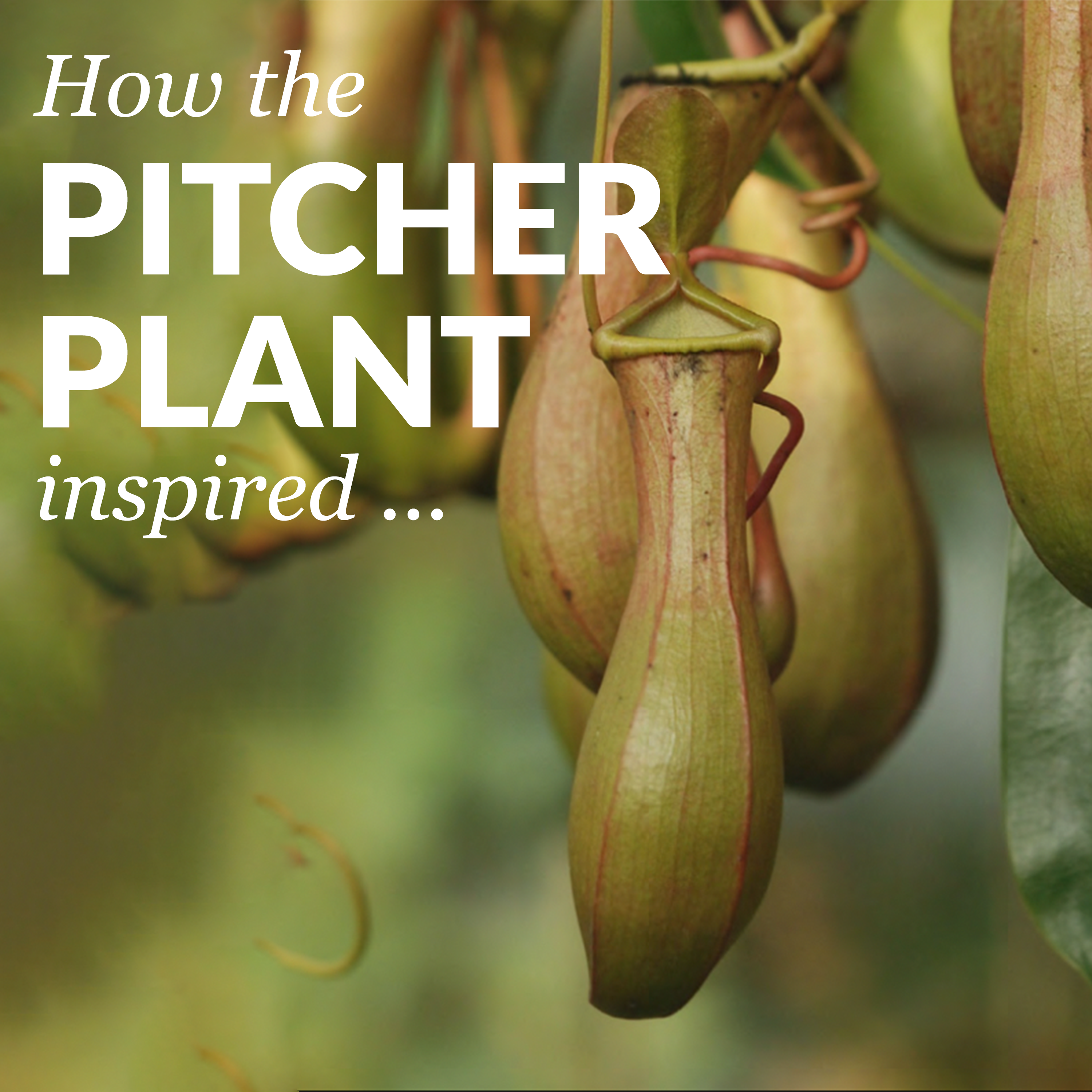
Pitcher plant (Nepenthes sp.)

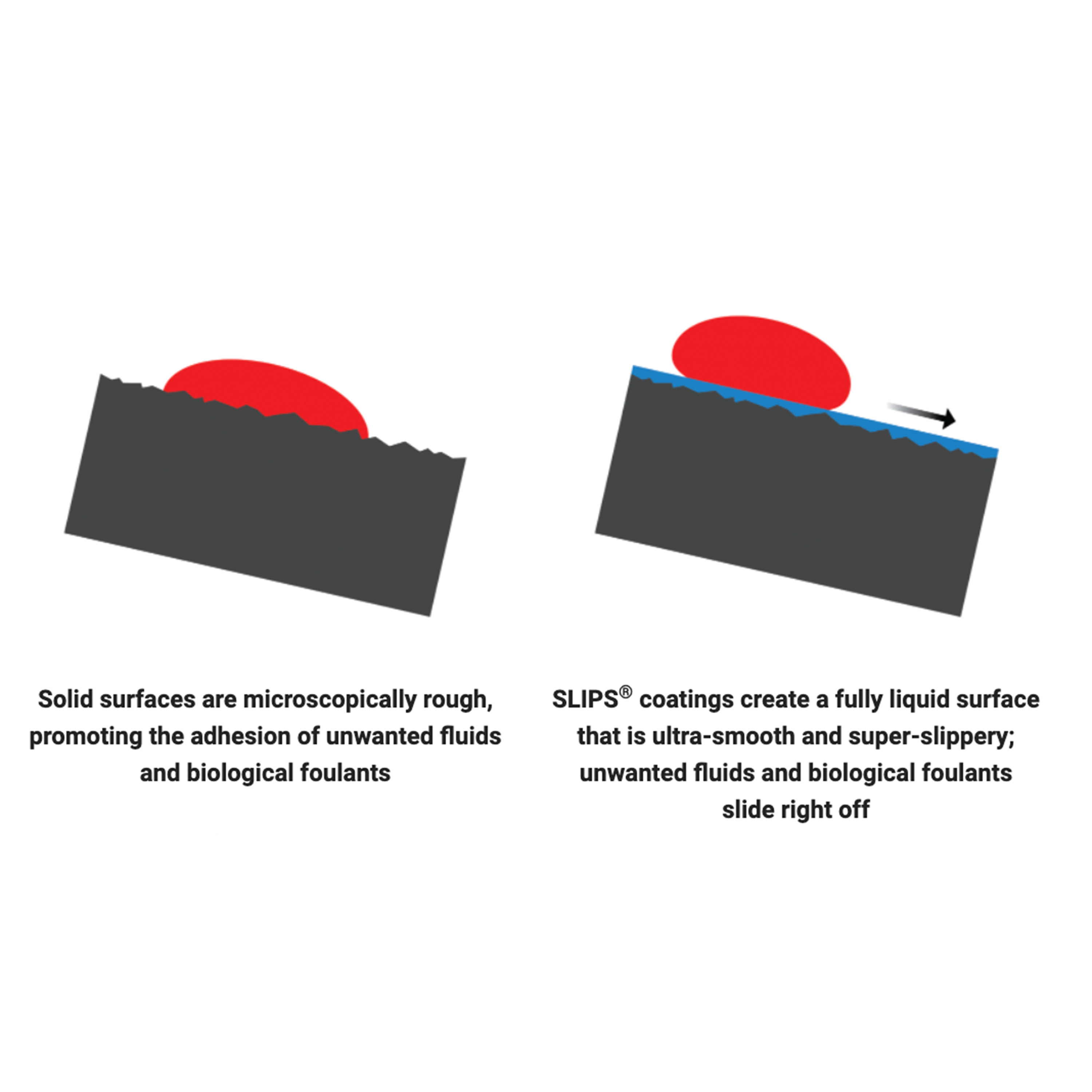
SLIPS: Slippery Liquid-Infused Porous Surfaces

Adaptive Surface Technologies developed SLIPS (Slippery Liquid-Infused Porous Surfaces) inspired by pitcher plant slip properties. These surfaces are extremely slippery, self-healing, and prevent adhesion of virtually any material without fouling or degradation.

  • ✿Inspired by: Pitcher plant (Nepenthes sp.)
  • ⚡︎Function: Slippery surface coating that prevents adhesion
  • ▣Company: Adaptive Surface Technologies, Harvard University
  • ◉Where: Massachusetts, USA
See full biomimicry example
Biological inspiration for Spider Silk: Stronger Than Steel
Human application for Spider Silk: Stronger Than Steel
Materials

Golden silk orb-weaver spider (Nephila clavipes)

Spider Silk: Stronger Than Steel

Spider silk is five times stronger than steel by weight, more elastic than nylon, and biodegradable — yet spiders have never been farmed like silkworms. Bolt Threads and other companies have now synthesised spider silk proteins using yeast fermentation to create the world's highest-performance natural material.

  • ✿Inspired by: Golden silk orb-weaver spider (Nephila clavipes)
  • ⚡︎Function: Produce ultra-strong, elastic, tough structural fibres at ambient conditions
  • ▣Company: Bolt Threads / Spiber / Utah State University
  • ◉Where: USA
See full biomimicry example
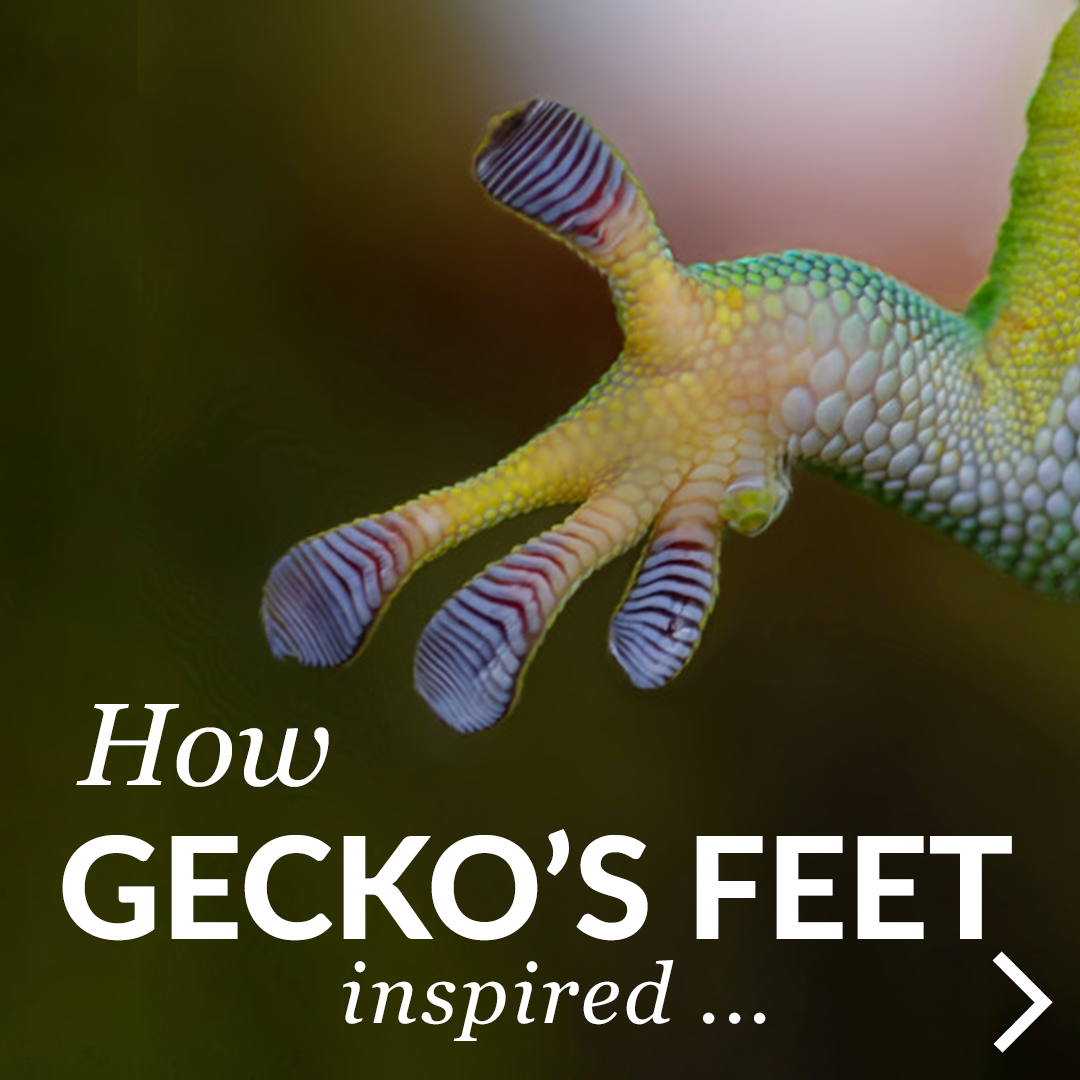
Biological inspiration for Gecko-Inspired Dry Adhesive: Van der Waals Forces
Human application for Gecko-Inspired Dry Adhesive: Van der Waals Forces
Materials

Tokay gecko (Gekko gecko)

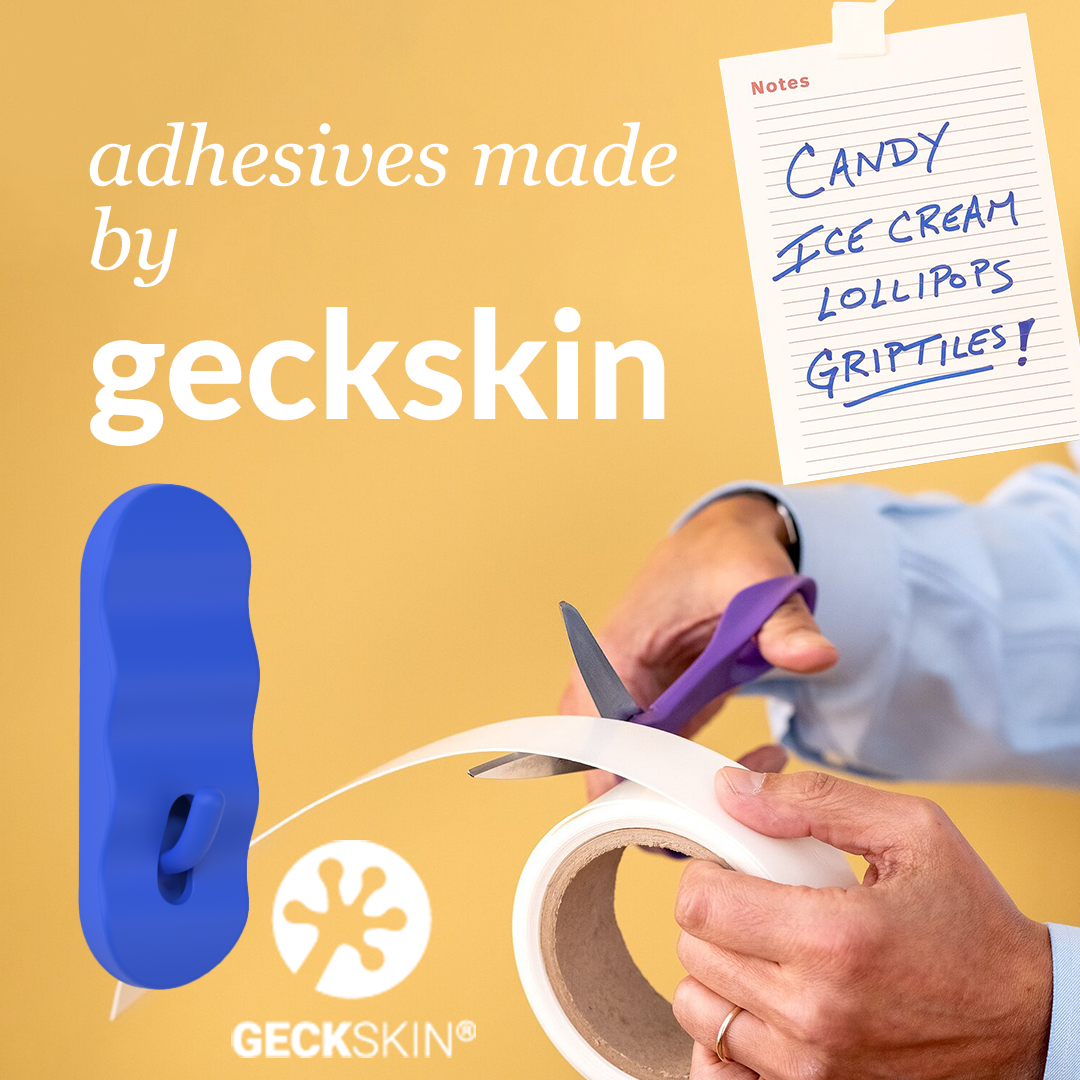
Gecko-Inspired Dry Adhesive: Van der Waals Forces

Gecko feet can attach and detach from almost any surface instantly, without glue or suction, simply using van der Waals molecular forces created by millions of tiny hair-like structures. This has inspired reusable dry adhesives now used in robotics, medical devices, and space applications.

  • ✿Inspired by: Tokay gecko (Gekko gecko)
  • ⚡︎Function: Adhesion through van der Waals intermolecular forces
  • ▣Company: Geckskin
  • ◉Where: USA
See full biomimicry example
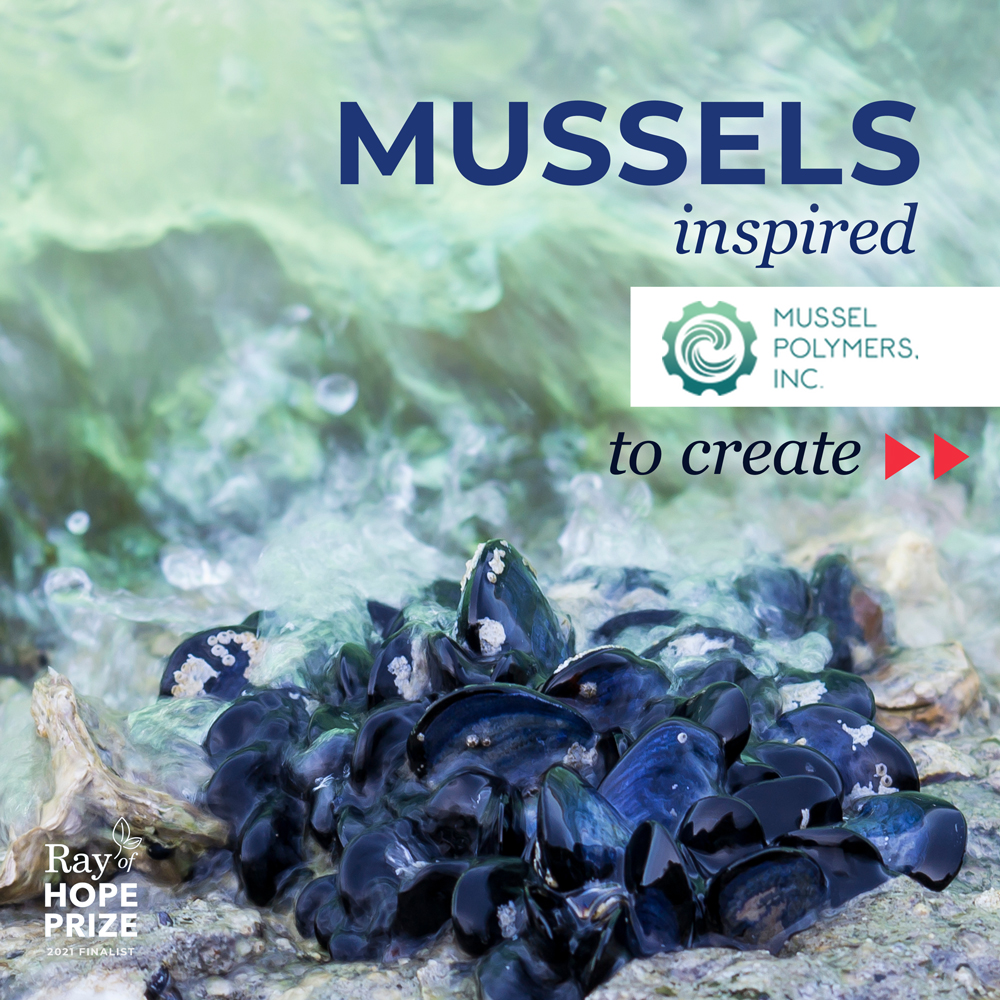
Biological inspiration for Mussel Adhesive Proteins: Underwater Bonding
Human application for Mussel Adhesive Proteins: Underwater Bonding
Materials

Blue mussel (Mytilus edulis)

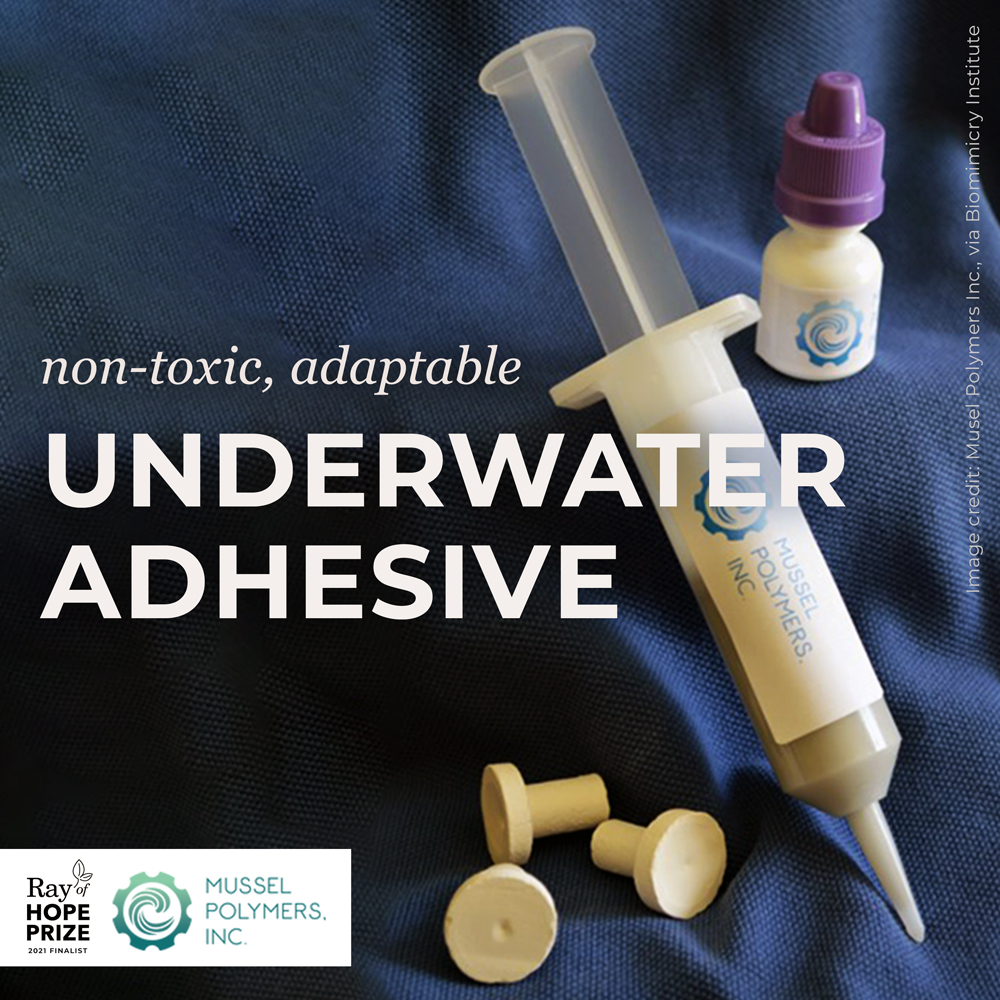
Mussel Adhesive Proteins: Underwater Bonding

Mussels attach themselves to wet, wave-battered rocks using protein threads that bond to virtually any surface underwater — something no synthetic adhesive has ever matched. Scientists have now synthesised the key molecule (DOPA) to create biomedical glues that work inside the body.

  • ✿Inspired by: Blue mussel (Mytilus edulis)
  • ⚡︎Function: Mimics mussel protein adhesion for underwater bonding.
  • ▣Company: Mussel Polymers Inc
  • ◉Where: Netherlands
See full biomimicry example
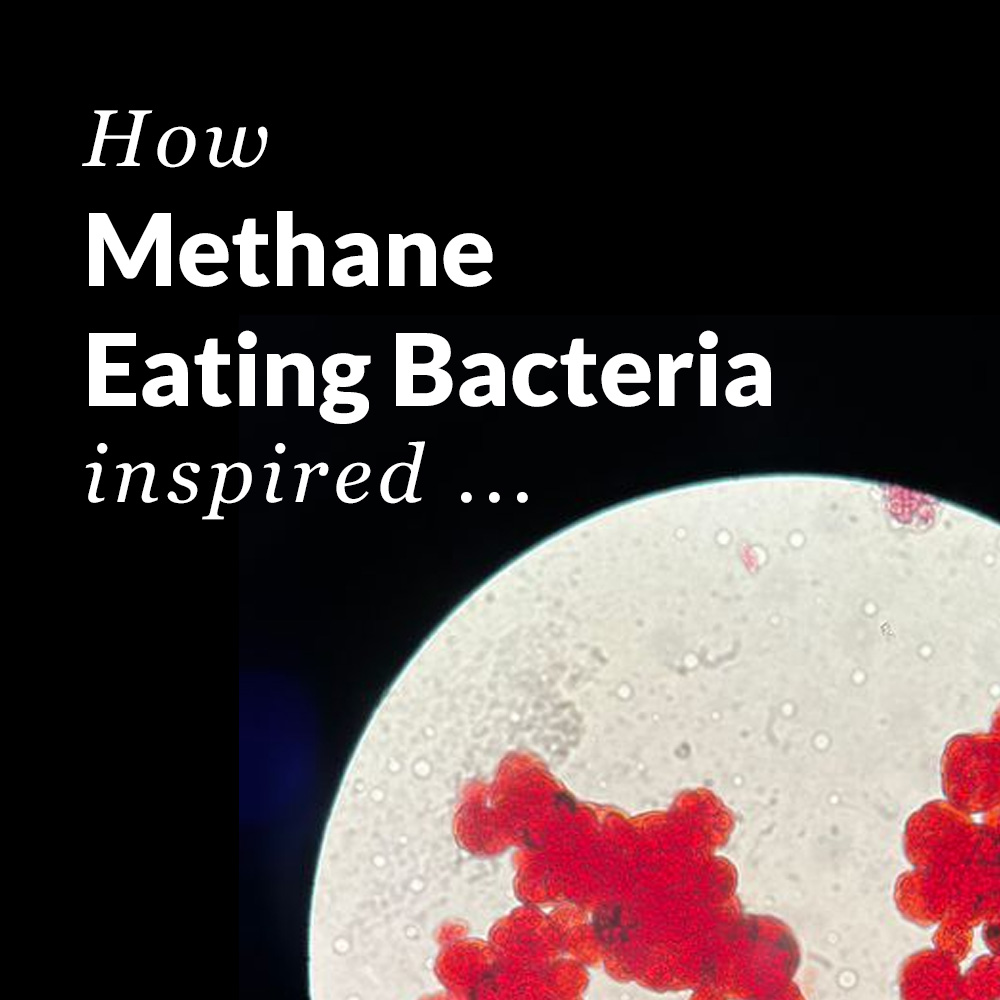
Biological inspiration for Newlight AirCarbon - Methanogen-Based Bioplastic
Human application for Newlight AirCarbon - Methanogen-Based Bioplastic
Materials

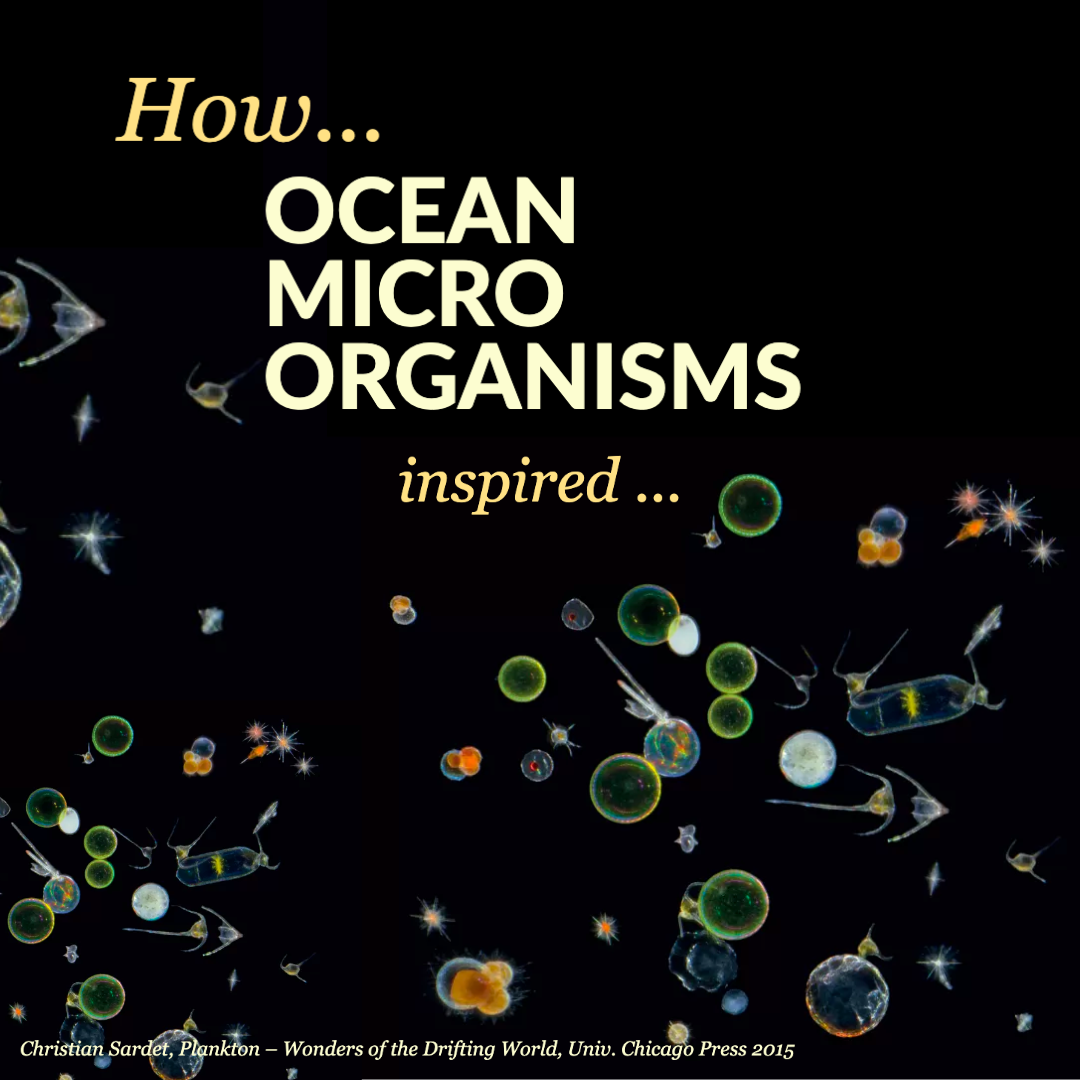
Methanotrophic bacteria (methane-oxidising microorganisms)

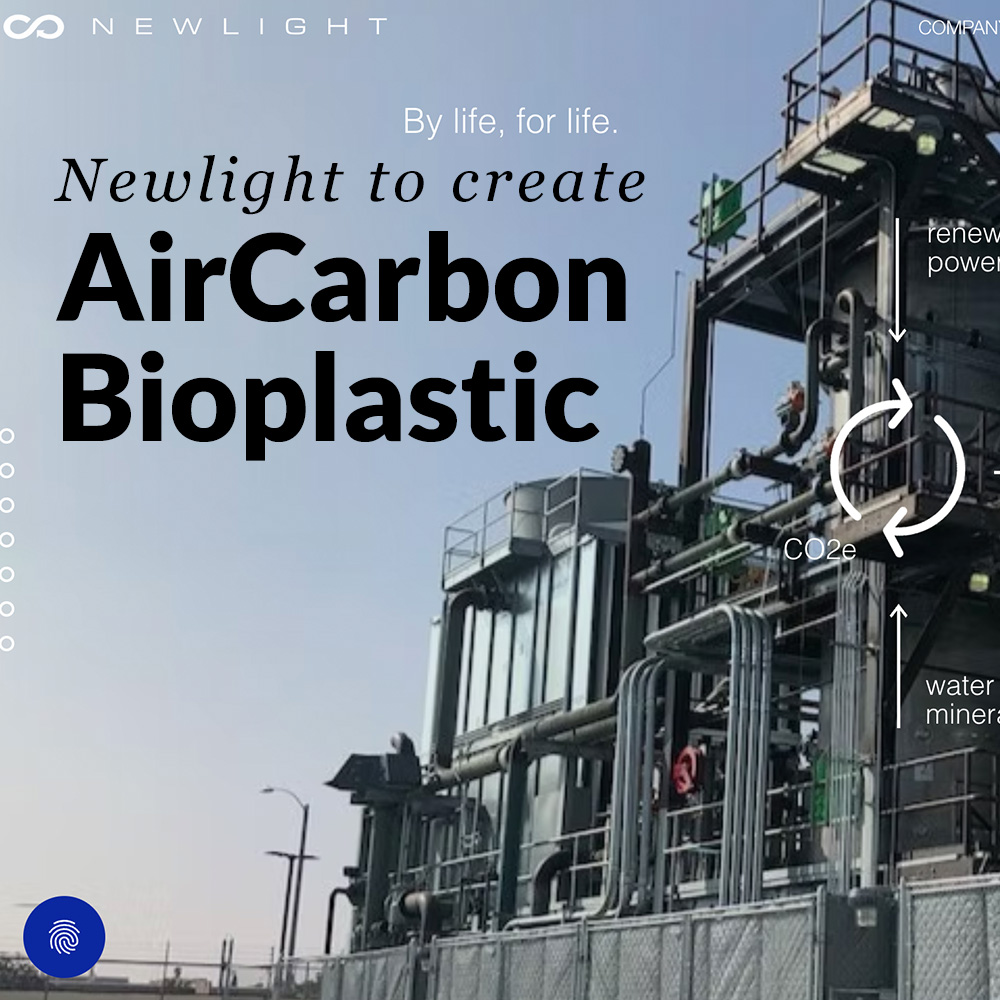
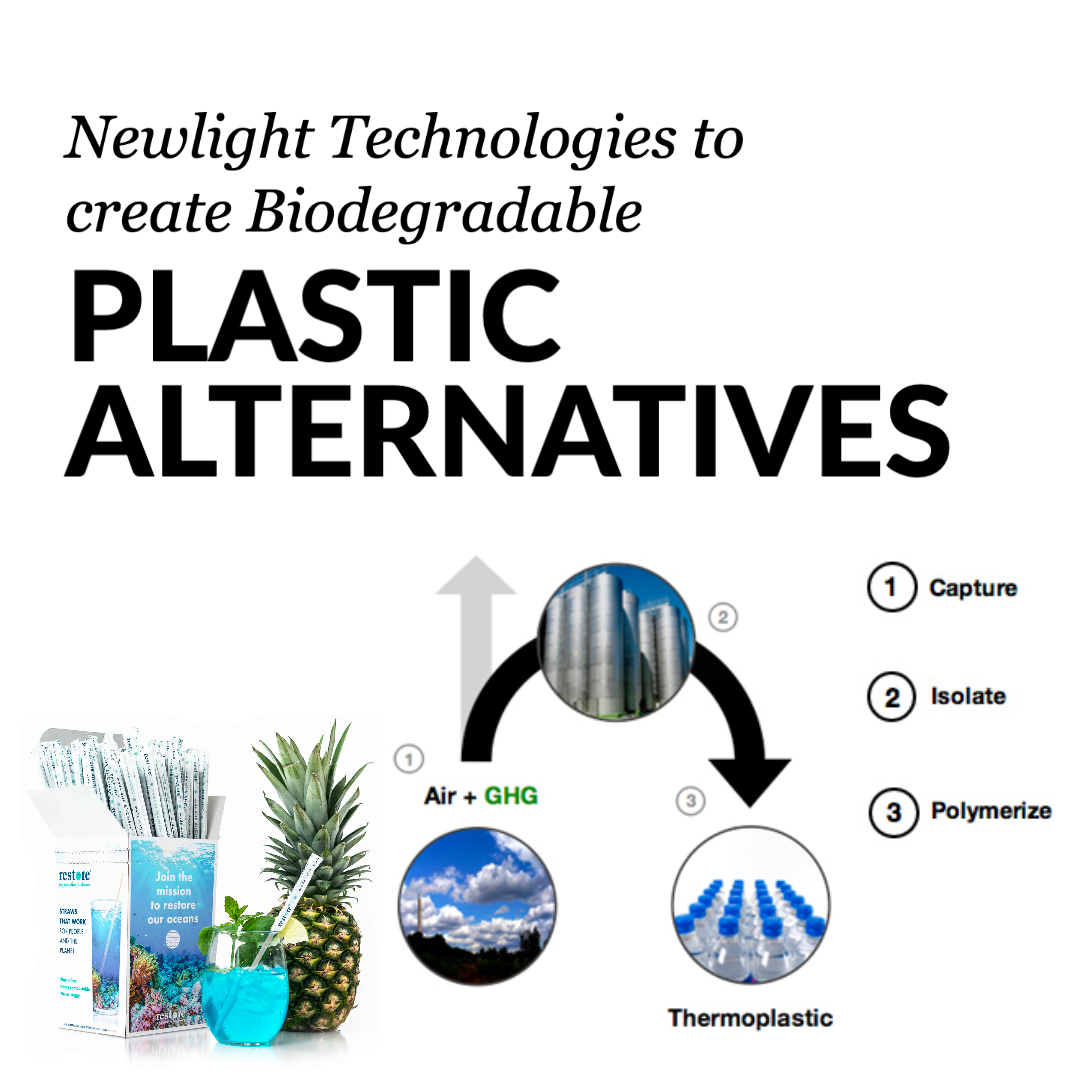
Newlight AirCarbon - Methanogen-Based Bioplastic

Methanotrophic bacteria inspire carbon-negative bioplastic from greenhouse gases, converting methane to polyhydroxyalkanoate polymer.

  • ✿Inspired by: Methanotrophic bacteria (methane-oxidising microorganisms)
  • ⚡︎Function: Methanotrophic bacteria must derive both energy and carbon from methane, a single-carbon molecule at high oxidation state. They overcome...
  • ▣Company: Newlight Technologies
  • ◉Where: California, USA
See full biomimicry example
Biological inspiration for AirLoom™ Hides: Fungal Mycelium Grown into Leather
Human application for AirLoom™ Hides: Fungal Mycelium Grown into Leather
Materials

Fungal mycelium (Ganoderma species and related fungi)

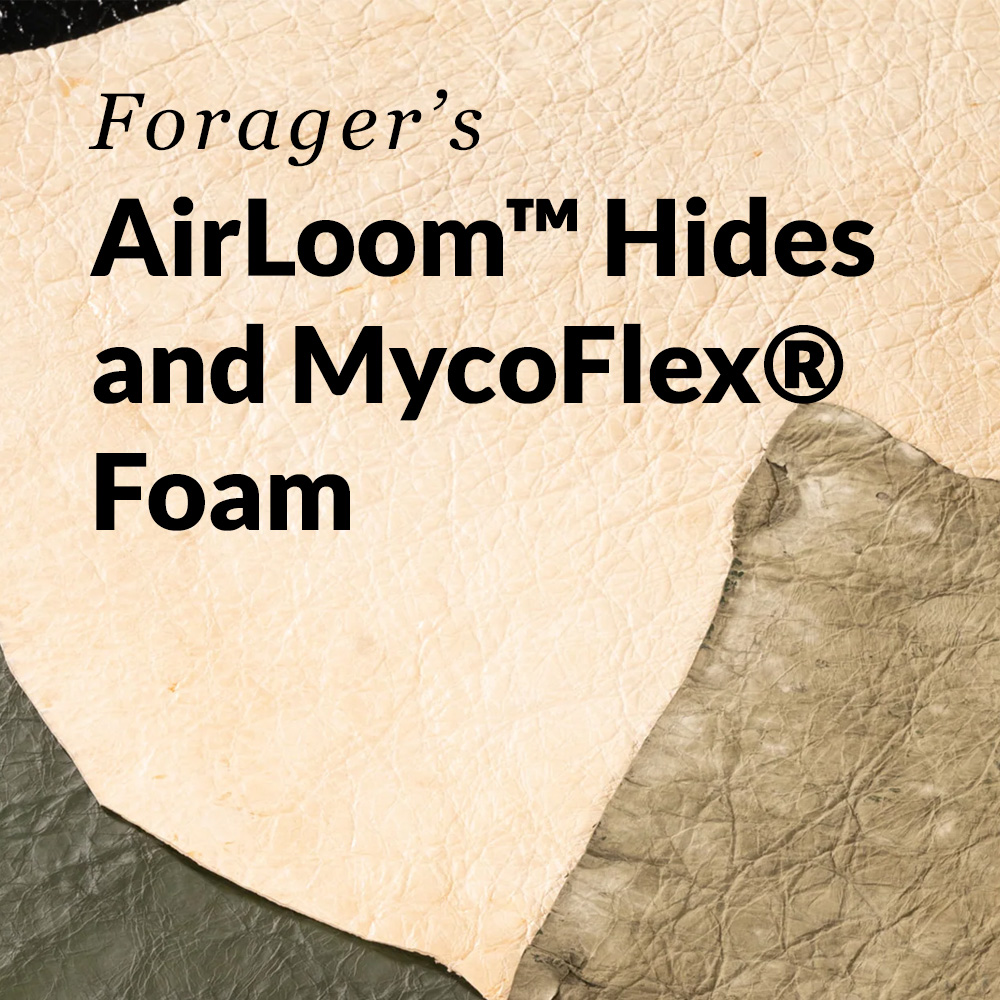
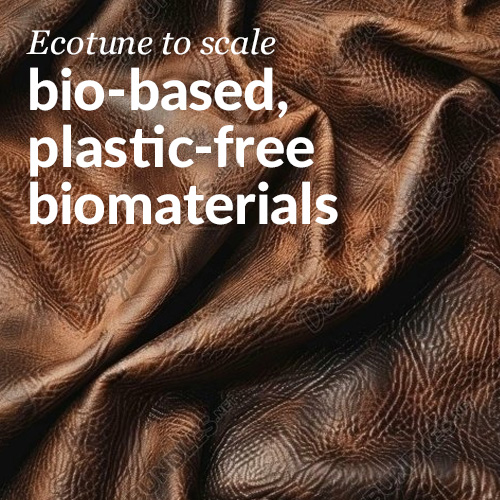
AirLoom™ Hides: Fungal Mycelium Grown into Leather

AirLoom™ Hides from Forager (by Ecovative) grow sheets of pure fungal mycelium on agricultural waste into a durable, fully compostable leather alternative. The hides preserve the natural fibrous architecture of mycelium without grinding or binding — matching animal leather in tear resistance and available in custom colours, textures, and thicknesses from 0.4 to 1.3 mm for fashion, accessories, and footwear.

  • ✿Inspired by: Fungal mycelium (Ganoderma species and related fungi)
  • ▣Company: Forager by Ecovative
See full biomimicry example
Biological inspiration for Bioplastics from Plant-Derived Sources
Human application for Bioplastics from Plant-Derived Sources
Materials

Plant leaves, citrus peel, rubisco enzyme

Bioplastics from Plant-Derived Sources

Development of biodegradable bioplastics using plant-based materials and enzymatic processes inspired by natural photosynthesis and plant metabolism.

  • ✿Inspired by: Plant leaves, citrus peel, rubisco enzyme
  • ⚡︎Function: Create durable yet biodegradable polymers using renewable plant-based sources and efficient enzymatic processes
  • ▣Company: Novomer (and related biotechnology firms)
  • ◉Where: Netherlands
See full biomimicry example
Biological inspiration for MycoFlex® Foam: Mycelium-Grown Alternative to Synthetic Foam
Human application for MycoFlex® Foam: Mycelium-Grown Alternative to Synthetic Foam
Materials

Fungal mycelium (Ganoderma species and related fungi)

MycoFlex® Foam: Mycelium-Grown Alternative to Synthetic Foam

MycoFlex® Foam from Forager (by Ecovative) is a 100% biobased foam grown from pure mycelium on agricultural waste in just 7 to 9 days. The foam is antimicrobial, thermally insulating, flame resistant, and aerobically compostable — delivering a sustainable alternative to petroleum-derived foams across footwear, upholstery, and accessories.

  • ✿Inspired by: Fungal mycelium (Ganoderma species and related fungi)
  • ▣Company: Forager by Ecovative
See full biomimicry example
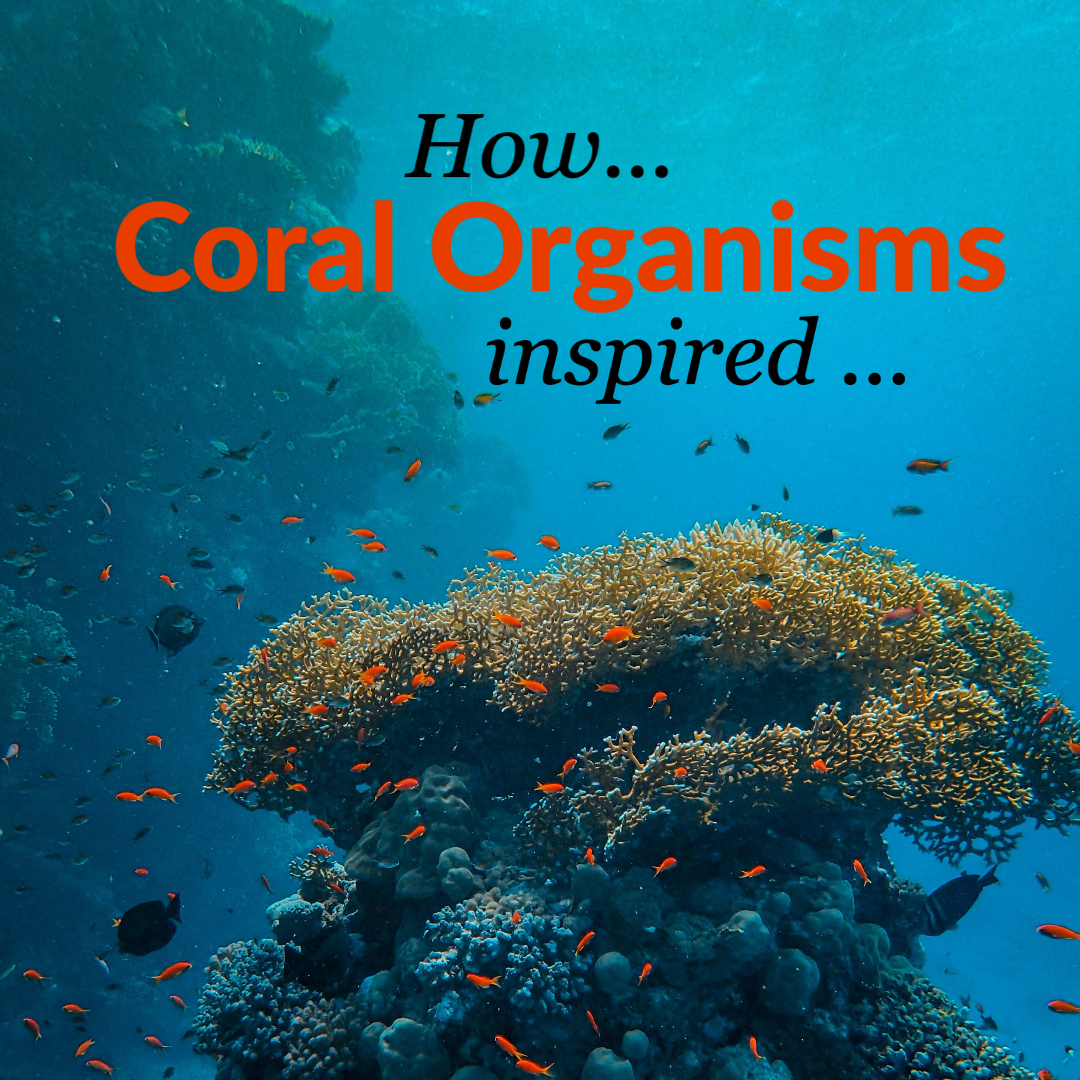
Biological inspiration for Hard Corals: CO2 Sequestering Concrete Aggregates
Human application for Hard Corals: CO2 Sequestering Concrete Aggregates
Materials

Hard corals (Scleractinia order)

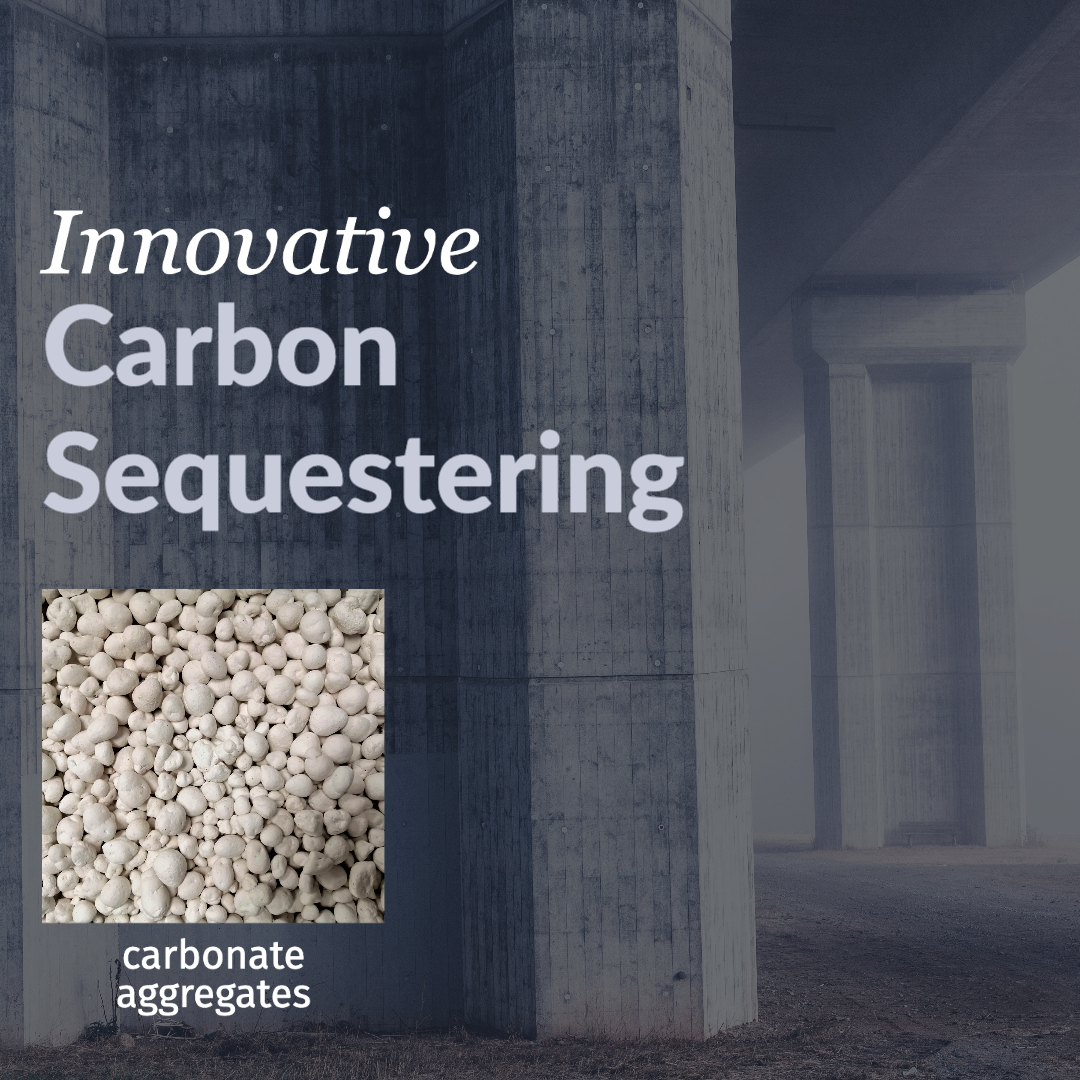
Hard Corals: CO2 Sequestering Concrete Aggregates

Blue Planet developed concrete aggregates using CO2-sequestering minerals inspired by coral calcium carbonate structures. These aggregates lock CO2 into concrete, reducing emissions while improving building material sustainability.

  • ✿Inspired by: Hard corals (Scleractinia order)
  • ⚡︎Function: CO2 capture and sequestration in building materials
  • ▣Company: Blue Planet
  • ◉Where: USA
See full biomimicry example
Biological inspiration for Shark Skin Anti-Fouling: Hospital Surfaces
Human application for Shark Skin Anti-Fouling: Hospital Surfaces
Materials

Shortfin mako shark (Isurus oxyrinchus)

Shark Skin Anti-Fouling: Hospital Surfaces

Shark skin is covered in microscopic tooth-like scales called denticles that create a riblet surface — this texture physically prevents bacteria from attaching, without any chemical biocides. Sharklet Technologies has commercialised this as the world's first physical (not chemical) anti-bacterial surface for hospital use.

  • ✿Inspired by: Shortfin mako shark (Isurus oxyrinchus)
  • ⚡︎Function: Mechanical inhibition of microbial adhesion
  • ▣Company: Sharklet Technologies Inc.
  • ◉Where: USA
See full biomimicry example
Biological inspiration for Spider Silk: High-Performance Textiles
Human application for Spider Silk: High-Performance Textiles
Materials

Spider (Araneae order), specifically orb-weaver spiders

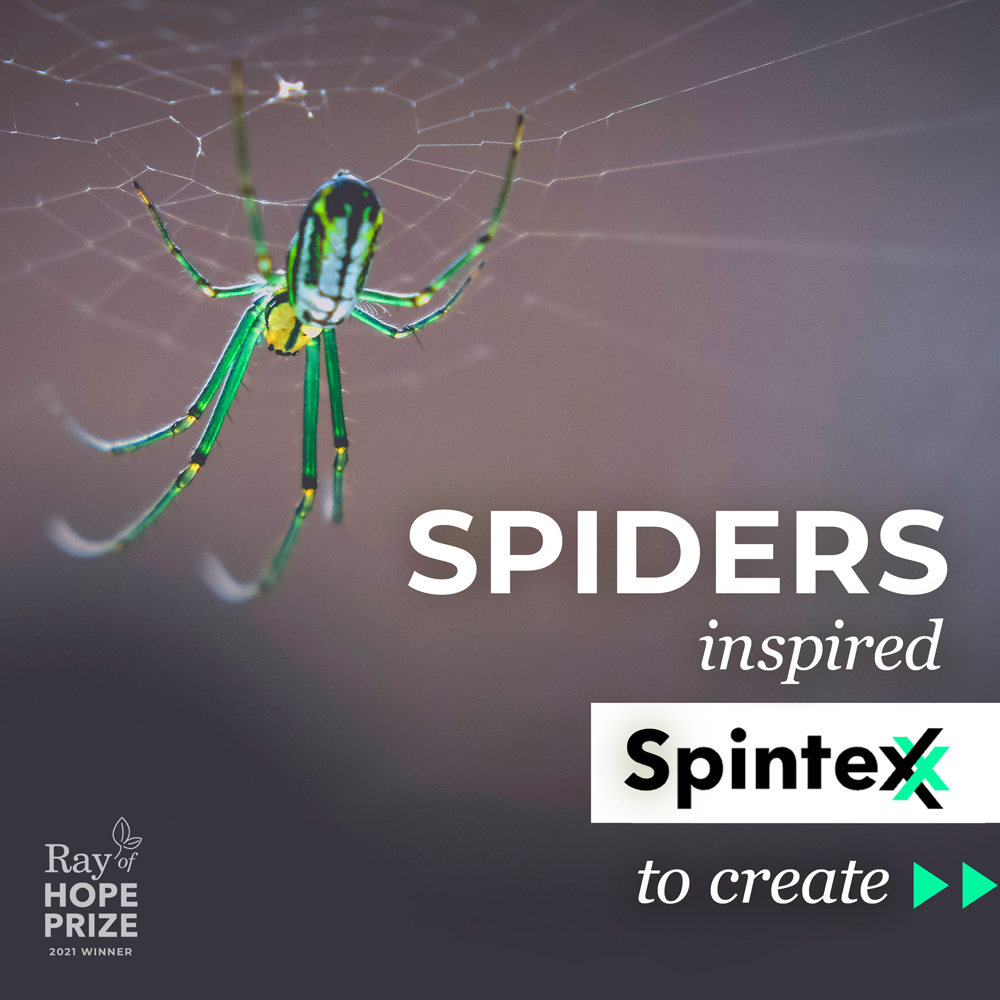
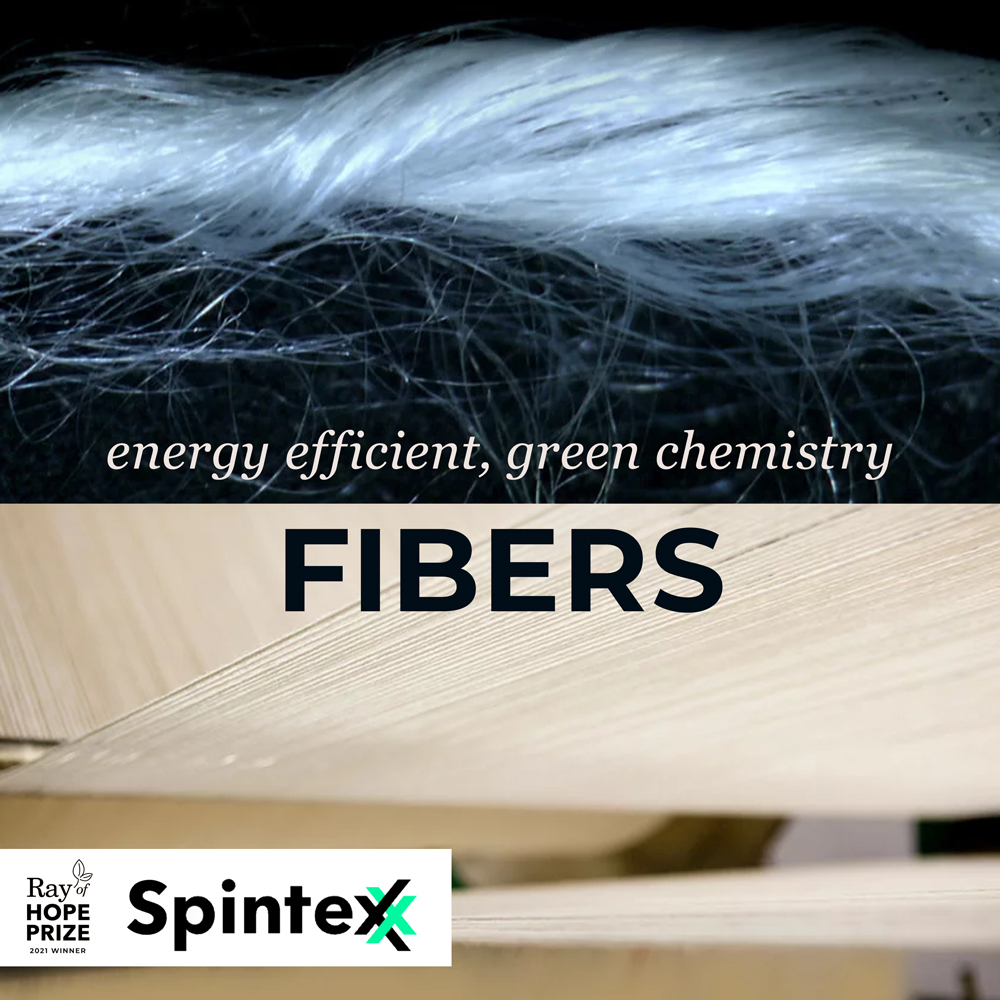
Spider Silk: High-Performance Textiles

Spintex Engineering and biotech companies develop synthetic spider silk fibers for textiles. Spider silk is stronger than steel of equivalent weight and can absorb significant impact energy, making it ideal for high-performance applications.

  • ✿Inspired by: Spider (Araneae order), specifically orb-weaver spiders
  • ⚡︎Function: High-strength, high-elasticity fiber production
  • ▣Company: Spintex Engineering, Bolt Threads, AMSilk
  • ◉Where: USA
See full biomimicry example
Biological inspiration for Abalone Shell: Toughest Natural Ceramic
Human application for Abalone Shell: Toughest Natural Ceramic
Materials

Red abalone (Haliotis rufescens)

Abalone Shell: Toughest Natural Ceramic

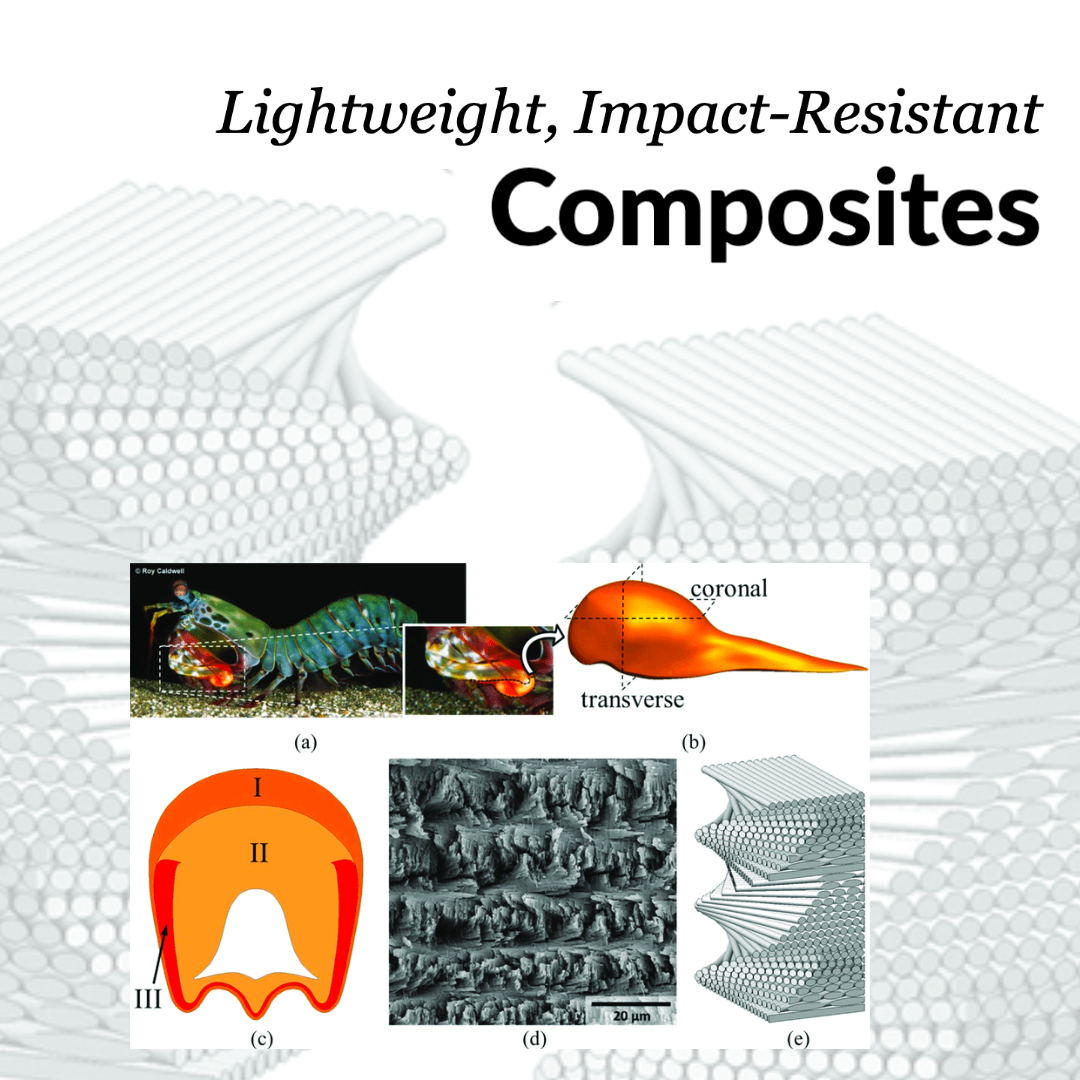
Abalone shell (nacre) is made of 95% calcium carbonate — chalk — yet is 3,000 times tougher than chalk. The secret is a microscopic "brick-and-mortar" architecture that deflects and dissipates cracks. This has inspired bulletproof glass, ceramic armour, and self-healing materials.

  • ✿Inspired by: Red abalone (Haliotis rufescens)
  • ⚡︎Function: Create extremely tough structural material from inherently brittle components
  • ▣Company: MIT / General Electric
  • ◉Where: USA
See full biomimicry example
Biological inspiration for Azul Energy - Hemoglobin-Inspired Metal-Free Catalysts
Human application for Azul Energy - Hemoglobin-Inspired Metal-Free Catalysts
Materials

Hemoglobin and iron-binding proteins

Azul Energy - Hemoglobin-Inspired Metal-Free Catalysts

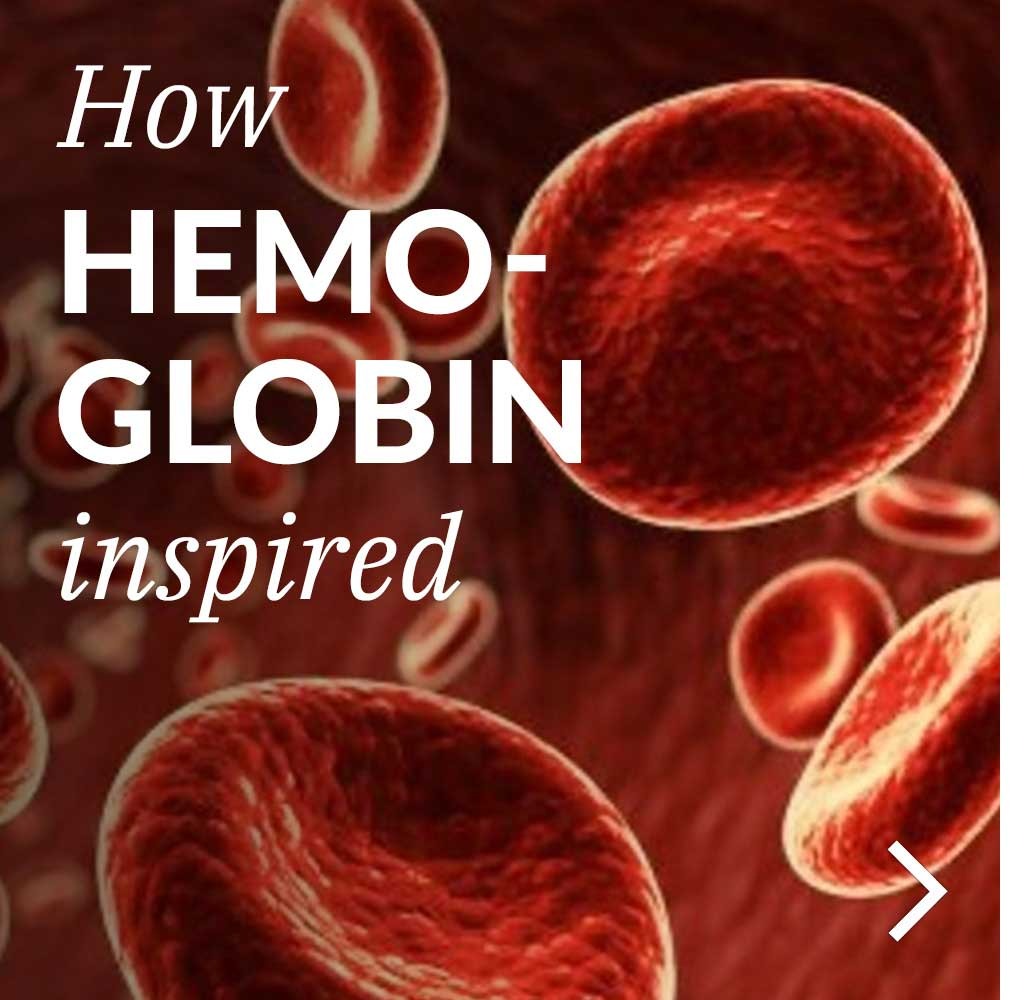
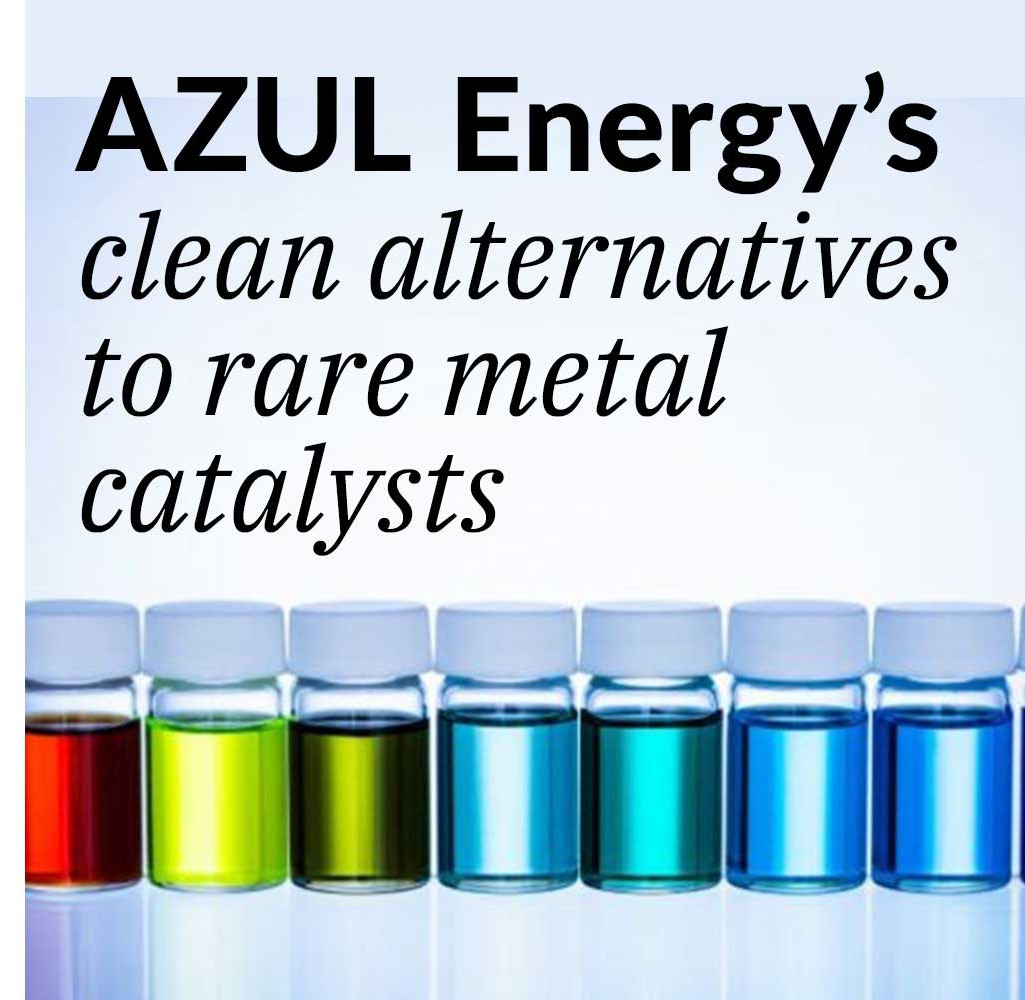
Hemoglobin's oxygen-binding mechanism inspires metal-free catalysts for energy storage, replacing rare-earth elements.

  • ✿Inspired by: Hemoglobin and iron-binding proteins
  • ⚡︎Function: Oxygen transport proteins must bind oxygen reversibly, many times per second, without catalyst poisoning or structural degradation. Hemog...
  • ▣Company: Azul Energy
  • ◉Where: USA
See full biomimicry example
Biological inspiration for Werewool - Coral Fluorescent Proteins in Biodegradable Dyes
Human application for Werewool - Coral Fluorescent Proteins in Biodegradable Dyes
Materials

Scleractinian coral fluorescent proteins

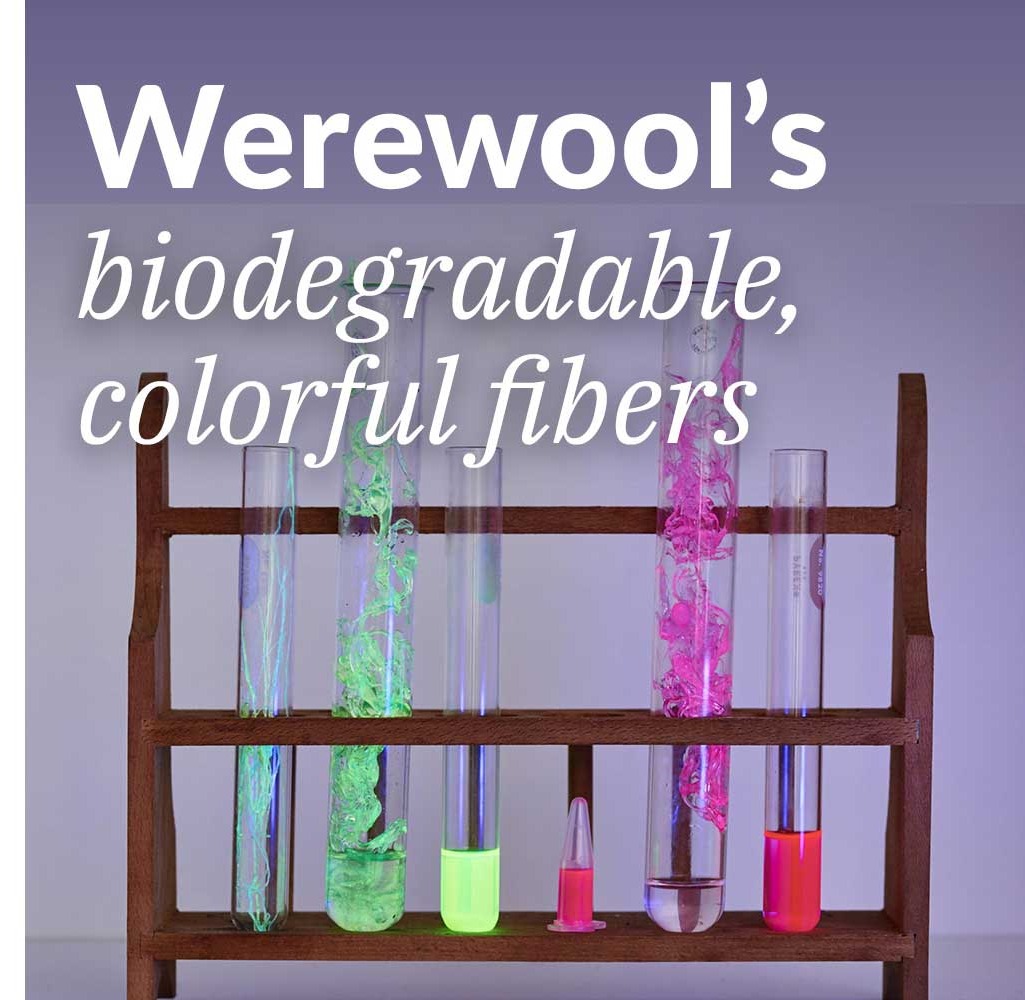
Werewool - Coral Fluorescent Proteins in Biodegradable Dyes

Coral fluorescent proteins inspire biodegradable, vibrant coloured fibres without synthetic dyes, eliminating textile industry's water pollution.

  • ✿Inspired by: Scleractinian coral fluorescent proteins
  • ⚡︎Function: Corals must protect delicate photosynthetic partners from excess light whilst creating vibrant colours for mate attraction and species re...
  • ▣Company: Werewool
  • ◉Where: USA
See full biomimicry example
Materials

Earth and clay composition used by humans historically

Adobe Materials: Building Techniques and Sustainability

Traditional adobe building materials and techniques providing thermal mass, breathability, and sustainability for climate-responsive architecture.

  • ✿Inspired by: Earth and clay composition used by humans historically
  • ⚡︎Function: Uses earth materials and thermal principles for sustainable building.
  • ▣Company: Mapungubwe Interpretive Centre
  • ◉Where: USA
See full biomimicry example

For R&D and product teams

Find the problems worth solving in your own products