Materials
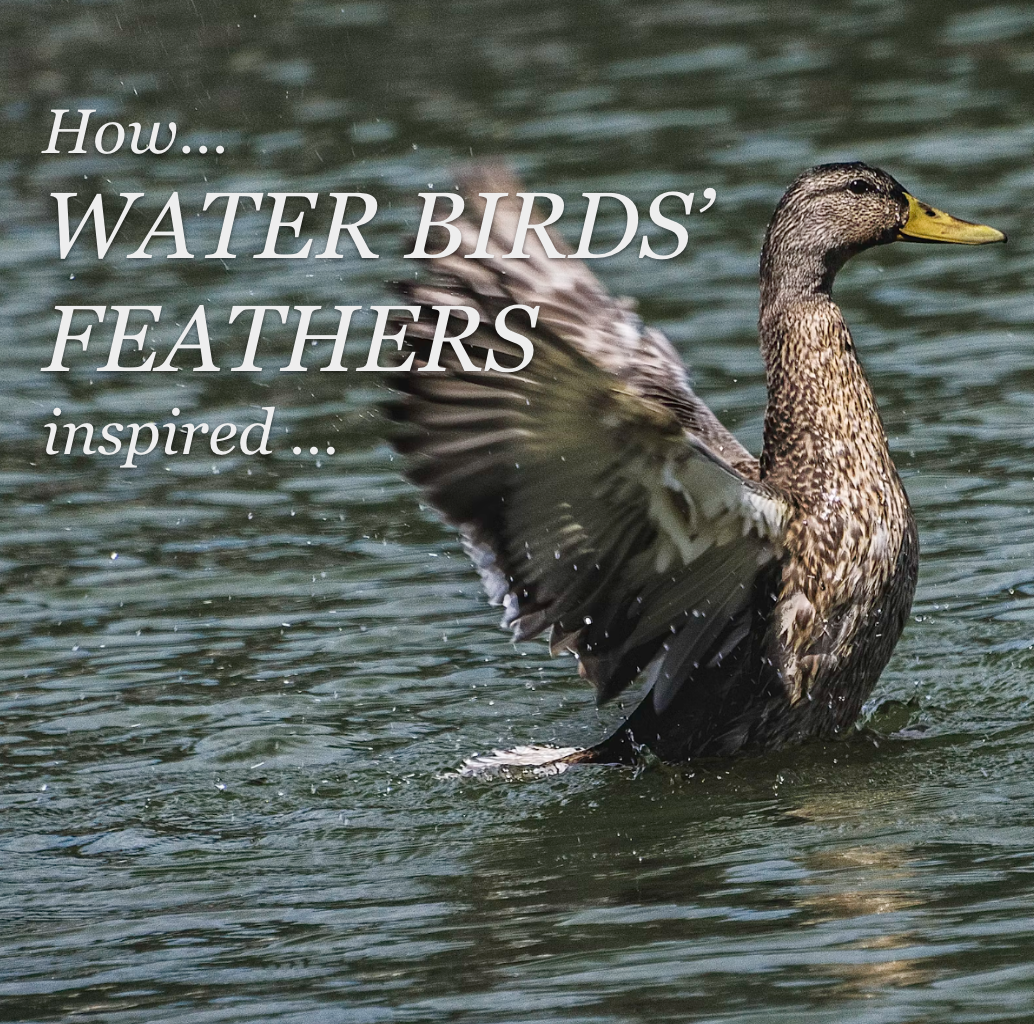
Waterbirds (uropygial gland preen oil), the natural model for Eco-Friendly Waterproofing for Paper Products
Eco-Friendly Waterproofing for Paper Products: the human application

Inspired by: Waterbirds (uropygial gland preen oil)

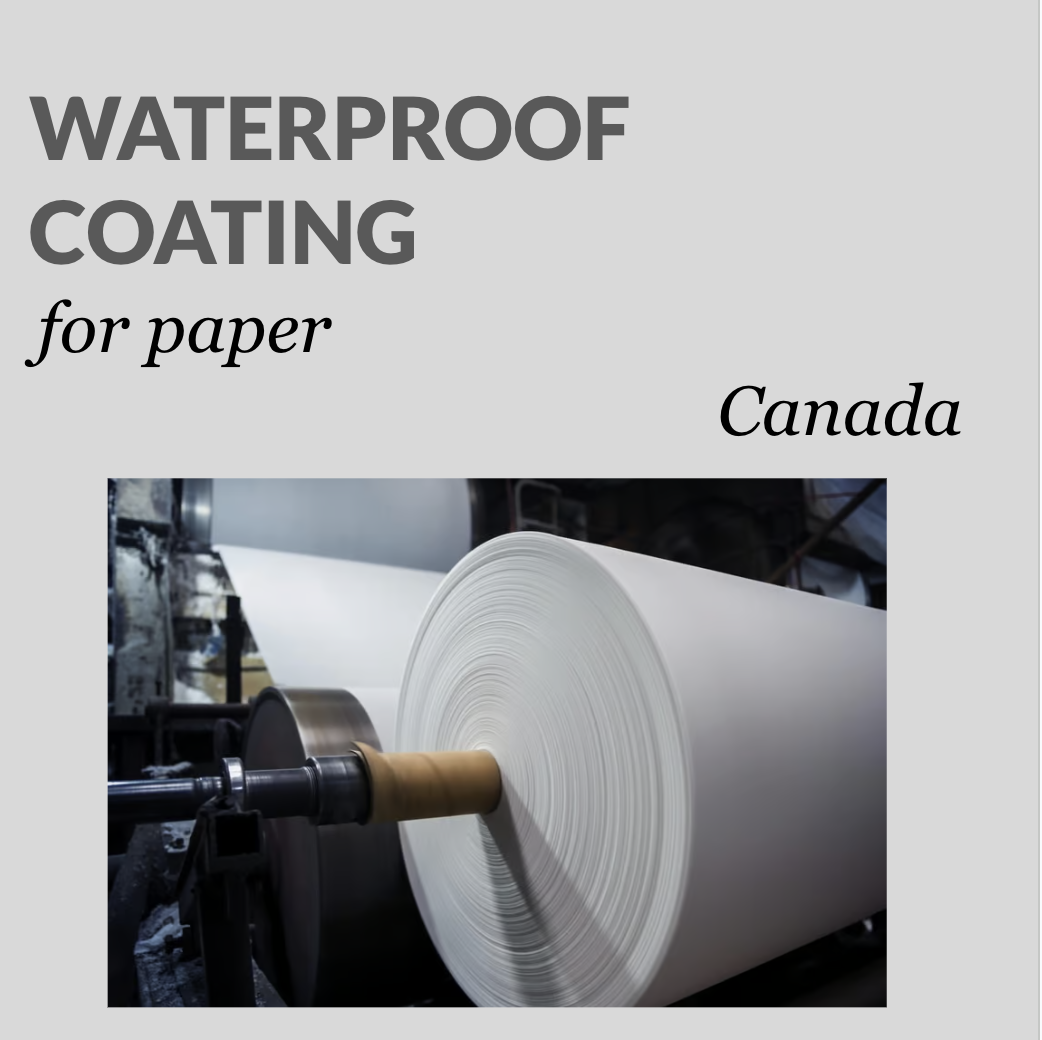
Eco-Friendly Waterproofing for Paper Products

Cellulotech

Waterbird preen oil

Nature Model

uropygial gland fatty acids

Up to 92%

CO₂ Reduction

vs plastic-coated paper

Milligrams per m²

Reagent Use

molecular grafting

The Problem

Paper and cardboard are far more biodegradable than plastic, yet they fail when exposed to water or grease. Traditional waterproof coatings add plastic layers (polyethylene, wax laminations) that destroy recyclability and persist in landfills, forcing a choice between functionality and sustainability.

Cellulotech's chromatogeny process mimics waterbird preen oil by grafting nanoscale fatty acid molecules onto cellulose fibres, making paper and cardboard superhydrophobic while preserving full recyclability and biodegradability.

Paper and cardboard packaging should be the sustainable default, yet their vulnerability to water and grease forces manufacturers to laminate them with polyethylene or wax—coatings that destroy recyclability and linger in landfills for centuries. Cellulotech, founded in Vancouver, tackled this paradox by studying how waterbirds keep their plumage waterproof. Birds secrete preen oil from the uropygial gland at the base of their tail and spread it across individual feathers during preening. This oil comprises fatty acids and wax esters that bond to the keratin structure of each barb and barbule, creating a molecular-scale hydrophobic shield without sealing the feather or blocking airflow. Cellulotech reverse-engineered this principle into chromatogeny (also called chromatografting): a solvent-free, dry-phase process that grafts one-nanometre-long fatty acid chains directly around cellulose fibres inside paper or cardboard. Because the reagent bonds at the molecular level—just a few milligrams per square metre—no physical layer is added, so the substrate remains breathable, repulpable, and fully recyclable through standard paper mills. The resulting material resists water, grease, oxygen, and vapour, opening applications in food packaging, construction materials, and medical products such as paper-based face masks. Cellulotech's process generates up to 92 % less CO₂ than conventional plastic-coated alternatives, proving that a biomimetic approach to surface chemistry can eliminate the false trade-off between performance and planet.
Biomimicry Breakdown

The Biomimicry Analysis

How Waterbirds (uropygial gland preen oil) translates into Eco-Friendly Waterproofing for Paper Products

Term
Applied to Eco-Friendly Waterproofing for Paper Products
Function
Paper and cardboard must repel water and grease to be useful in packaging, yet conventional waterproofing coatings destroy the recyclability and biodegradability that make cellulose attractive in the first place. Waterbirds face an analogous challenge: feathers must resist water penetration without becoming rigid or losing insulating airflow.
Mechanism
Waterbirds secrete a complex oil from their uropygial gland, rich in fatty acids and wax esters. During preening, this oil is distributed at the molecular level along individual barbs and barbules, creating a hydrophobic molecular film rather than a physical barrier. The oil bonds to keratin without sealing the feather structure, preserving flexibility and breathability.
Design Principle
Achieve barrier performance through molecular-scale surface chemistry rather than bulk material layering. Bond minimal quantities of hydrophobic molecules directly to structural fibres so the substrate retains its original recyclability, porosity, and mechanical properties while gaining water, grease, and vapour resistance.
Resulting Design
Cellulotech's chromatogeny process grafts nanoscale fatty acid chains onto cellulose fibres in a solvent-free, dry-phase reaction. The treated paper becomes superhydrophobic and grease-proof, yet remains fully repulpable and biodegradable. Manufacturing produces up to 92 % less CO₂ than conventional coated alternatives, and the technology scales across food packaging, construction, and medical applications.

Find your own nature-inspired opportunities

Inspired by Eco-Friendly Waterproofing for Paper Products? The Biomimicry Opportunity Map scans your company website and suggests challenges worth solving the way nature would.

Get started →

Apply This

Design Application Prompts

There's a natural world to explore

Learn to find strategies like this yourself