Materials
Methanotrophic bacteria (methane-oxidising microorganisms), the natural model for Newlight AirCarbon - Methanogen-Based Bioplastic
Newlight AirCarbon - Methanogen-Based Bioplastic: the human application

Inspired by: Methanotrophic bacteria (methane-oxidising microorganisms)

Newlight AirCarbon - Methanogen-Based Bioplastic

Newlight Technologies

Carbon-negative

lifecycle carbon footprint

sequestration exceeds production emissions

>50

times landfill methane conversion

greenhouse gas abatement

100%

compostability in marine and terrestrial environments

biodegradation profile

The Problem

Conventional bioplastics require agricultural land and are carbon-neutral at best. Plastic production generates 4% of global greenhouse gas emissions. Materials that sequester carbon whilst providing plastic performance are needed.

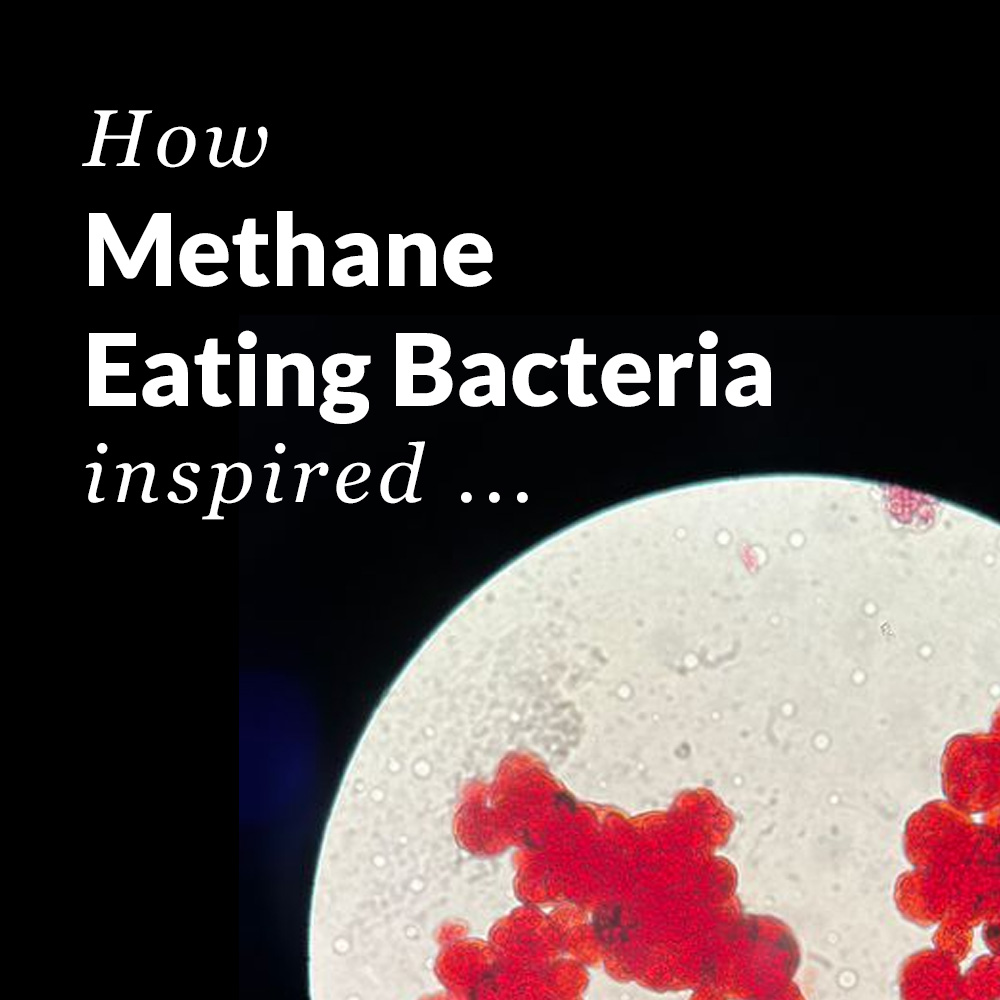
Methanotrophic bacteria inspire carbon-negative bioplastic from greenhouse gases, converting methane to polyhydroxyalkanoate polymer.

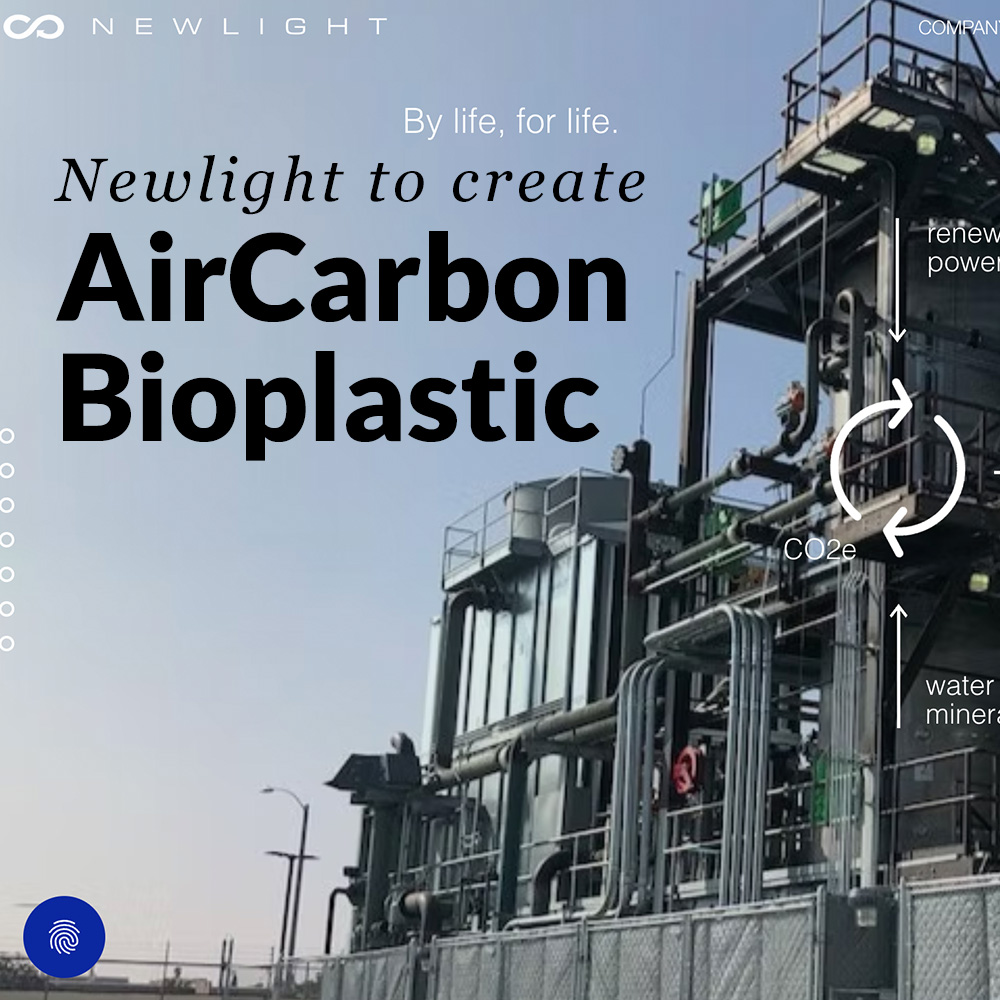
Methanotrophic bacteria possess an astonishing metabolic ability: they oxidise methane (the most potent greenhouse gas) and convert it directly into structural biopolymers—polyhydroxyalkanoates (PHAs)—without external energy input, powered only by methane oxidation. This biological alchemy captures atmospheric carbon and builds it into useful polymeric materials. Newlight Technologies engineered this process at scale, cultivating methanotrophic bacteria in fermentation systems, feeding them greenhouse gases (methane from landfills, agricultural waste, or industrial emissions), and harvesting the resulting PHA polymer. Unlike conventional bioplastics (which require agricultural inputs and are carbon-neutral at best), Newlight's AirCarbon is carbon-negative: the carbon sequestered in the polymer exceeds the CO2 released during production. Field-life-cycle assessments show AirCarbon products (packaging, textiles, consumer goods) offsetting more carbon than conventional plastics whilst remaining fully compostable. The fermentation process uses renewable or waste energy sources, and spent biomass returns to nutrient cycles. By harnessing a biological process normally occurring in landfills and oceans, Newlight created a material system that turns an environmental liability (greenhouse gas emissions) into an asset (carbon-sequestering material).
Biomimicry Breakdown

The Biomimicry Analysis

How Methanotrophic bacteria (methane-oxidising microorganisms) translates into Newlight AirCarbon - Methanogen-Based Bioplastic

Term
Applied to Newlight AirCarbon - Methanogen-Based Bioplastic
Function
Methanotrophic bacteria must derive both energy and carbon from methane, a single-carbon molecule at high oxidation state. They overcome this through multi-step oxidation pathways coupled to ATP generation and biosynthetic pathways producing complex polymers.
Mechanism
Methane monooxygenase catalyses methane oxidation to methanol. Subsequent oxidations generate formaldehyde and formate, which feed into central carbon metabolism. Energy from these oxidations drives ATP synthesis. Excess reducing power is channelled into polyhydroxyalkanoate (PHA) synthesis as storage polymer.
Design Principle
Harness metabolic pathways in waste-consuming microorganisms to produce valuable materials. Design fermentation systems that couple undesirable waste (greenhouse gases) to useful product synthesis. Optimise for carbon sequestration: products that store more carbon than production releases.
Resulting Design
AirCarbon fermentation converts methane (and other waste gases) into PHA polymer through bacterial metabolism, achieving carbon-negative material that sequesters more carbon than production releases. Products are fully compostable and provide equivalent performance to conventional plastics.

Find your own nature-inspired opportunities

Inspired by Newlight AirCarbon - Methanogen-Based Bioplastic? The Biomimicry Opportunity Map scans your company website and suggests challenges worth solving the way nature would.

Get started →

Apply This

Design Application Prompts

There's a natural world to explore

Learn to find strategies like this yourself