Materials
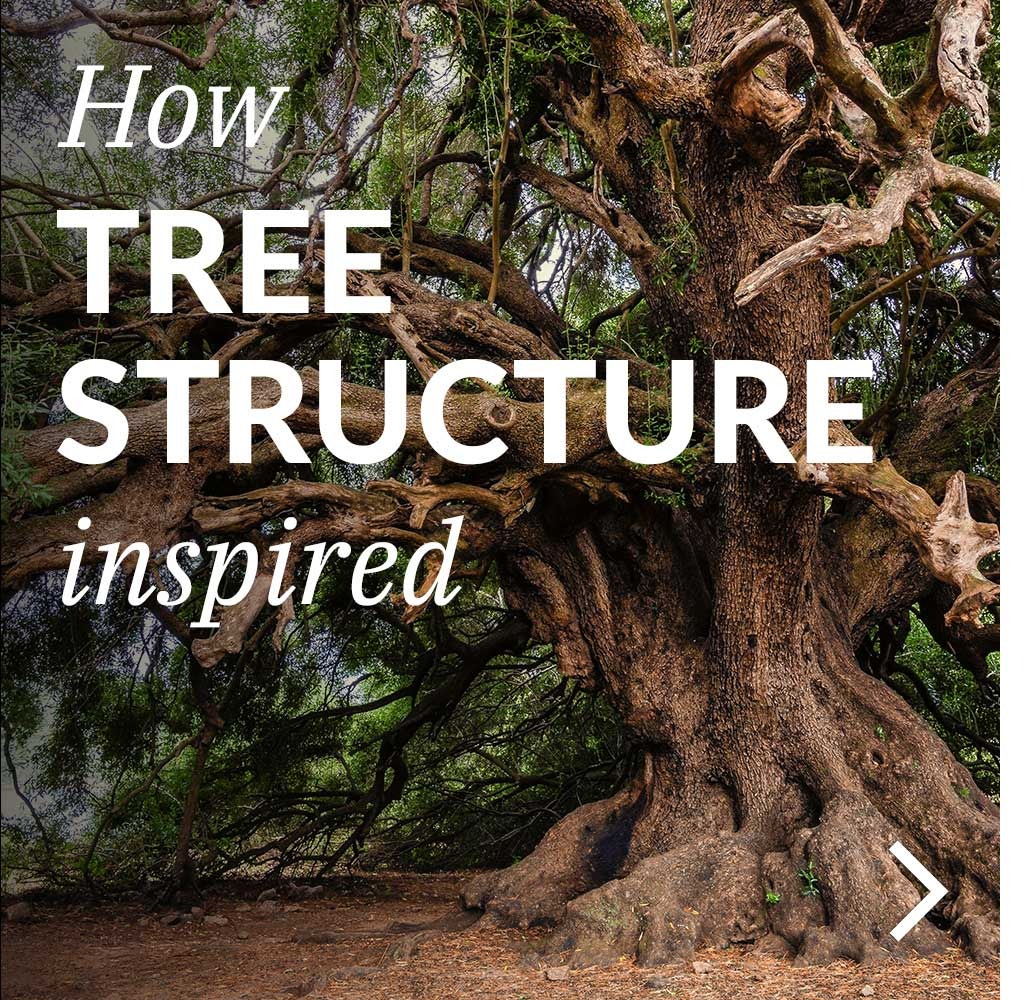
Tree fiber growth patterns, the natural model for Strong by Form - Fiber-Steered Timber
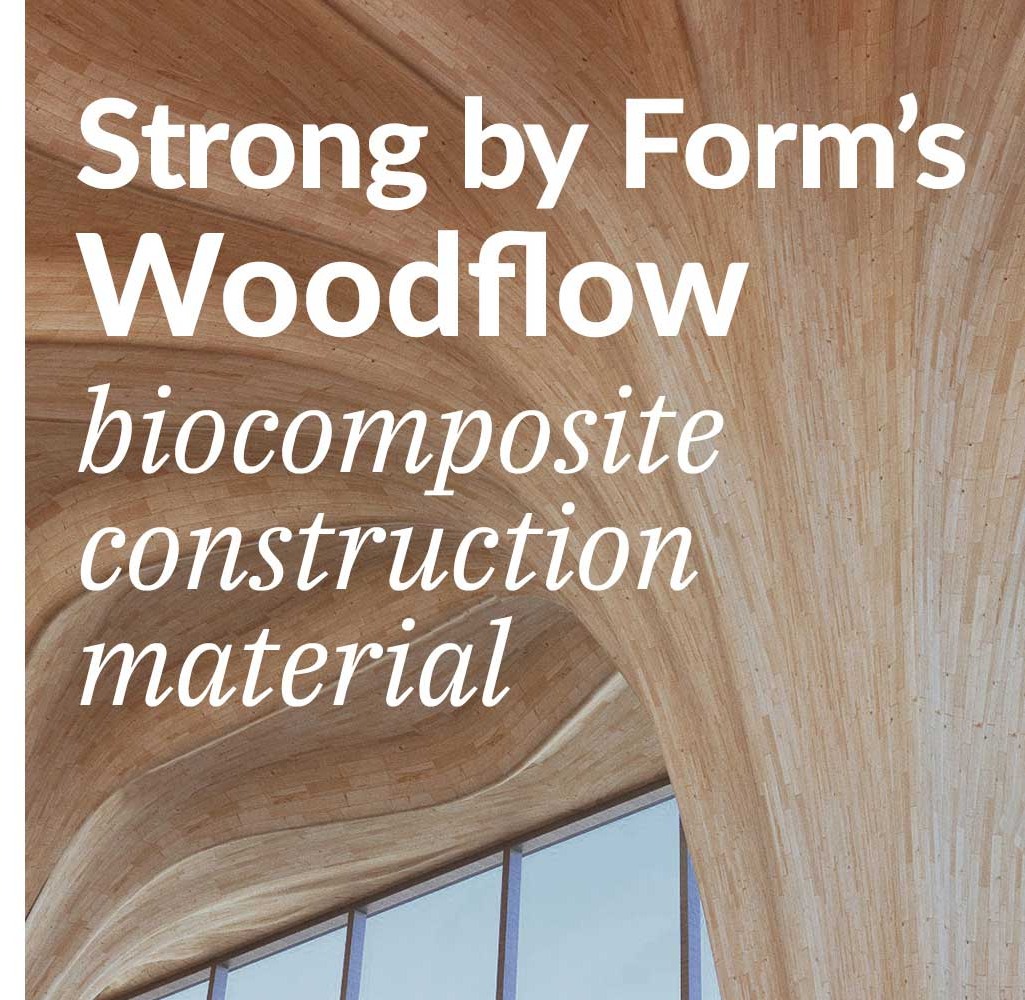
Strong by Form - Fiber-Steered Timber: the human application

Inspired by: Tree fiber growth patterns

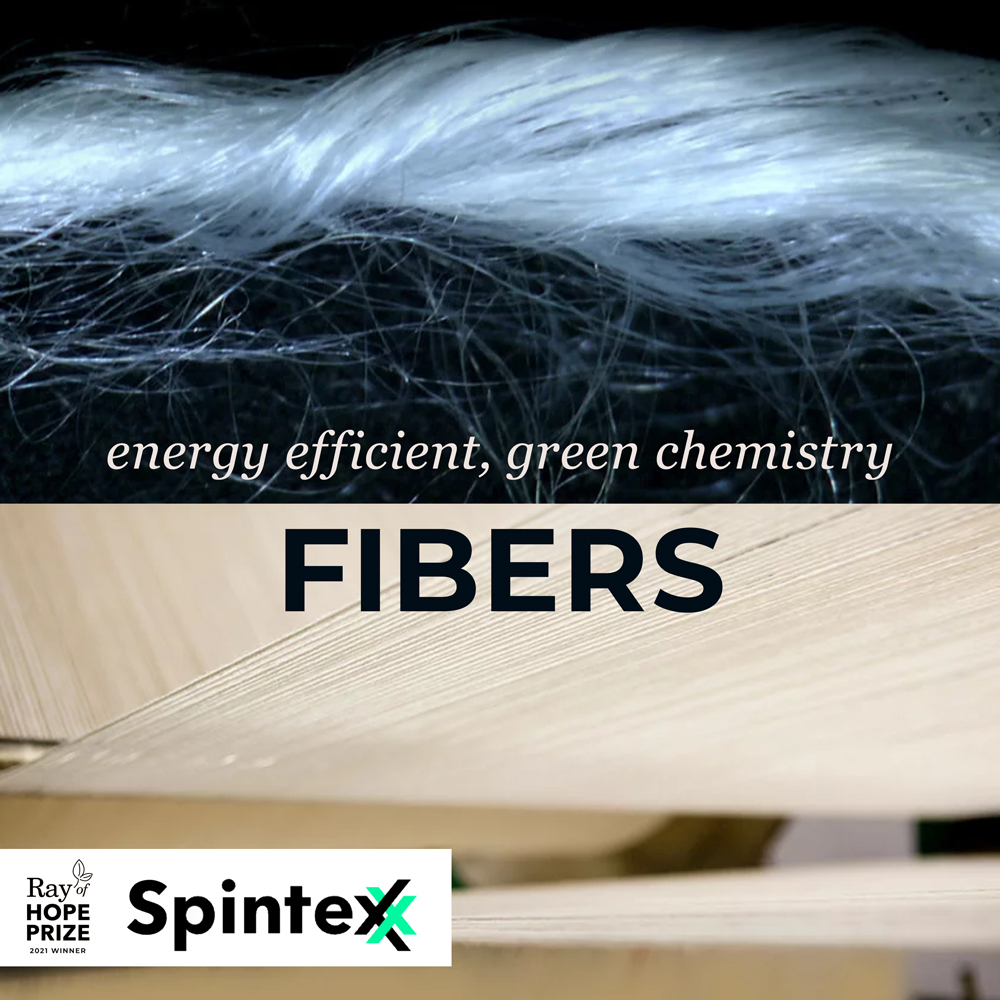
Strong by Form - Fiber-Steered Timber

Strong by Form

90%

weight reduction vs. concrete

comparative structural performance

90%

CO2 reduction vs. aluminium

lifecycle carbon footprint

5-7

strength-to-weight ratio improvement

factor vs. conventional timber

The Problem

Conventional construction materials (concrete, steel, aluminium) are either energy-intensive to produce or environmentally destructive. Timber is renewable but often underutilised in structural applications. There is a need for high-performance, low-carbon materials that match biological efficiency.

Tree fibre growth patterns inspire fibre-steered timber technology that achieves 90% weight reduction versus concrete.

Trees grow their fibres in response to mechanical stresses, creating anisotropic structures that are strong along the grain yet light overall. Over centuries, this evolutionary strategy optimises wood for load-bearing whilst minimizing material use—a principle that captured the attention of materials scientists at Strong by Form. The company reverse-engineered this biological logic to create timber sheets where fibres are intentionally steered during manufacturing, mimicking how trees distribute strength where it matters most. This breakthrough transforms timber from a traditional commodity into a high-performance engineering material. The result is woodflow technology: timber structures 90% lighter than concrete equivalents, 90% lower CO2 emissions than aluminium alternatives, and fully recyclable. By studying how nature optimises fibre orientation under variable loads, Strong by Form created a material system that challenges conventional construction paradigms, proving that biological principles can drive genuine industrial innovation.
Biomimicry Breakdown

The Biomimicry Analysis

How Tree fiber growth patterns translates into Strong by Form - Fiber-Steered Timber

Term
Applied to Strong by Form - Fiber-Steered Timber
Function
Trees must support their own mass and withstand wind, snow, and uneven growth conditions without accumulating excess material everywhere. Trees overcome this by growing fibres preferentially along stress trajectories, creating a graded, anisotropic structure.
Mechanism
Cambium cells sense mechanical signals (tension, compression, shear) and adjust fibre deposition accordingly. Radial growth creates circumferential strength; branch junctions show reinforced grain patterns. This self-optimising process runs continuously over the tree's lifetime, creating an architecture matching the specific load environment.
Design Principle
Design systems where reinforcing elements (fibres, beams, struts) align with principal stress directions, not uniform grids. Allow architecture to vary in density and orientation based on local load requirements. Prioritise material placement over material volume.
Resulting Design
Fibre-steered timber achieves structural capacity of steel or reinforced concrete using only wood, which is renewable, sequestrates carbon, and is fully recyclable. Manufacturing uses digital fibre steering to create bespoke grain patterns for each component, eliminating waste and enabling mass customisation.

Find your own nature-inspired opportunities

Inspired by Strong by Form - Fiber-Steered Timber? The Biomimicry Opportunity Map scans your company website and suggests challenges worth solving the way nature would.

Get started →

Apply This

Design Application Prompts

There's a natural world to explore

Learn to find strategies like this yourself