Gecko feet can attach and detach from almost any surface instantly, without glue or suction, simply using van der Waals molecular forces created by millions of tiny hair-like structures. This has inspired reusable dry adhesives now used in robotics, medical devices, and space applications.
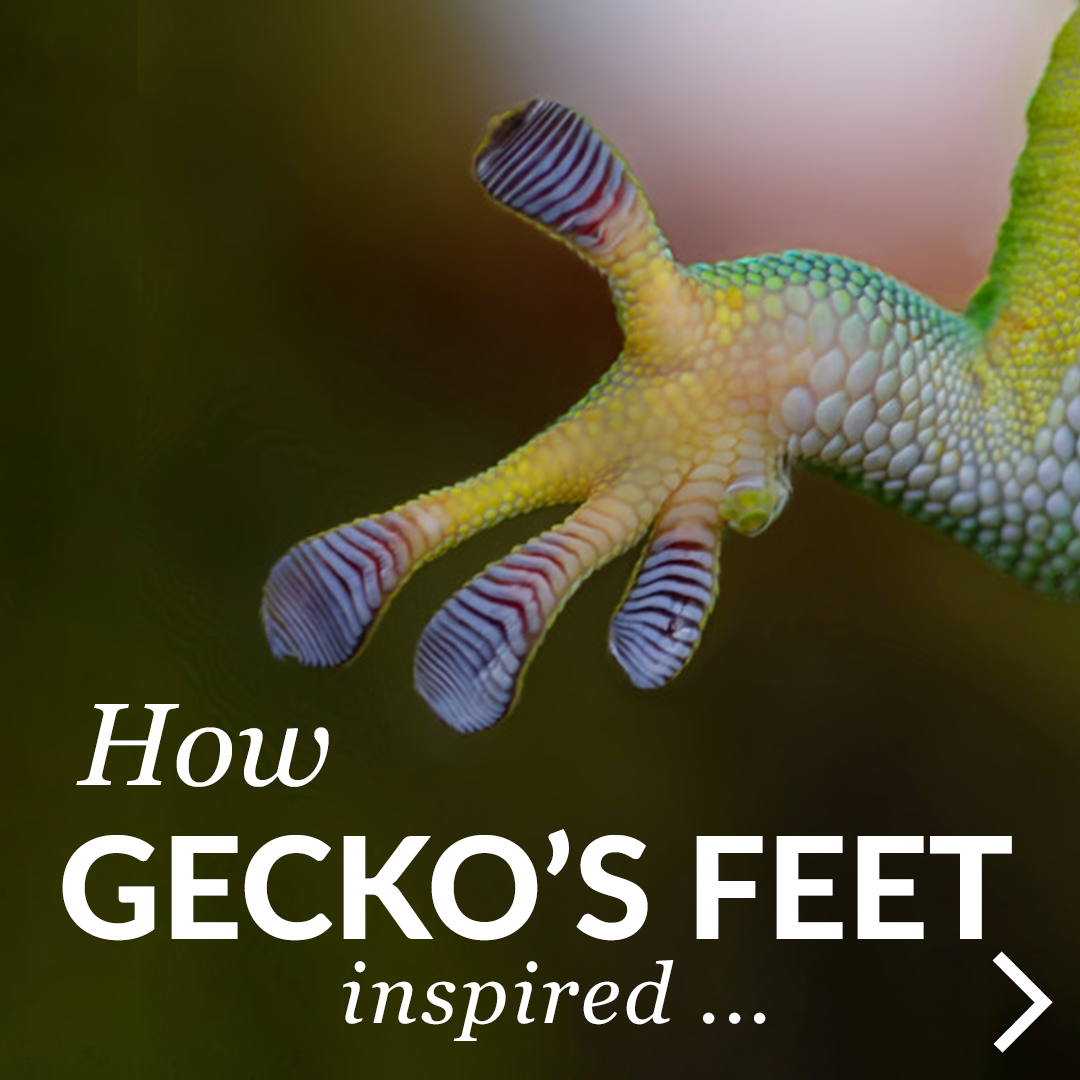
Gecko feet are covered in millions of microscopic hair-like structures called setae, each tipped with even smaller structures called spatulae — each about 200 nanometres wide. When these press against a surface, the massive total contact area creates van der Waals forces (weak intermolecular attraction) that collectively generate enormous adhesive force. A gecko can support its entire body weight from a single toe.
Critically, gecko adhesion is directional: the feet attach strongly when loaded in one direction and release cleanly when bent backward. This means geckos can stick and unstick with a simple foot movement — no chemical residue, no wear.
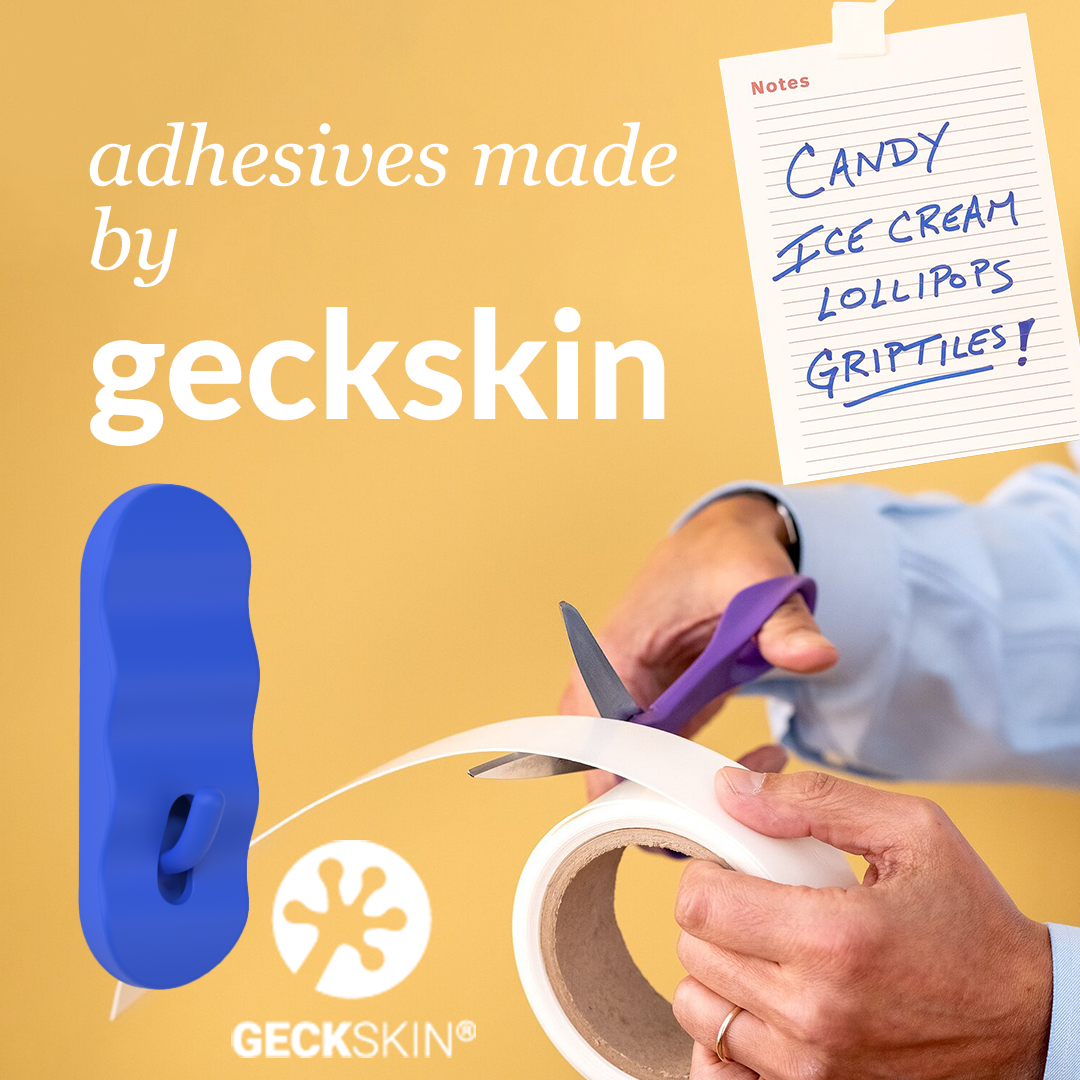
Materials scientists have replicated this using polymer nano-structures. The resulting "geckskin" or "dragonfly tape" materials adhere strongly to glass, metal, and most surfaces, then peel away cleanly. Applications include: wall-climbing robots for inspection and logistics, reusable surgical adhesives for wound closure, reversible mounting systems for electronics, and gecko-pad gloves for human climbing (DARPA Z-Man program).
Stanford's Biomimetics and Dextrous Manipulation Lab used gecko-inspired adhesives to create a climbing robot that can ascend glass walls carrying loads of up to 100kg.