Materials
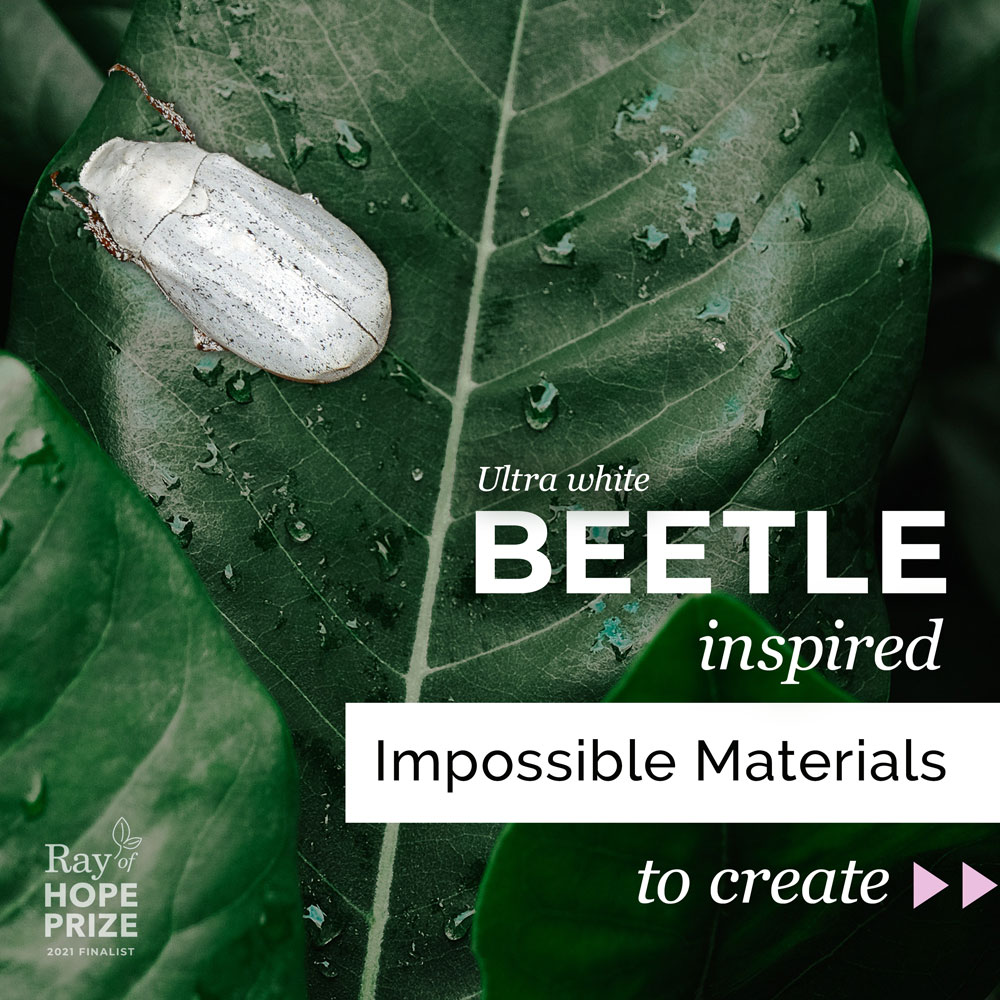
Morpho Butterfly, Jewel Beetle (Nanostructured Cuticles), the natural model for Seprify Structural Pigments
Seprify Structural Pigments: the human application

Inspired by: Morpho Butterfly, Jewel Beetle (Nanostructured Cuticles)

Seprify Structural Pigments

Seprify

10000

brightness ratio

luminance per unit coating thickness

0

heavy metal content

parts per billion in final product

100

biodegradability

percentage cellulose composition

The Problem

Chemical pigments—particularly those using heavy metals like cadmium, chromium, and lead—persist in environments, bioaccumulate in food chains, and create toxicological hazards during manufacturing and product disposal.

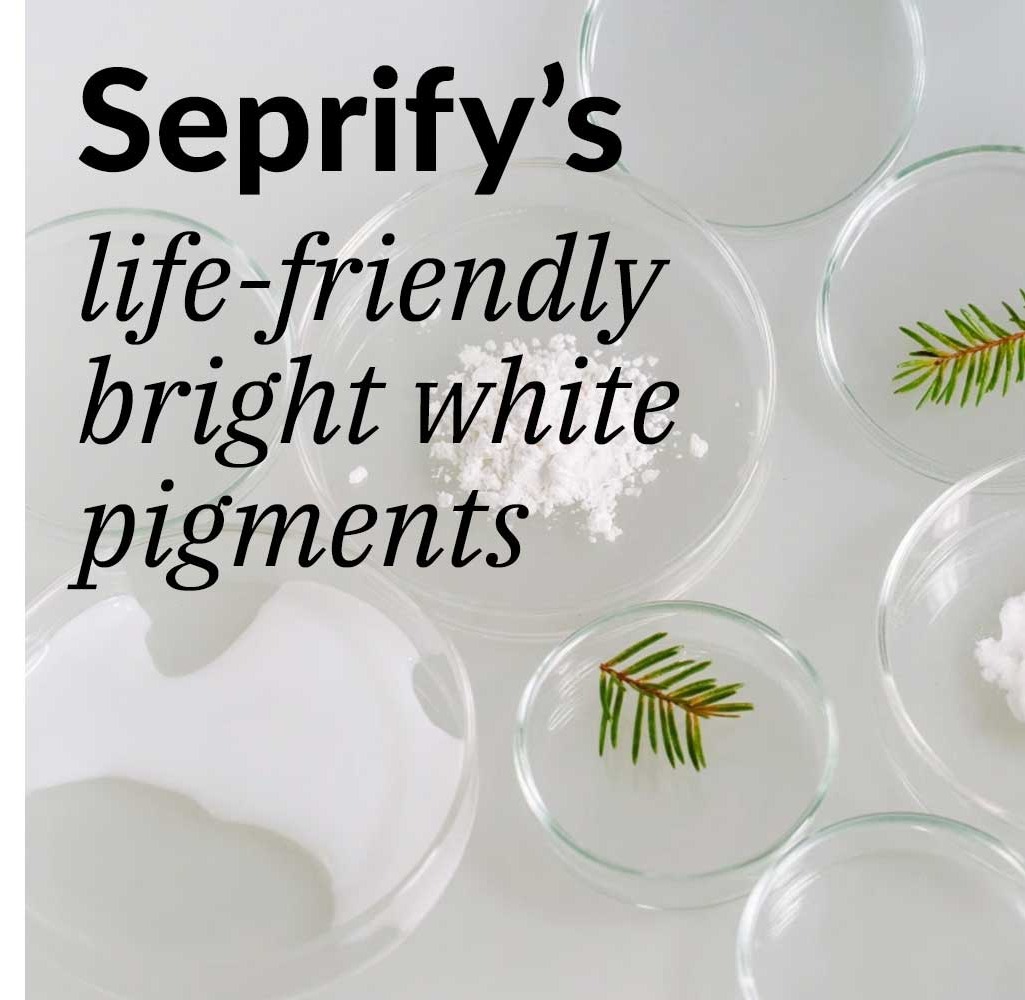
Non-toxic bright white from cellulose nanostructures.

Butterflies and beetles produce brilliant colours without pigments—their wings and exoskeletons contain nanostructured layers that manipulate light through interference and scattering, creating iridescence and brightness impossible with chemical dyes. These structures are non-toxic, photostable, and visually superior to conventional pigments. Seprify recognised that nature's nanostructure approach could replace toxic chemical pigments in paints, coatings, and cosmetics. The company engineered cellulose nanostructures that mimic beetle and butterfly cuticle architecture, creating brilliant whites and iridescent colours entirely from biodegradable plant materials. By substituting structural colour for chemical pigments, Seprify eliminated toxic heavy metals, reduced environmental persistence, and created pigments that can return safely to biological cycles. This innovation demonstrates that nature's colour engineering is not merely aesthetic but represents a superior materials paradigm—one where optical properties emerge from architecture rather than chemistry.

Biomimicry Breakdown

The Biomimicry Analysis

How Morpho Butterfly, Jewel Beetle (Nanostructured Cuticles) translates into Seprify Structural Pigments

Term
Applied to Seprify Structural Pigments
Function
Layered cellulose nanostructures create optical paths where light wavelengths interfere constructively, amplifying specific colours whilst suppressing others. The nano-scale thickness (100-400 nm) ensures wavelength-selective reflection of visible light.
Mechanism
Incident light penetrates multiple cellulose layers, reflecting from each interface according to the refractive index difference. Constructive interference of reflected waves creates brilliant colour and high brightness without absorbing light as chemical pigments do.
Design Principle
Structural colour is superior to chemical pigments because it manipulates photon energy without chemical bonds, creating non-toxic, photostable colours impossible with conventional dyes.
Resulting Design
Pigments achieve brightness equivalent to best chemical alternatives whilst being entirely non-toxic, biodegradable, and requiring no heavy metal processing.

Find your own nature-inspired opportunities

Inspired by Seprify Structural Pigments? The Biomimicry Opportunity Map scans your company website and suggests challenges worth solving the way nature would.

Get started →

Apply This

Design Application Prompts

There's a natural world to explore

Learn to find strategies like this yourself