Materials
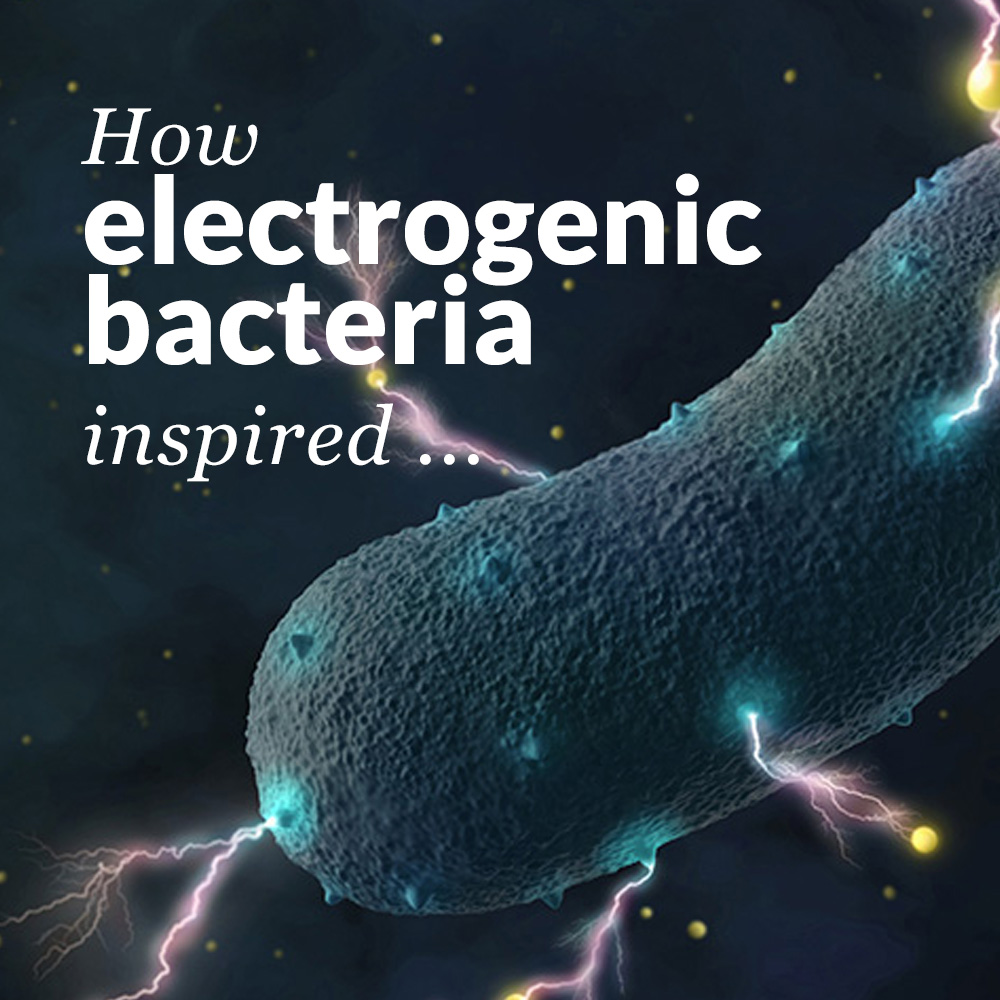
Electrogenic Bacteria, the natural model for Bacteria Biomining for Battery Metals
Bacteria Biomining for Battery Metals: the human application

Inspired by: Electrogenic Bacteria

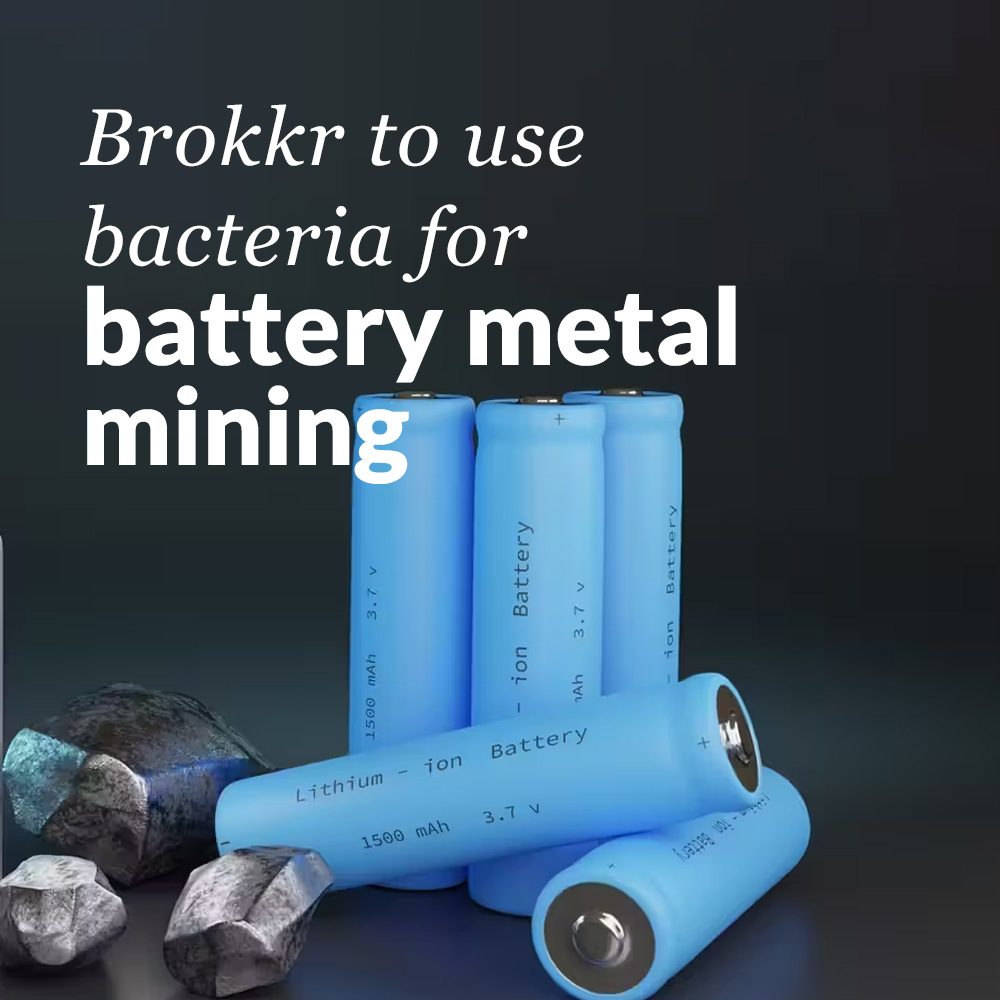
Bacteria Biomining for Battery Metals

Brokkr

70%

Reduction in energy use versus conventional smelting

Ambient-temperature microbial dissolution eliminates furnace energy demand

~5Gt

Global battery-metal tailings potentially accessible to biomining

Low-grade stockpiles uneconomic for smelting become viable bioreactor feedstocks

0

Acid baths required in the leaching stage

Microbial electron transfer replaces chemical leachants

The Problem

Conventional lithium and cobalt extraction requires energy-intensive smelting that produces significant CO₂ — creating a carbon-intensive supply chain for low-carbon battery technology.

Electrogenic bacteria extract lithium and cobalt without smelting

Lithium, cobalt, and nickel are the mineral backbone of the clean energy transition — yet extracting them conventionally requires open-pit mines, acid leaching baths, and energy-intensive smelters that themselves produce significant carbon emissions. For every tonne of battery-grade lithium produced by conventional pyrometallurgy, several tonnes of CO₂ are emitted. The irony of a carbon-intensive supply chain for low-carbon batteries has become one of the more uncomfortable tensions in the energy transition narrative.

Oslo-based Brokkr is developing a biomining platform inspired by electrogenic bacteria that naturally solubilise metal ions from rock and sediment as part of their metabolic cycle. Species such as Geobacter and Shewanella transfer electrons to solid metal oxides, effectively reducing and dissolving them at ambient temperature and pressure — a process that requires no acid bath, no furnace, and no smelting flux. The bacteria produce a dilute metal-rich leachate that is then electrochemically concentrated and separated.

Brokkr's approach combines engineered microbial consortia with modular electrochemical cells. The bacteria are cultivated on ore feedstocks in bioreactors; their metabolic electron transfer dissolves target metals selectively, while a downstream electrolytic stage recovers battery-grade product. Because the process operates at room temperature, energy consumption is a fraction of conventional smelting. The process also works on low-grade tailings — the vast stockpiles of previously uneconomic waste left behind by conventional mining — potentially unlocking billions of tonnes of stranded battery-metal resource.

If commercialised at scale, bacterial biomining could transform the geography of battery-metal supply: rather than concentrated smelter complexes near major mines, distributed bioreactor units could process tailings wherever they exist, reducing both transport emissions and geopolitical concentration of critical mineral supply chains.
Biomimicry Breakdown

The Biomimicry Analysis

How Electrogenic Bacteria translates into Bacteria Biomining for Battery Metals

Term
Applied to Bacteria Biomining for Battery Metals
Function
Electrogenic bacteria metabolise metal oxides by transferring electrons to solid minerals, dissolving them at ambient temperature without acid leaching or smelting — a natural electrochemical mining process powered by microbial respiration.
Mechanism
Engineered Geobacter/Shewanella consortia are cultivated on ore or tailings feedstocks in bioreactors; microbial electron transfer dissolves target metals selectively into leachate, which is then concentrated and separated by downstream electrolysis.
Design Principle
Microbial metabolism replaces thermal energy: by co-opting the natural capacity of electrogenic bacteria to "breathe" metals, the extraction process operates at room temperature and pressure, eliminating the energy and emissions of pyrometallurgy.
Resulting Design
Battery-grade lithium and cobalt can be extracted from ore and tailings at significantly lower energy and carbon cost than conventional smelting, with the added ability to process previously uneconomic low-grade stockpiles.

Find your own nature-inspired opportunities

Inspired by Bacteria Biomining for Battery Metals? The Biomimicry Opportunity Map scans your company website and suggests challenges worth solving the way nature would.

Get started →

Apply This

Design Application Prompts

There's a natural world to explore

Learn to find strategies like this yourself