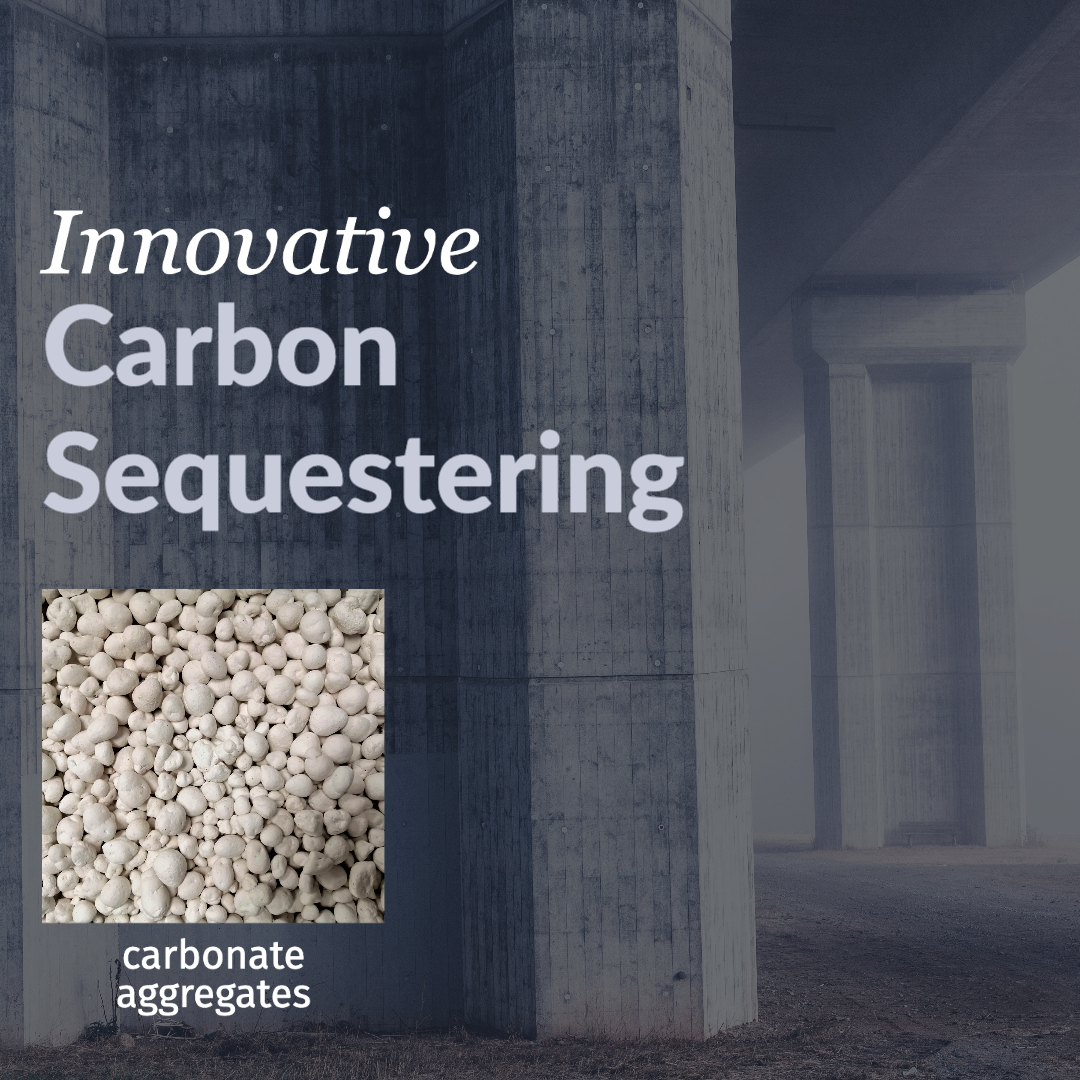
Blue Planet developed concrete aggregates using CO2-sequestering minerals inspired by coral calcium carbonate structures. These aggregates lock CO2 into concrete, reducing emissions while improving building material sustainability.
Hard corals build their skeletons from calcium carbonate, extracting calcium and carbonate from seawater and precipitating it into mineral structures. The process sequesters CO2—the carbonate in shells and skeletons originally came from atmospheric CO2. Blue Planet developed an alternative cement technology based on this principle: instead of portland cement (which is extremely carbon-intensive to produce), they use CO2-sequestering aggregates. The process involves capturing CO2 (from industrial sources or directly from air), converting it to mineral form (calcium or magnesium carbonate), and using this as concrete aggregate or binder. The result is concrete that is carbon-negative: the carbon sequestered in the material exceeds the carbon emitted in production. Concrete production accounts for ~8% of global CO2 emissions; CO2-sequestering concrete could fundamentally transform construction's carbon footprint. Blue Planet's technology is commercially scaling; the aggregates work in standard concrete mix designs and perform comparably to conventional aggregates. The ultimate goal is net-negative concrete: materials that actually improve the atmosphere by sequestering more CO2 than their production emits. Additional benefits include utilizing waste CO2 from industrial sources (converting a waste product into a resource) and creating building materials that literally reverse climate change by the act of being produced.