Materials
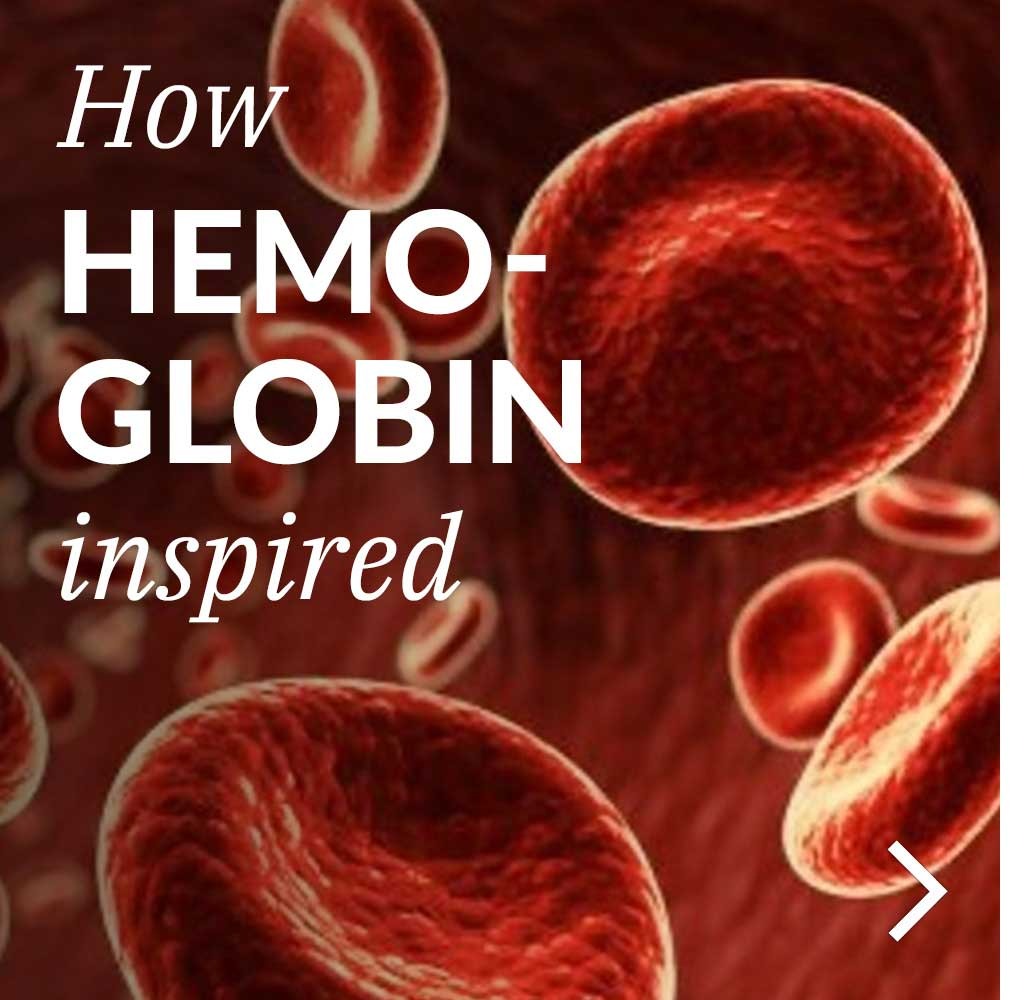
Hemoglobin and iron-binding proteins, the natural model for Azul Energy - Hemoglobin-Inspired Metal-Free Catalysts
Azul Energy - Hemoglobin-Inspired Metal-Free Catalysts: the human application

Inspired by: Hemoglobin and iron-binding proteins

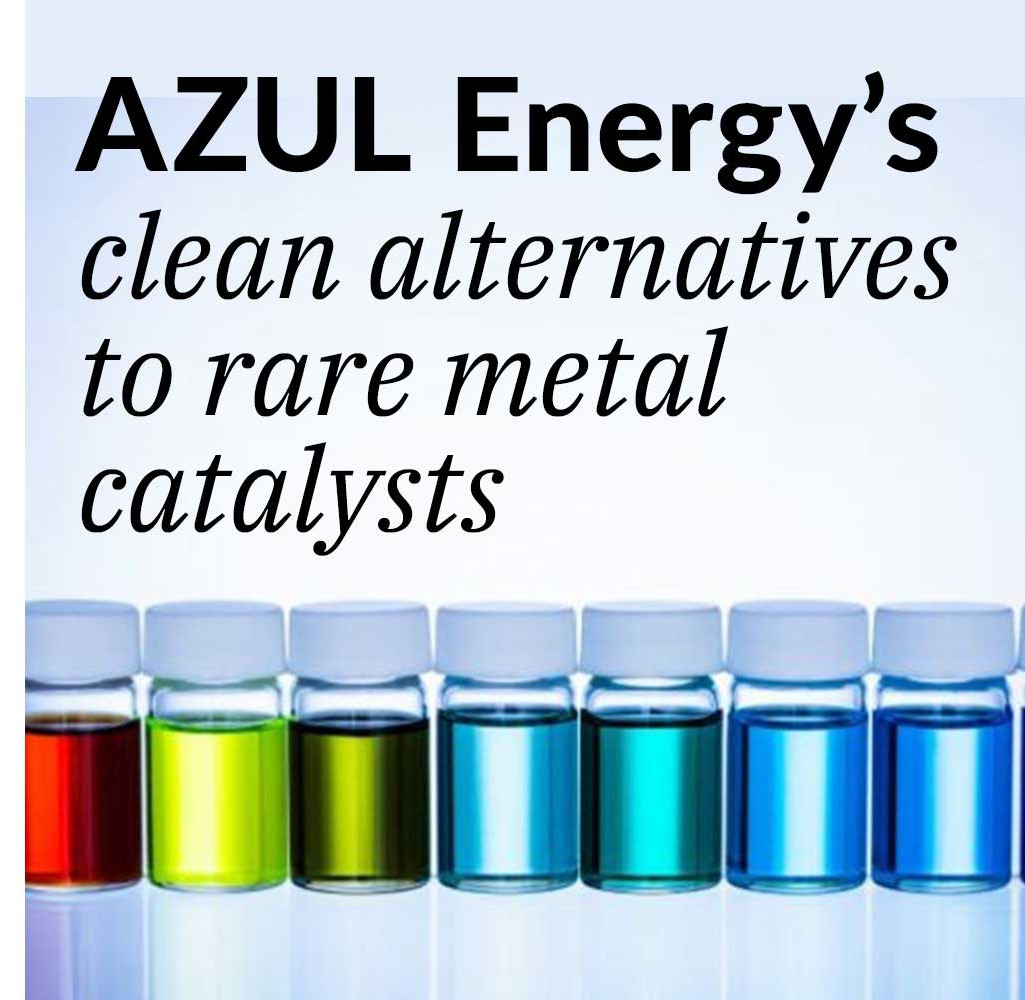
Azul Energy - Hemoglobin-Inspired Metal-Free Catalysts

Azul Energy

0.8-1.0

V half-wave potential for ORR

comparable to platinum benchmarks

>1000

cycles before capacity loss

durability in energy storage systems

100%

abundance of iron and carbon feedstocks

elimination of rare-metal dependency

The Problem

Energy storage and conversion rely heavily on platinum-group metals (platinum, cobalt, iridium), which are scarce, geopolitically concentrated, and environmentally destructive to mine. Alternative catalysts using abundant elements are needed to enable global energy transition.

Hemoglobin's oxygen-binding mechanism inspires metal-free catalysts for energy storage, replacing rare-earth elements.

Hemoglobin reversibly binds oxygen through iron-porphyrin complexes, enabling efficient oxygen transport without catalytic degradation over billions of cycles. This biological system achieves catalytic selectivity and longevity through a precisely tuned coordination geometry—a feat that conventional catalysis, reliant on rare metals like platinum and cobalt, struggles to replicate sustainably. Azul Energy, working from Japan, identified that the key to hemoglobin's efficiency lies in its organic scaffold: the porphyrin ring system that positions iron for optimal binding whilst protecting it from deactivation. The company synthesised nitrogen-doped carbon structures mimicking porphyrin coordination chemistry, creating catalytically active sites without requiring rare metals. This breakthrough directly addresses energy storage bottlenecks: lithium-ion batteries and fuel cells depend on platinum-group metals, driving mining, geopolitical supply-chain vulnerability, and environmental destruction. Azul's hemoglobin-inspired catalysts demonstrate competitive oxygen reduction and hydrogen evolution reaction rates whilst using abundant iron and organic carbon. The innovation opens pathways to sustainable energy storage infrastructure accessible globally, not limited by metal scarcity.
Biomimicry Breakdown

The Biomimicry Analysis

How Hemoglobin and iron-binding proteins translates into Azul Energy - Hemoglobin-Inspired Metal-Free Catalysts

Term
Applied to Azul Energy - Hemoglobin-Inspired Metal-Free Catalysts
Function
Oxygen transport proteins must bind oxygen reversibly, many times per second, without catalyst poisoning or structural degradation. Hemoglobin achieves this through cooperative binding and a protective organic matrix that shields the metal from deactivation.
Mechanism
The iron atom sits within a porphyrin ring, held by nitrogen coordination bonds. Oxygen binds reversibly to iron without oxidising it beyond usability. The porphyrin scaffold prevents iron aggregation and provides hydrophobic protection, enabling millions of binding cycles per protein lifetime.
Design Principle
Design catalytic sites where organic ligands (carbon, nitrogen, sulphur) provide coordination geometry and protection, not just the metal atom itself. Prioritise reversible binding over strong irreversible adsorption. Create scaffolds that prevent catalyst aggregation and poisoning, mimicking protein's role.
Resulting Design
Nitrogen-doped carbon catalysts achieve oxygen reduction potentials and hydrogen evolution rates competitive with platinum, using only iron and carbon feedstocks. This enables globally distributed energy storage without geopolitical supply-chain vulnerability, directly supporting renewable energy scaling.

Find your own nature-inspired opportunities

Inspired by Azul Energy - Hemoglobin-Inspired Metal-Free Catalysts? The Biomimicry Opportunity Map scans your company website and suggests challenges worth solving the way nature would.

Get started →

Apply This

Design Application Prompts

There's a natural world to explore

Learn to find strategies like this yourself