The Problem
PFAS chemicals, used in waterproof textiles for decades, accumulate in the environment and organisms, causing persistent pollution and health effects. The textile industry requires effective water-repellent solutions that do not introduce persistent toxic substances.
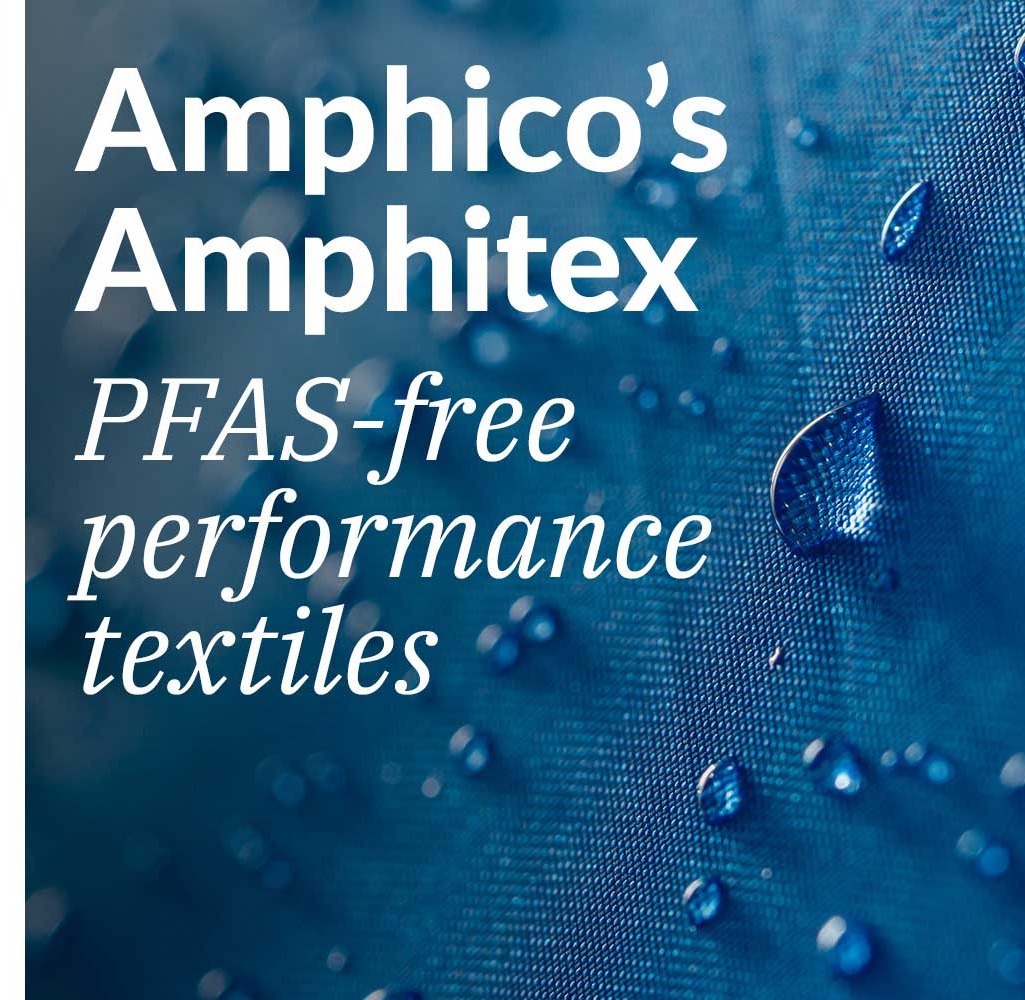
Lotus leaf surface microstructure inspires PFAS-free, durable water-repellent textiles (Amphitex), eliminating persistent environmental pollutants.
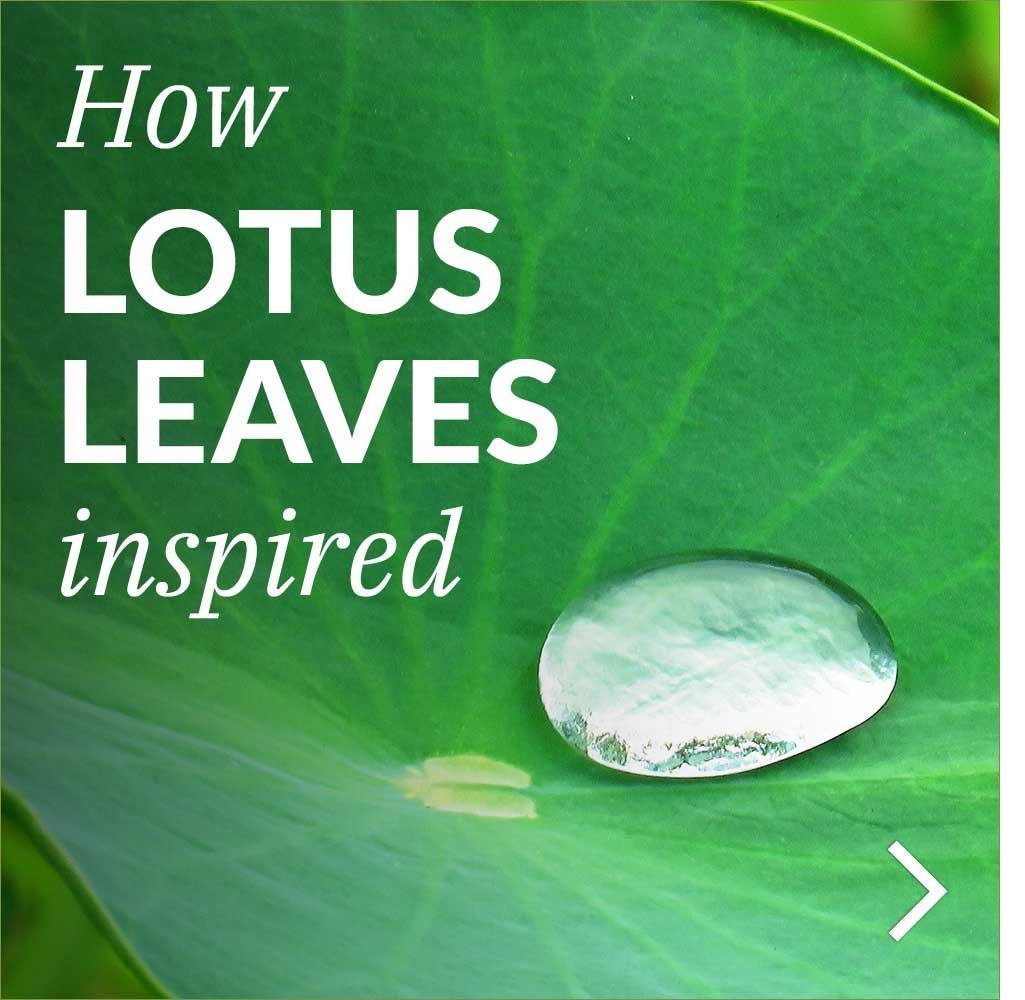
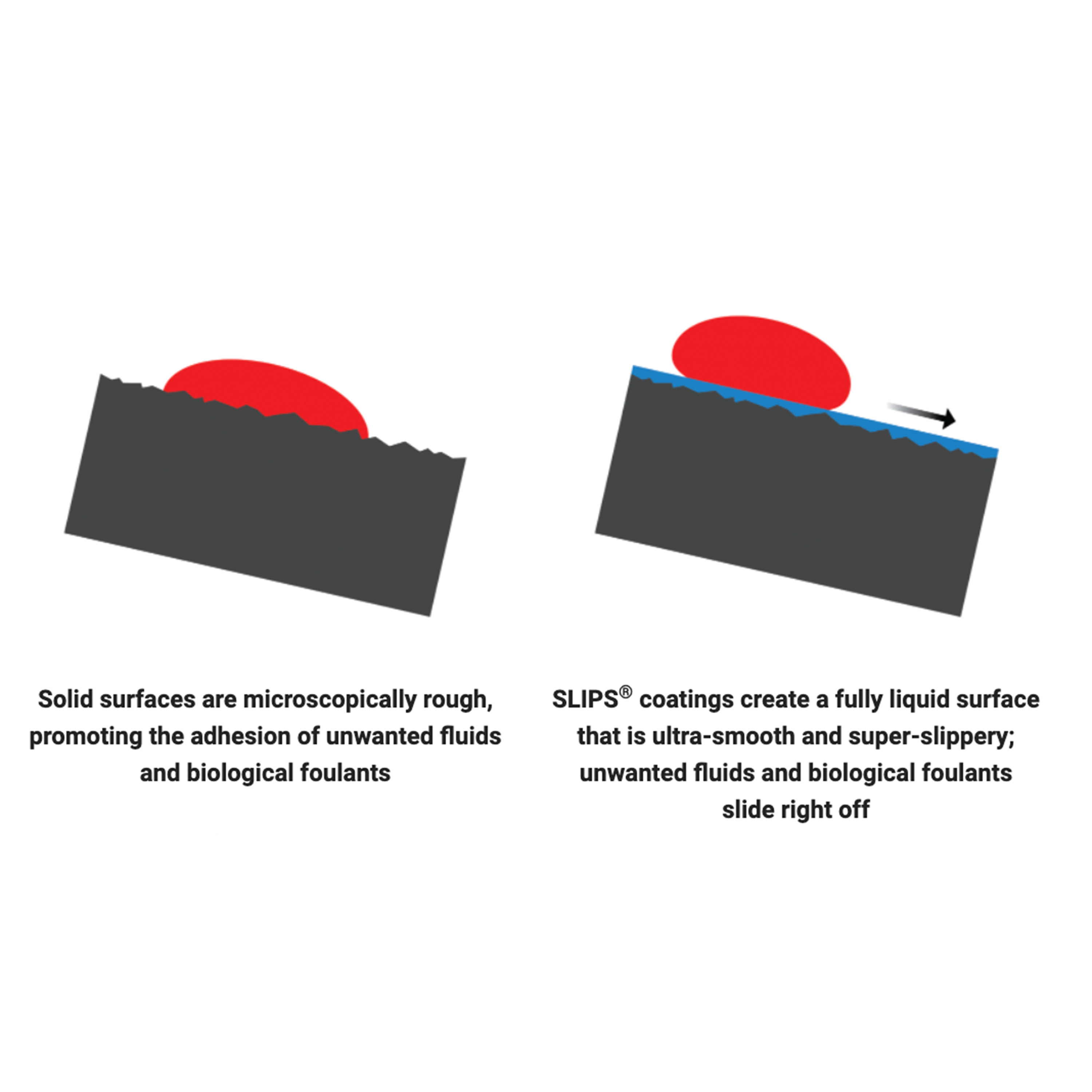
The lotus leaf achieves superhydrophobicity through hierarchical surface roughness—microscopic bumps coated with waxy epicuticular layers—creating air pockets that allow water to bead and roll away without penetrating. This two-tier architecture (micrometre-scale papillae with nanometre-scale wax crystals) is nature's solution to self-cleaning whilst remaining permeable to gases and moisture. For decades, the textile industry replicated this using per- and polyfluoroalkyl substances (PFAS), synthetic fluorocarbons that provide excellent water repellency but persist indefinitely in soil, water, and biological tissues, causing widespread endocrine disruption. Amphico studied lotus leaf geometry and translated it into a textile manufacturing process using harmless silica nanoparticles and plant-based resins, creating Amphitex fabric with durable water repellency without fluorochemicals. Field testing shows PFAS-free Amphitex maintains water-shedding properties through 50+ wash cycles, matching or exceeding fluorinated competitors. By biomimicking surface topology rather than chemistry, Amphico solved a critical environmental problem affecting millions of tonnes of textile production annually, proving that biological alternatives exist for seemingly essential synthetic chemicals.