Materials
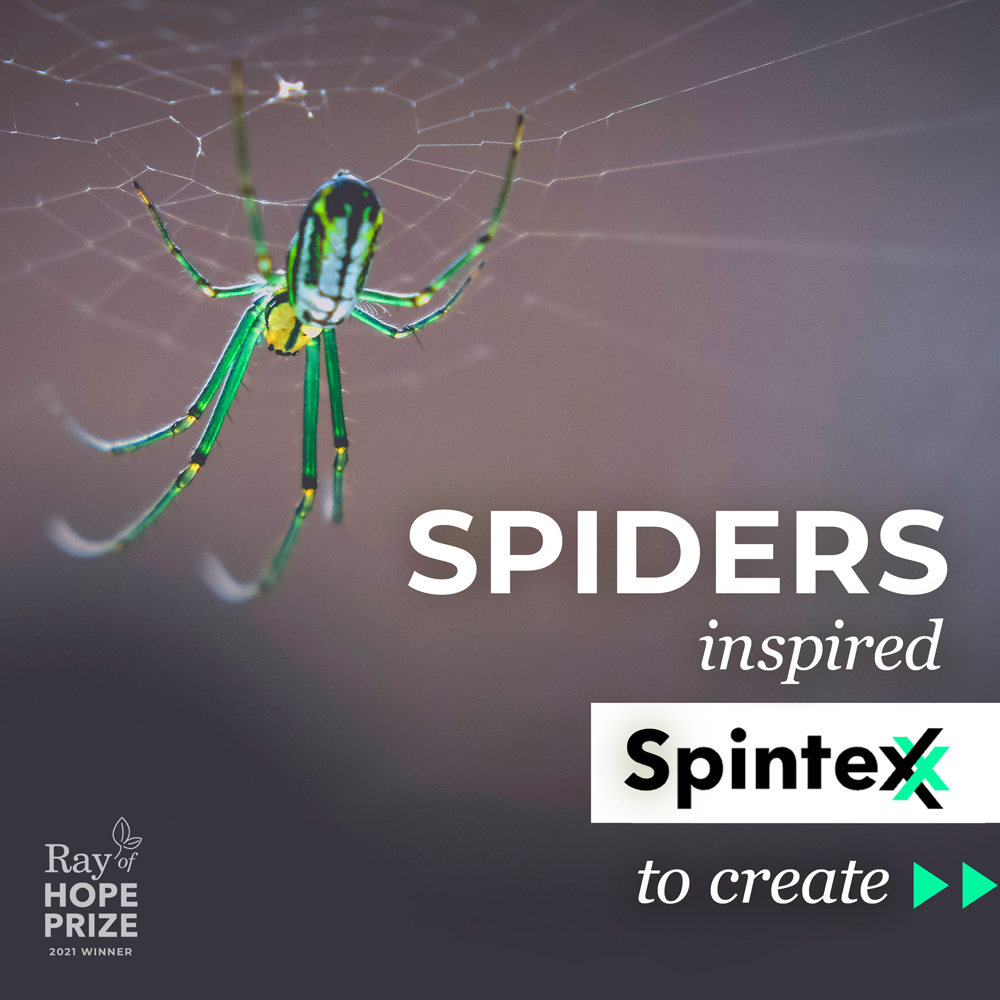
Spiders (various species producing different silk types), the natural model for Spider Silk: High-Performance Next-Gen Materials
Spider Silk: High-Performance Next-Gen Materials: the human application

Inspired by: Spiders (various species producing different silk types)

Spider Silk: High-Performance Next-Gen Materials

Spiber

The Problem

Synthetic fibers require petroleum and high energy; high-strength materials are heavy; need for sustainable high-performance materials.

Development of high-performance synthetic spider silk proteins for next-generation materials with exceptional strength and flexibility.

Spider silks are among the strongest natural fibers, combining high tensile strength with elasticity. Spiber and other biotechnology companies use fermentation to produce recombinant spider silk proteins that can be spun into fibers. These materials have applications in textiles, structural components, and specialized applications requiring strength-to-weight optimization.

Biomimicry Breakdown

The Biomimicry Analysis

How Spiders (various species producing different silk types) translates into Spider Silk: High-Performance Next-Gen Materials

Term
Applied to Spider Silk: High-Performance Next-Gen Materials
Function
Mimics spider silk protein chemistry for high-performance fibers.
Mechanism
Recombinant protein expression followed by fiber spinning.
Design Principle
Use biological synthesis for advanced materials.
Resulting Design
Sustainable high-performance spider silk materials.

Find your own nature-inspired opportunities

Inspired by Spider Silk: High-Performance Next-Gen Materials? The Biomimicry Opportunity Map scans your company website and suggests challenges worth solving the way nature would.

Get started →

Apply This

Design Application Prompts

There's a natural world to explore

Learn to find strategies like this yourself