The Problem
Large buildings require substantial energy for heating, cooling, and ventilation. Traditional sealed envelope designs with mechanical systems are energy-intensive and environmentally costly.
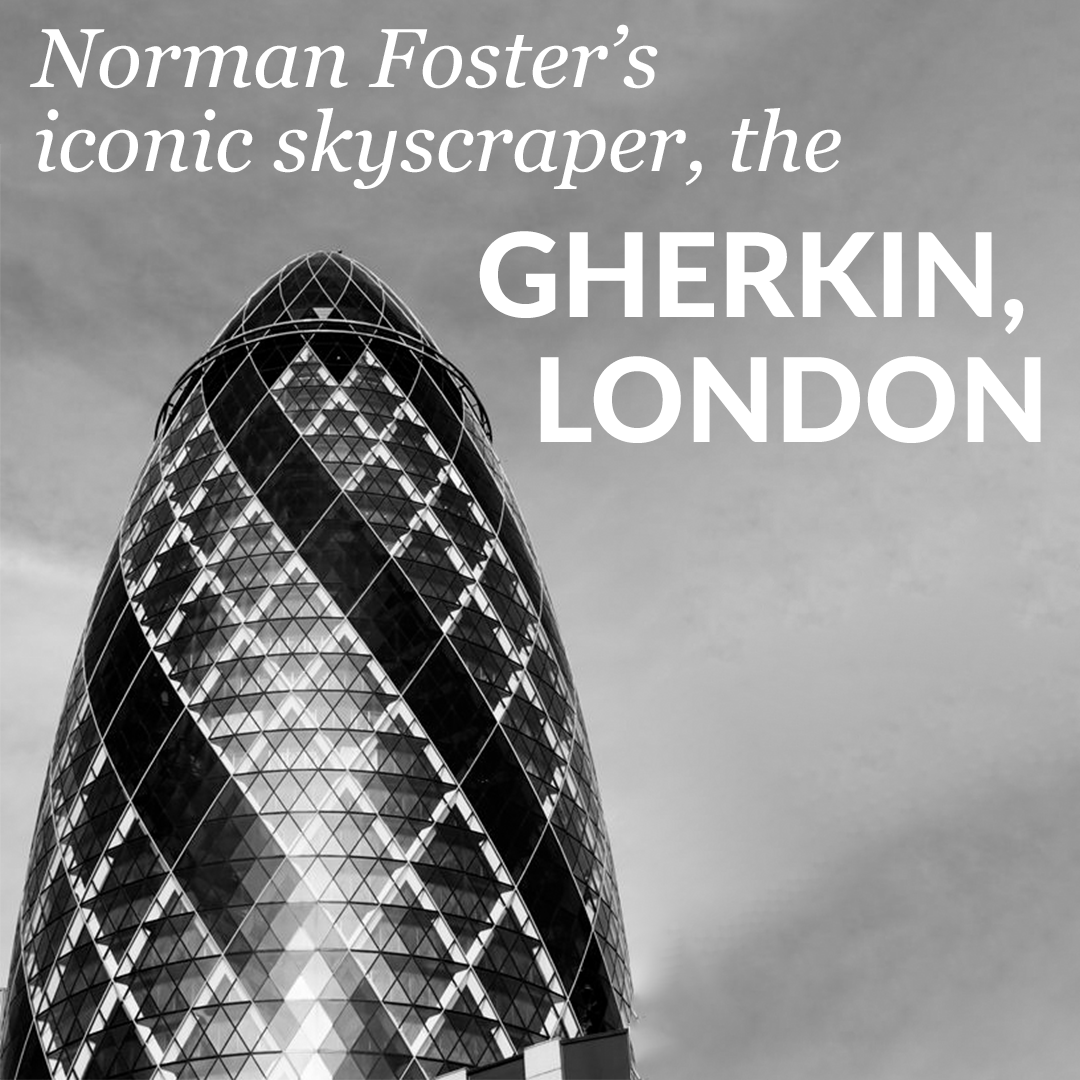
30 St Mary Axe (the Gherkin) in London uses a ventilation strategy directly inspired by the Venus flower basket sponge, creating natural air spirals that reduce energy consumption by 50% compared to buildings of equivalent size.
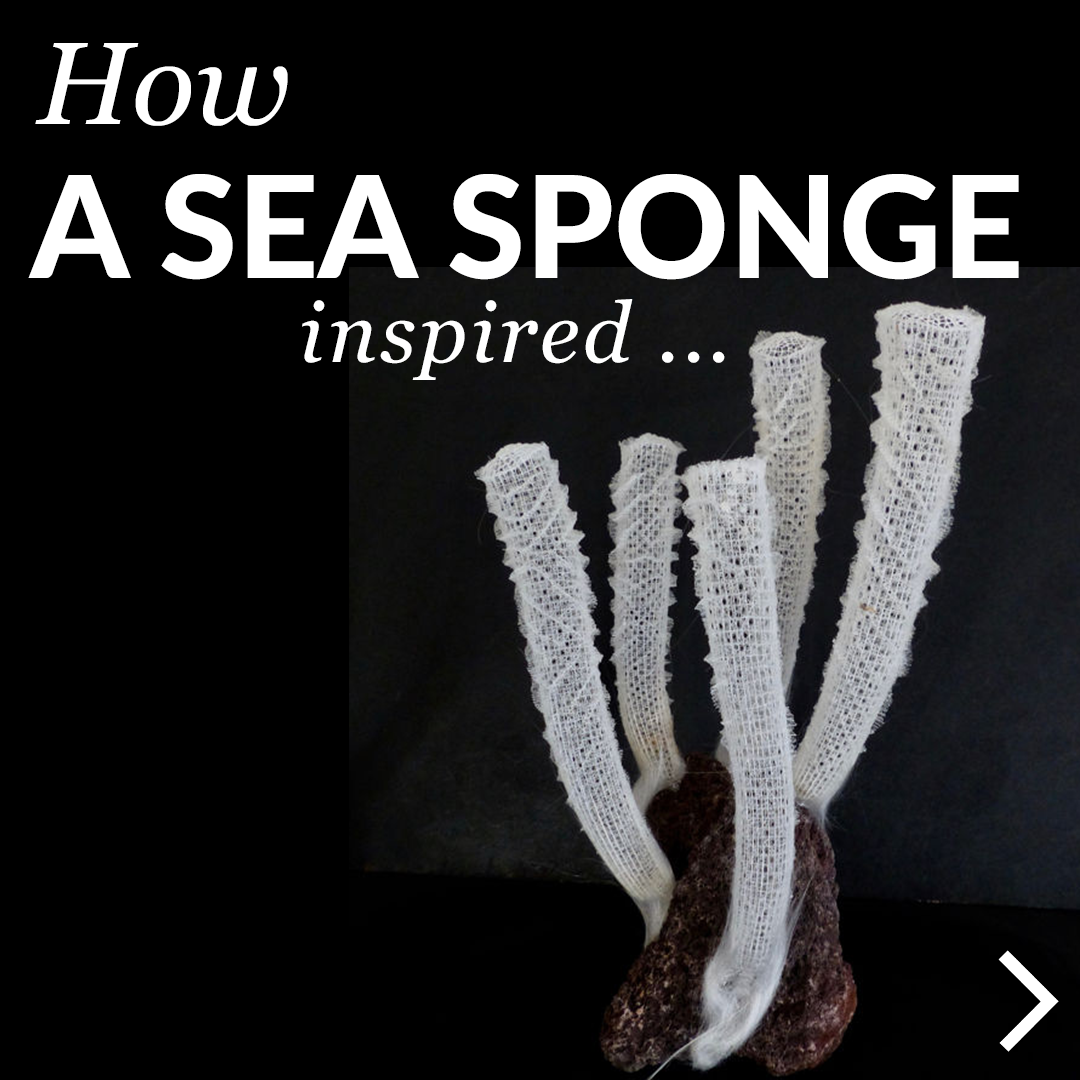
The Venus flower basket sponge has a latticed glass skeleton that creates spiralling water currents to deliver food and oxygen to the organisms living inside. Its helical structure directs fluid flow with minimal energy expenditure — a principle fluid dynamicists have studied for decades.
Foster + Partners applied this directly to the Gherkin's design. The building's distinctive curved form and the diagonal triangular structure create a series of pressure differences as wind flows around it. Six triangular atria spiral up the building's interior, acting as the building's "lungs" — drawing fresh air in at lower floors and expelling stale air from the top. The aerodynamic shape also reduces wind loading by up to 50% compared to a conventional rectangular tower.
The result is a building that uses natural pressure differentials for ventilation for much of the year, dramatically reducing mechanical HVAC energy demand. The curved form also allows more daylight to reach the surrounding streets than a conventional rectangular tower would.