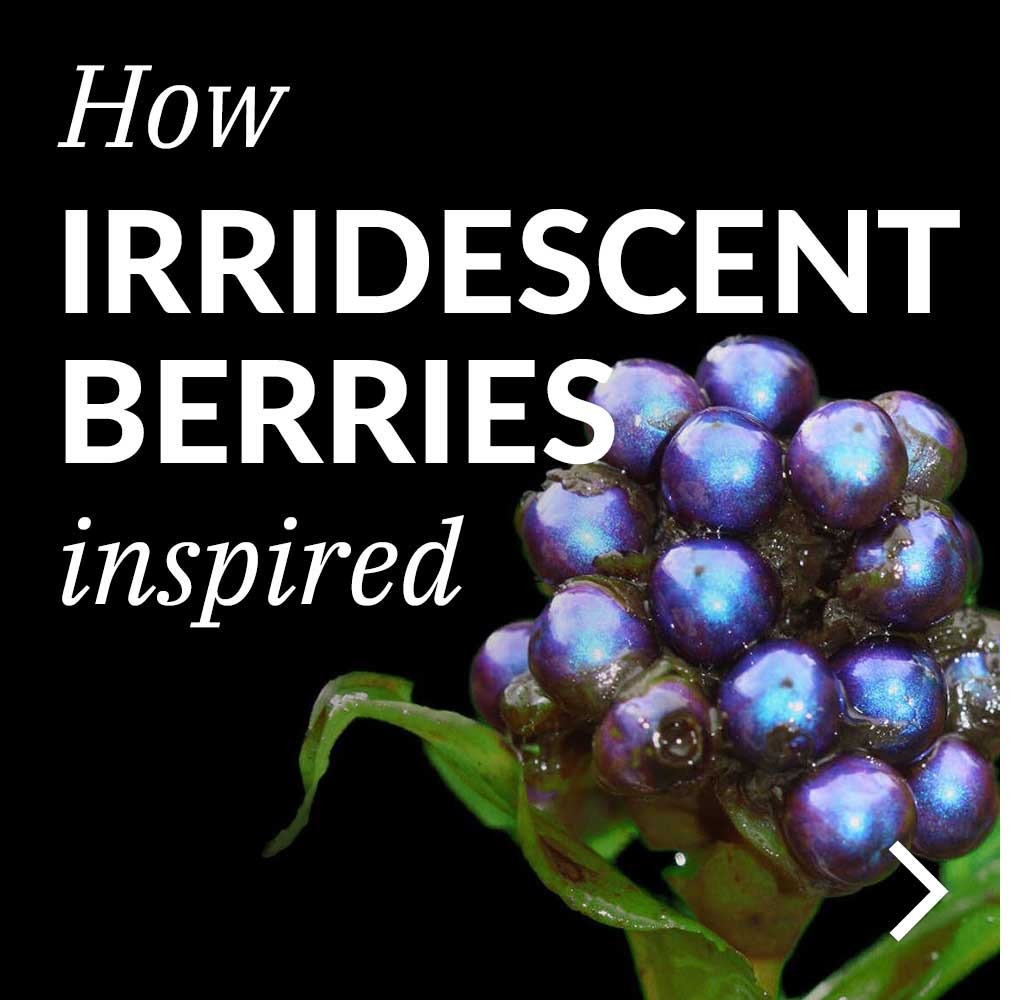
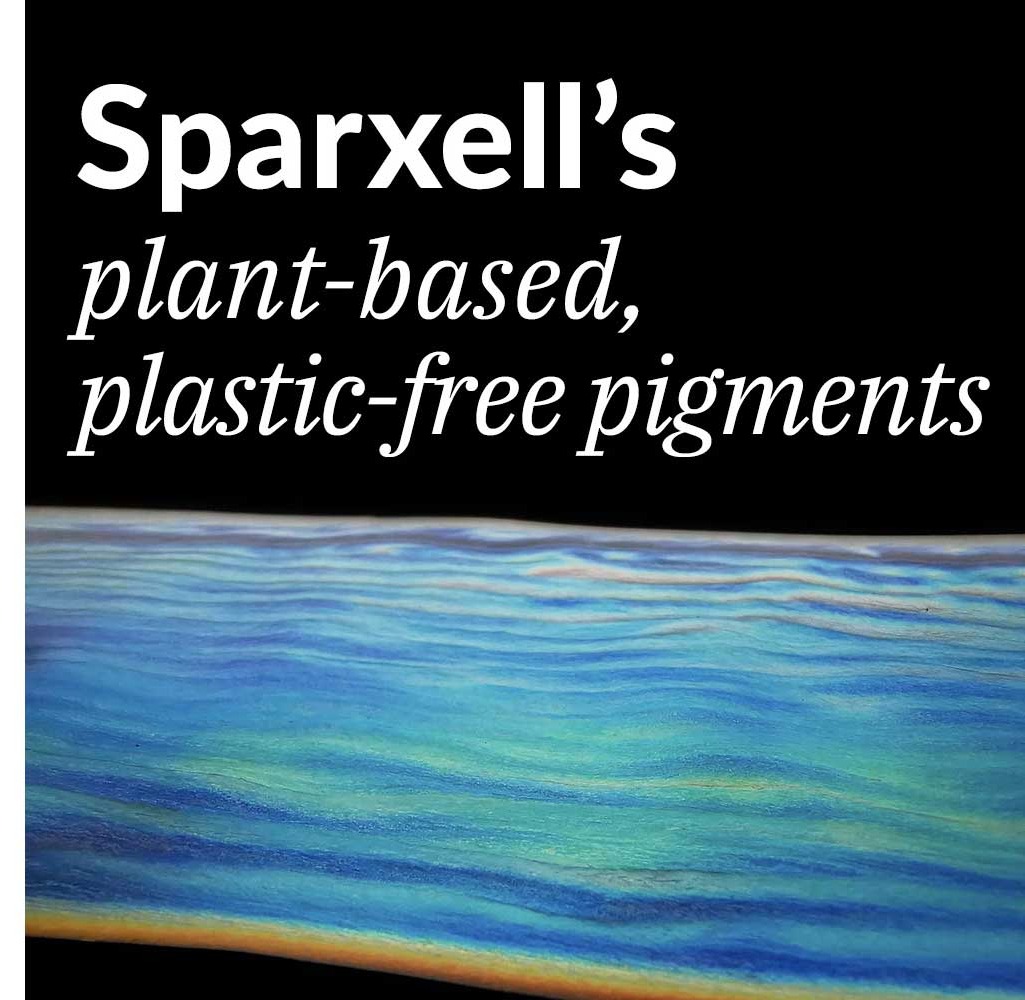
The Morpho butterfly's iridescent blue wings contain no blue pigment — the colour is created entirely by microscopic structures that interfere with light. This inspired a range of structural colour technologies that could eliminate toxic textile dyes entirely.
The dazzling blue of the Morpho butterfly is one of the most vivid colours in the animal kingdom — yet it is produced without a single blue pigment molecule. The wings are covered in microscopic scales, each containing a lattice of nano-scale ridges spaced exactly at the wavelength of blue light. These ridges reflect and reinforce specific wavelengths through thin-film interference, creating colour that is more intense than any dye and never fades.
Teijin Fibers Limited in Japan used this principle to create Morphotex — the world's first structural-colour fabric. It uses alternating layers of nylon and polyester at 70-nm thickness (about 1/1000th the width of a human hair), producing intense colour through interference rather than pigment. The fabric never fades, requires no dyeing process, and eliminates the toxic chemicals (heavy metals, azo dyes) used in conventional textile dyeing.
Qualcomm's Mirasol display technology also uses the same principle for ultra-low-power e-reader displays. A start-up called Cypris Materials is commercialising self-assembled structural colour coatings for automotive paints, eliminating the multi-stage solvent-based painting process entirely.