Environmental
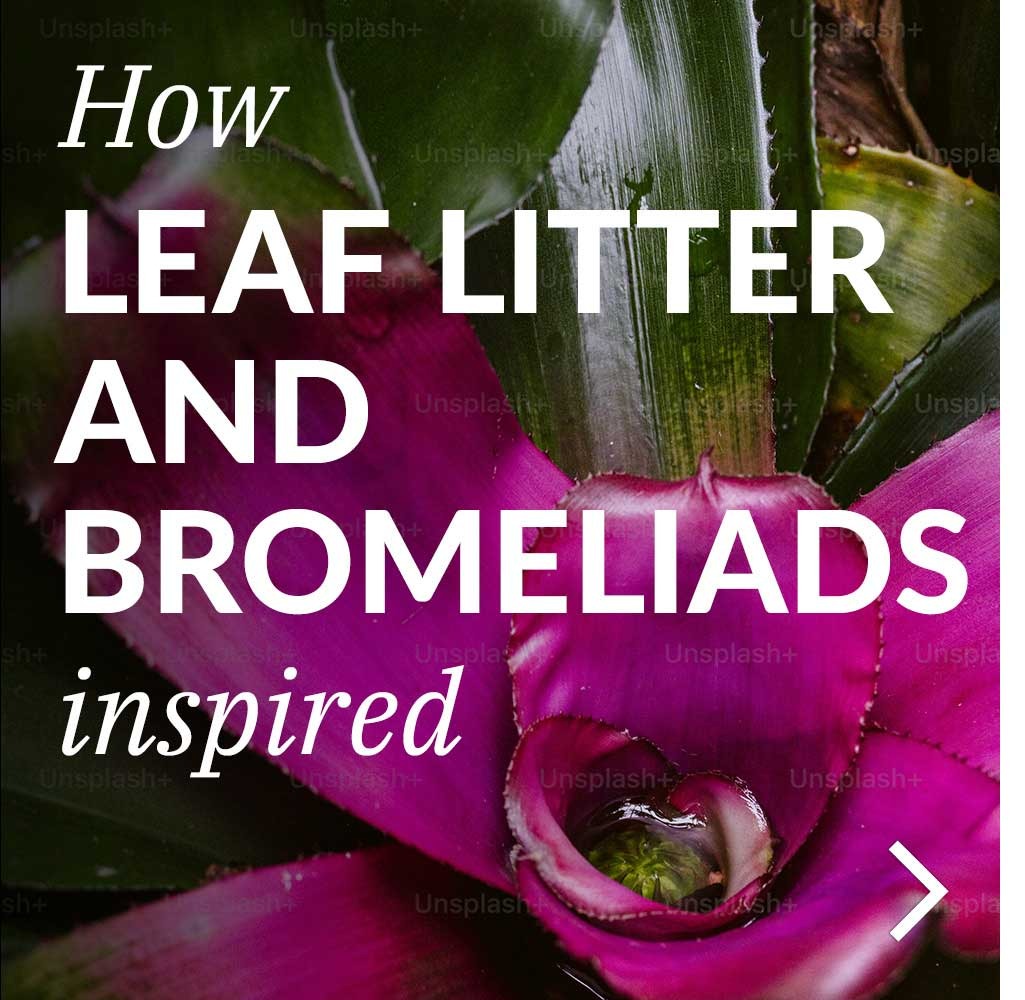
Bromeliad water-capture leaf structure, the natural model for Nucleario - Bromeliad Water Capture Reforestation
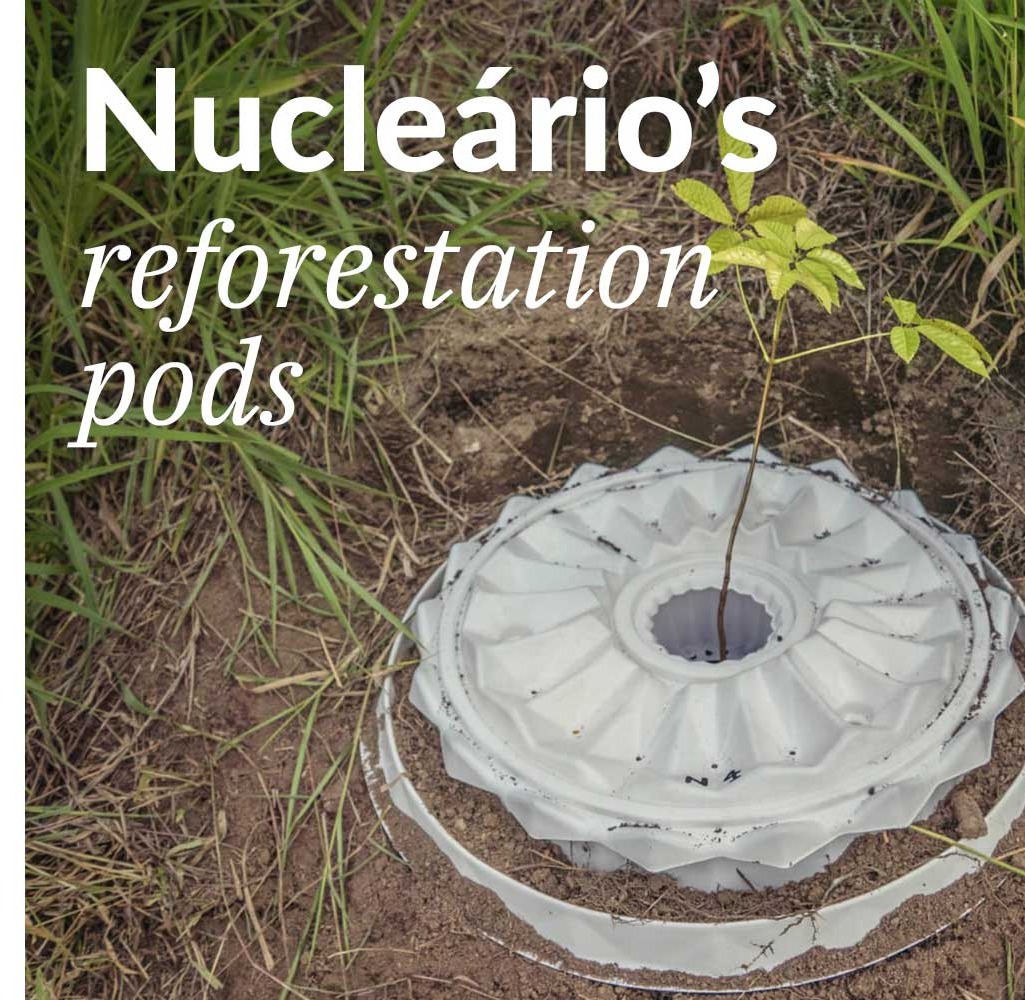
Nucleario - Bromeliad Water Capture Reforestation: the human application

Inspired by: Bromeliad water-capture leaf structure

Nucleario - Bromeliad Water Capture Reforestation

Nucleario

<10

percent seedling mortality with pods

versus 80%+ without pods in drought conditions

50-100

litres water captured per pod per year

in typical rainfall regions

5-7

year biodegradation timescale

compostible pod structure

The Problem

Reforestation efforts fail when newly planted seedlings die from water stress in degraded soils or drought-prone regions, despite adequate annual rainfall. Irrigation infrastructure is economically infeasible in remote areas. Water-harvesting mechanisms integrated into reforestation systems are needed.

Bromeliad rainwater-capture architecture inspires reforestation pods that establish seedlings in water-scarce regions without irrigation.

Bromeliads are tropical plants thriving in rainforest canopies where soil contact is impossible and water availability varies wildly. Their leaves form deep cups and channels that intercept and concentrate rainfall, creating reliable water reservoirs accessible to roots. Bromeliads exploit these microreservoirs for drinking and nutrient cycling—a survival strategy for epiphytic life. Nucleario, operating in Brazil's Atlantic Forest and Amazon regions, recognised that bromeliad architecture could solve a critical reforestation barrier: newly planted seedlings in drought-prone cleared land die from water stress despite adequate rainfall, because the timing is wrong (rains come sporadically) and the soil's water-holding capacity is depleted. The company designed reforestation 'pods'—biodegradable fibre structures mimicking bromeliad leaf geometry—that surround seedlings at planting. These pods channel falling rain into concentrated reservoirs, storing water around the seedling's roots for uptake during dry periods. Field trials in Northeast Brazil show pod-protected seedlings surviving with <10% mortality versus 80%+ for unprotected controls, even during multi-week droughts. By replicating bromeliad's water-harvesting architecture at the seedling scale, Nucleario has unlocked reforestation of degraded lands previously too arid for conventional approaches, enabling millions of trees to establish where they would otherwise perish.
Biomimicry Breakdown

The Biomimicry Analysis

How Bromeliad water-capture leaf structure translates into Nucleario - Bromeliad Water Capture Reforestation

Term
Applied to Nucleario - Bromeliad Water Capture Reforestation
Function
Seedlings in degraded soils must obtain water from sporadic rainfall despite low soil water-holding capacity. They must survive multi-week dry periods between rain events. Bromeliads overcome this through architectural water harvesting and storage.
Mechanism
Bromeliad leaves form deep cups with waxy, hydrophobic surfaces. Overlapping leaves funnel water toward central reservoirs. Specialized roots access these stored water pockets. Over time, accumulated organic matter and sediment create microhabitats within the water body, enabling nutrient cycling.
Design Principle
Design plant-support structures that capture and concentrate rainfall directly around root zones. Use hydrophobic, channeling surfaces to funnel water into storage reservoirs. Create long-term water availability without external irrigation, supporting plant establishment during dry periods.
Resulting Design
Nucleario pods channel rainfall into concentrated reservoirs surrounding seedling roots, providing water storage sufficient for multi-week dry periods. This enables successful reforestation in degraded lands, raising seedling survival rates from <20% to >90% and unlocking tree establishment in previously unsuitable areas.

Find your own nature-inspired opportunities

Inspired by Nucleario - Bromeliad Water Capture Reforestation? The Biomimicry Opportunity Map scans your company website and suggests challenges worth solving the way nature would.

Get started →

Apply This

Design Application Prompts

There's a natural world to explore

Learn to find strategies like this yourself