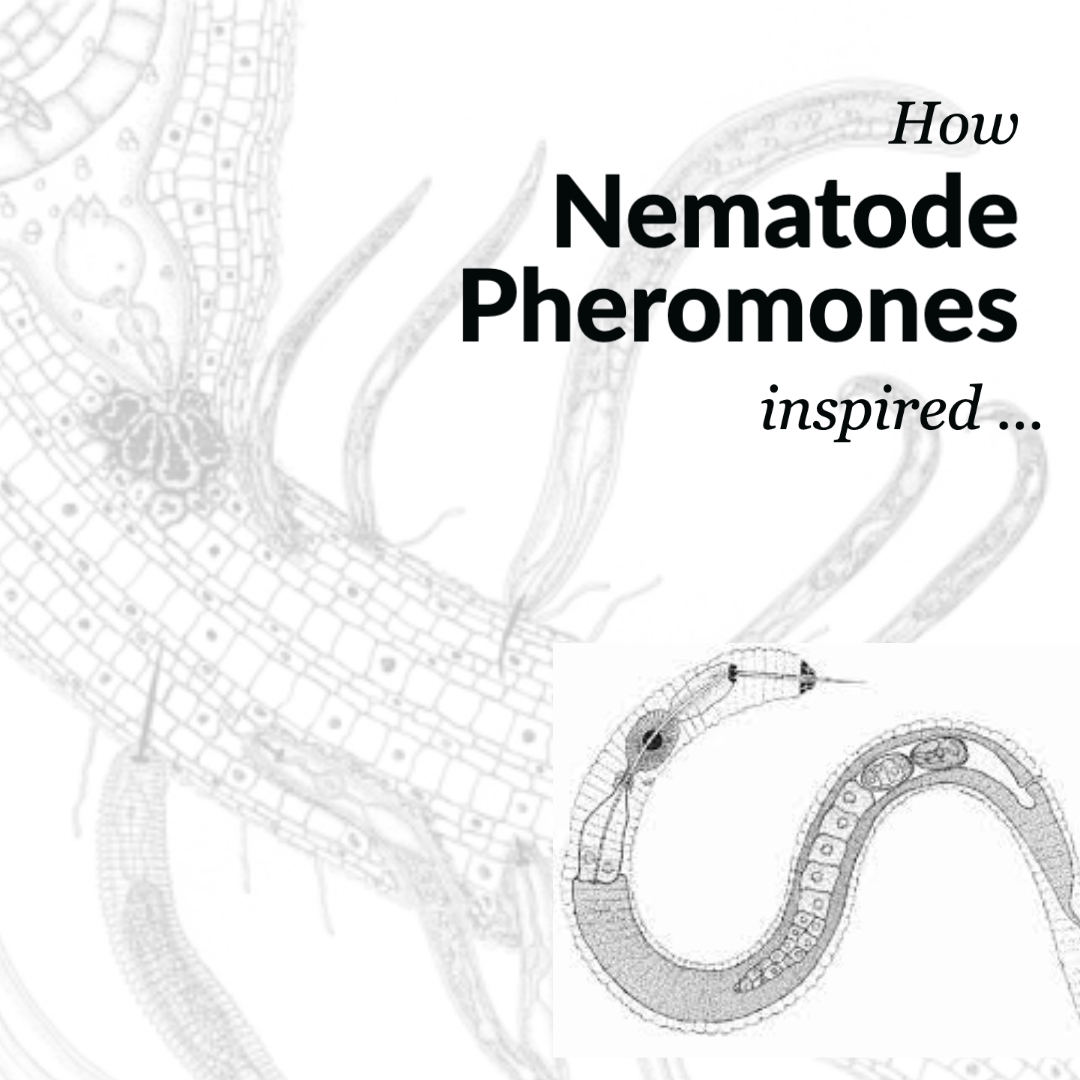
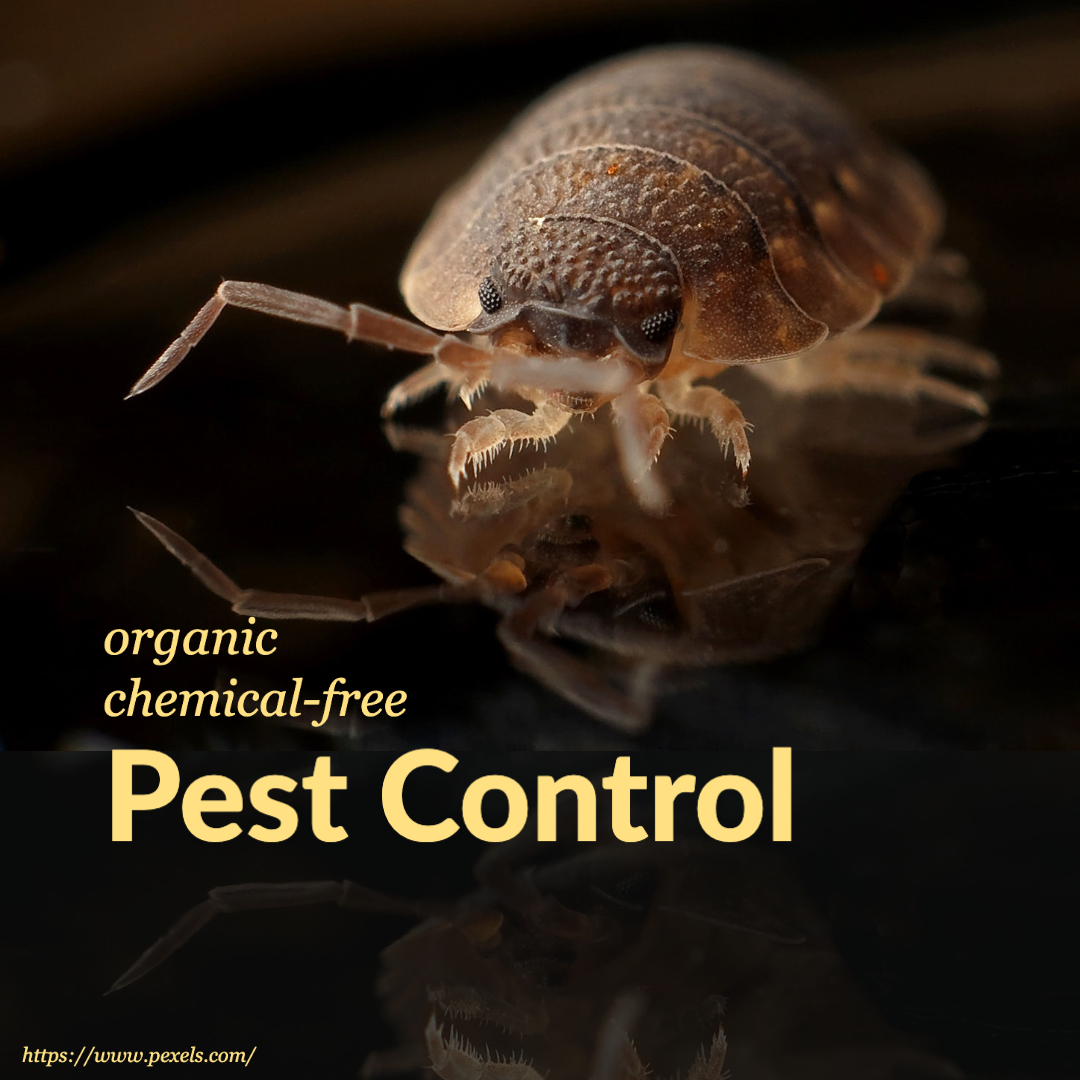
Nematode chemical signals disrupt pest behaviour without pesticides.
For millennia, agriculture has relied on synthetic pesticides to manage pest populations, yet these chemicals contaminate soil, water, and food systems whilst harming beneficial insects. Nematodes, microscopic worm-like organisms, produce sophisticated pheromone signals that naturally disrupt the mating, feeding, and navigation behaviours of agricultural pests. Scientists studying nematode communication discovered that these chemical signals could be isolated and deployed as organic alternatives to conventional pesticides. By synthesising nematode pheromones or deploying parasitic nematodes themselves, farmers now protect crops whilst maintaining ecosystem health. This biomimetic approach transforms pest management from chemical warfare into chemical communication, enabling truly chemical-free organic agriculture that preserves soil biota and produces cleaner food.