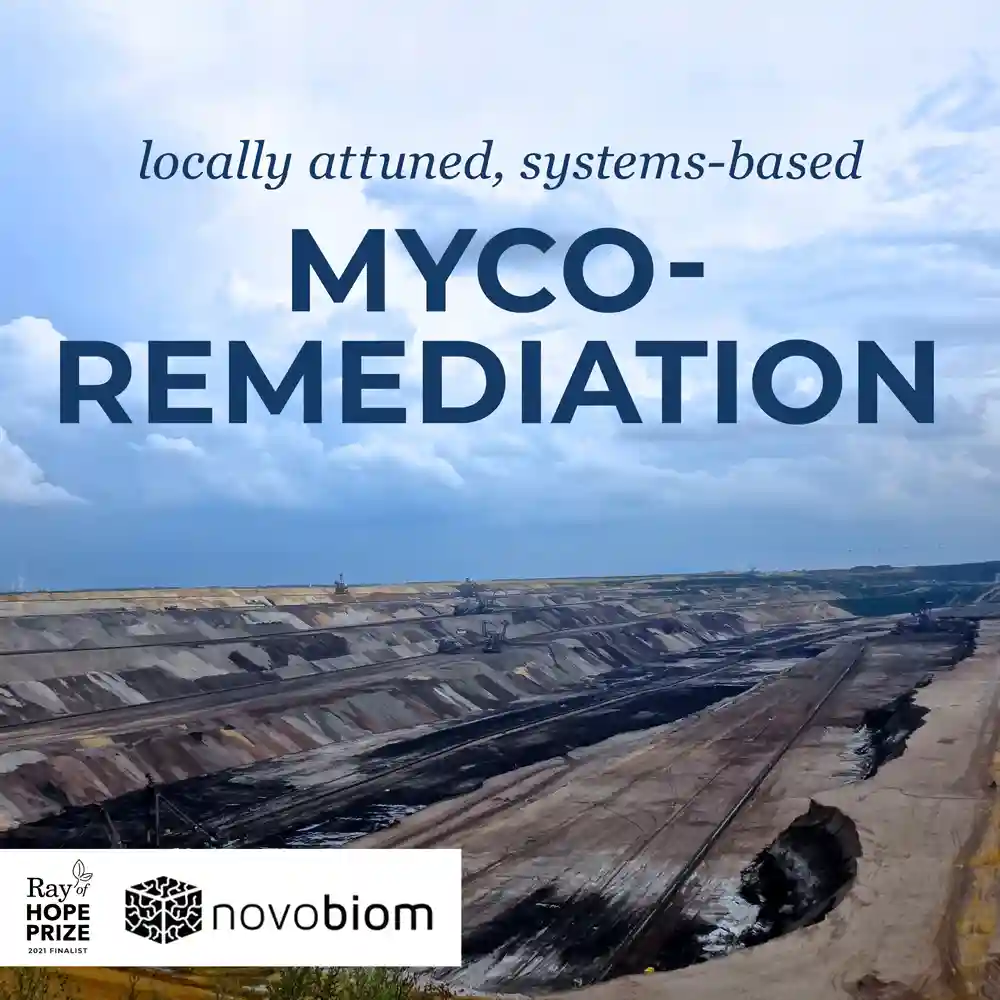
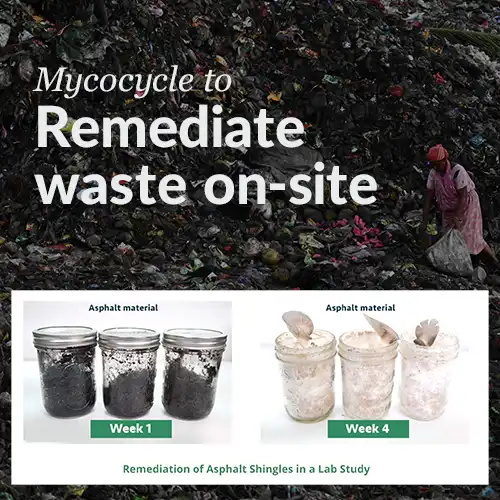
Novobiom harnesses fungal and mycelium networks to remediate contaminated industrial sites. Fungi naturally break down pollutants and absorb heavy metals, restoring soil health without excavation or chemical treatment.
Myco-remediation is the science of using fungi and fungal networks to clean contaminated soil. Many fungi produce enzymes capable of breaking down complex pollutants including petroleum hydrocarbons, pesticides, and synthetic chemicals. Some fungi accumulate heavy metals within their fruiting bodies and mycelium, effectively removing them from soil. Novobiom applies these principles at industrial scale to restore contaminated land. The process involves inoculating degraded soil with selected fungal species, then monitoring the natural decomposition process. Fungi spread through soil via mycelium networks, breaking down contaminants and absorbing heavy metals. The process is passive (requires no energy input once inoculated), cost-effective (cheaper than excavation, incineration, or chemical treatment), and results in restored soil that supports plant growth. Timelines vary by contamination type: petroleum-contaminated sites may take 2-5 years, while heavy metal absorption continues over multiple years. Novobiom has deployed myco-remediation on industrial sites, coal mines, and agricultural land contaminated by decades of pollution. The restored soil can support native vegetation, creating habitat while cleaning the landscape. This represents a paradigm shift from active chemical remediation to bio-based passive restoration. Fungi also improve soil structure by creating organic matter and beneficial microbial networks, actually enhancing soil quality beyond simple pollutant removal.