Architecture

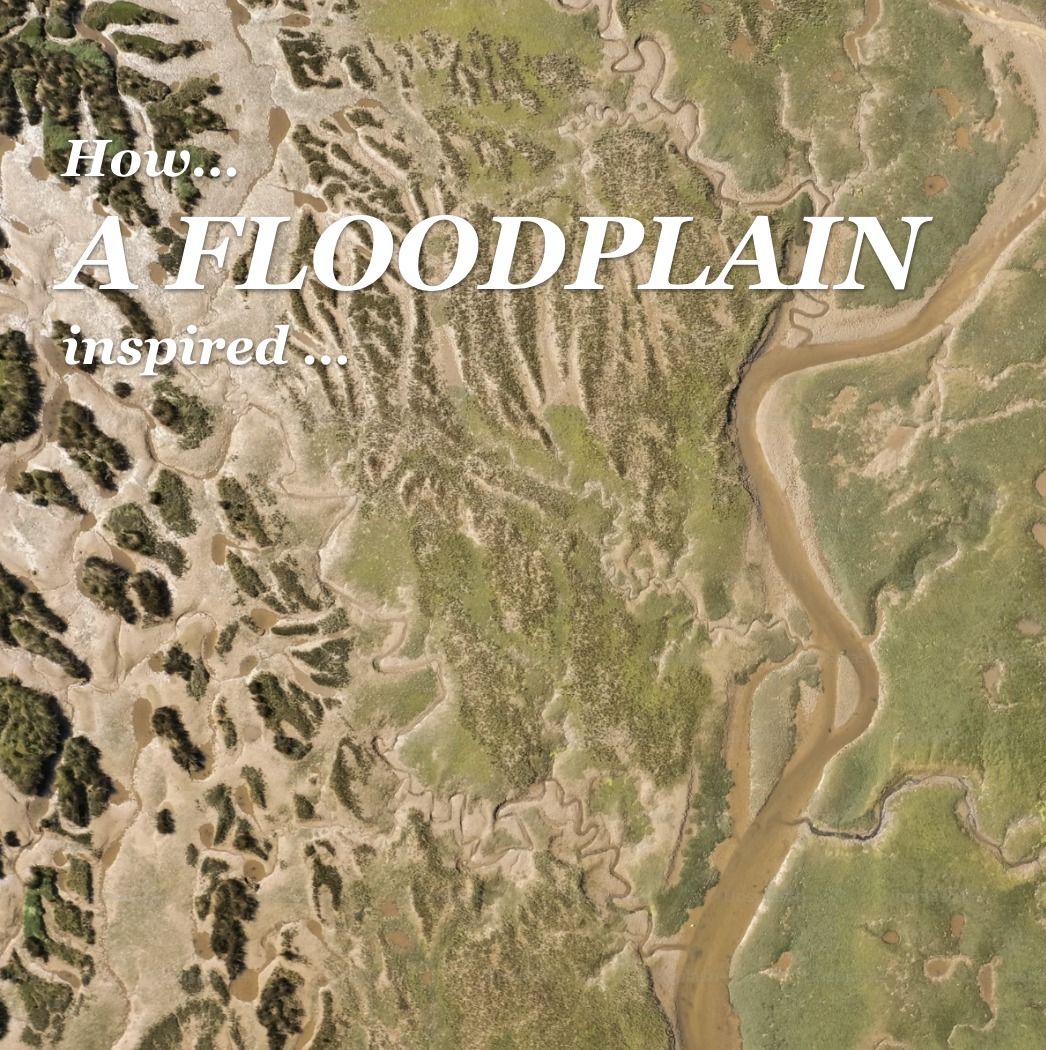
Inspired by: Bison grazing patterns and prairie wetland hydrology

Metis Crossing: Biomimetic Infrastructure Master Plan

B+H Architects

600 ha

site area

infrastructure master plan

4.6 MW

solar capacity

carbon-positive energy

circular

water strategy

wastewater wetland reuse

The Problem

Indigenous communities need infrastructure that respects and integrates with both their cultural heritage and the ecological systems they have stewarded for generations, rather than conventional development approaches that displace both.

A 600-hectare infrastructure master plan for an Indigenous Metis cultural centre in Alberta, Canada, using biomimetic strategies including bison-based regeneration and wetland restoration.

Metis Crossing is a cultural centre and gathering place for the Metis Nation of Alberta, and this 600-hectare infrastructure master plan applies biomimetic thinking to create infrastructure that works harmoniously with the land. The design team used a variety of tools including traditional indigenous knowledge to identify key environmental perturbations, future risks, and existing ecological assets. A critical innovation was leveraging traditional bison—culturally central to Metis identity—as a regenerative strategy. The plan moved infrastructure away from high-risk flood areas, enhanced regenerative strategies by reintroducing bison grazing patterns key to Metis culture, and avoided placing infrastructure in sensitive ecosystems to increase biodiversity. Existing biology was included as key assets in the overall strategy rather than obstacles to be removed. The master plan applied biomimetic thinking that bridged the culture of the Indigenous community with their built infrastructure, creating regenerative strategies including an onsite wastewater wetland to support circularity and water reuse for irrigation, an onsite regenerative food system to support food independence, and a 4.6 MW solar farm for carbon positivity.

Biomimicry Breakdown

The Biomimicry Analysis

How Bison grazing patterns and prairie wetland hydrology translates into Metis Crossing: Biomimetic Infrastructure Master Plan

Term
Applied to Metis Crossing: Biomimetic Infrastructure Master Plan
Function
Prairie ecosystems maintain productivity and resilience through the interaction of large grazing animals, fire, and hydrology, cycling nutrients and creating diverse habitat patches across vast landscapes.
Mechanism
Bison grazing creates a mosaic of short-grass, tall-grass, and recovering areas that support different species assemblages. Their wallowing creates depressions that hold water, and their dung fertilises soil. Wetlands filter and cycle water through the system.
Design Principle
Design infrastructure as an integrated component of a living landscape. Use culturally and ecologically significant organisms as active agents of regeneration. Site infrastructure to complement rather than compete with natural water and nutrient flows.
Resulting Design
A master plan that achieves carbon positivity through solar energy, water circularity through constructed wetlands, food sovereignty through regenerative agriculture, and cultural continuity through bison reintroduction—all while increasing the site's overall biodiversity.

Find your own nature-inspired opportunities

Inspired by Metis Crossing: Biomimetic Infrastructure Master Plan? The Biomimicry Opportunity Map scans your company website and suggests challenges worth solving the way nature would.

Get started →

Apply This

Design Application Prompts

There's a natural world to explore

Learn to find strategies like this yourself