Construction
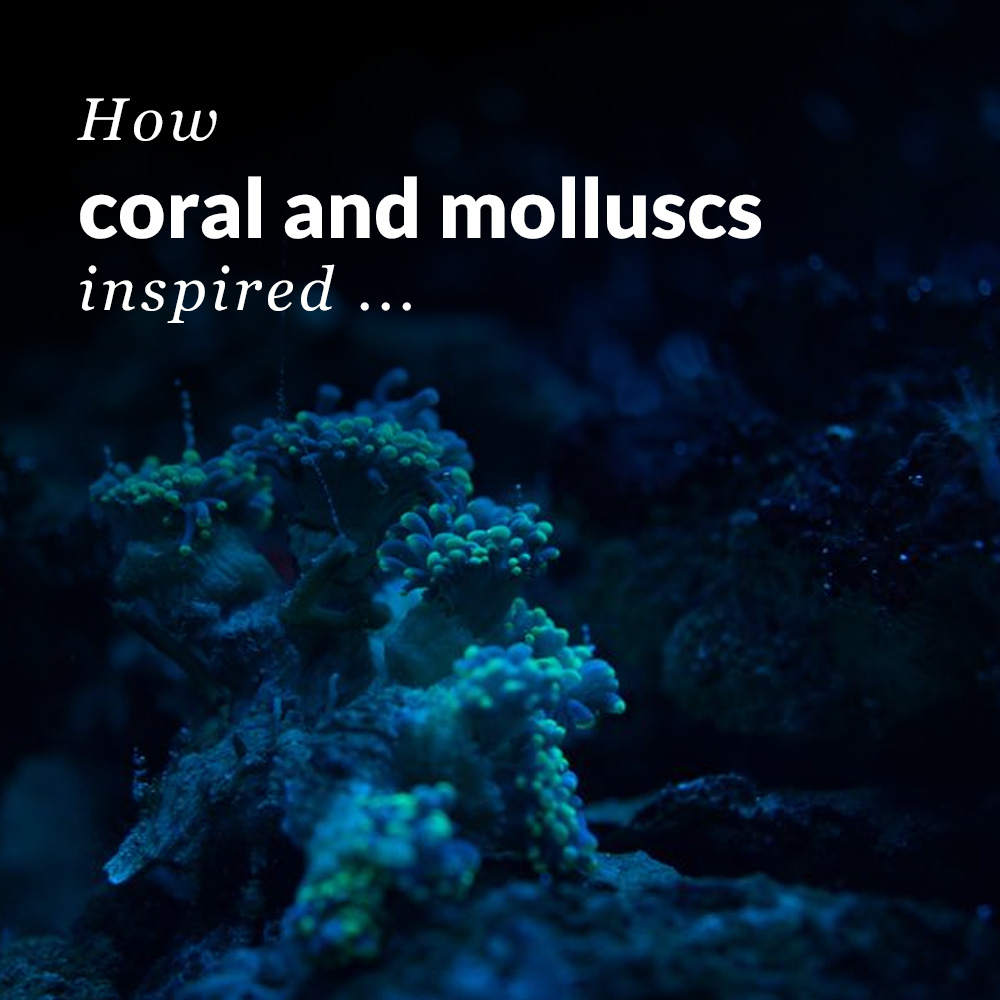
Coral / Molluscs, the natural model for Biomineralisation Cement
Biomineralisation Cement: the human application

Inspired by: Coral / Molluscs

Biomineralisation Cement

Intropic Materials

-0.8t

CO₂ per tonne of bio-cement produced

Carbon-negative reversal of the ~0.8t CO₂/t released by Portland cement production

8%

Share of global CO₂ emissions from Portland cement

Scale of the market the platform addresses

20°C

Operating temperature for biomineralisation

Ambient-temperature process versus 1450°C for conventional cement kilns

The Problem

Portland cement production accounts for roughly 8 percent of global CO₂ emissions due to the high-temperature decomposition of limestone — a thermodynamic process that releases stored carbon rather than fixing it.

Microbial carbonate precipitation replaces kiln-fired Portland cement

Portland cement production is responsible for approximately 8 percent of global CO₂ emissions — more than aviation and shipping combined. The problem is thermodynamic: limestone (CaCO₃) must be heated to 1450°C to decompose it into lime (CaO), releasing the CO₂ that was locked in the rock. That CO₂ is then cast into the atmosphere rather than into the concrete itself. Every tonne of cement clinker produced releases roughly 0.8 tonnes of CO₂, most of it from the chemical decomposition reaction rather than fuel combustion.

Corals and molluscs make calcium carbonate at ambient temperature by doing the thermodynamic process in reverse: they extract dissolved calcium and bicarbonate ions from seawater and use organic matrix proteins to nucleate and organise crystal growth. The CO₂ is fixed rather than released, and the resulting material is often stronger and tougher than geologically compressed limestone. The entire process runs at body temperature with no kiln.

Intropic Materials is developing a microbial cement that mimics biomineralisation. Engineered bacteria are applied to aggregate or injected into sub-surface formations; they catalyse the precipitation of calcium carbonate from dissolved minerals, binding particles together at ambient temperature. Unlike existing microbially induced calcite precipitation (MICP) technology, Intropic's platform controls crystal morphology through secreted organic matrices — replicating the shell-forming mechanism of molluscs to produce denser, stronger, and more predictable mineral bonds.

The carbon arithmetic is structurally reversed: rather than releasing CO₂ from limestone, Intropic's process draws dissolved inorganic carbon from water or soil and locks it into solid mineral. In principle, every tonne of bio-cement produced is carbon-negative — a complete inversion of the conventional cement life-cycle. Pilot projects are targeting ground stabilisation and road-base applications before moving to structural concrete markets.
Biomimicry Breakdown

The Biomimicry Analysis

How Coral / Molluscs translates into Biomineralisation Cement

Term
Applied to Biomineralisation Cement
Function
Corals and molluscs precipitate calcium carbonate at ambient temperature and pressure using organic matrix proteins that nucleate and organise crystal growth — sequestering CO₂ and producing strong, tough mineral structures without kilns.
Mechanism
Engineered bacteria applied to aggregate or soil catalyse calcium carbonate precipitation from dissolved minerals; secreted organic matrices control crystal morphology, producing dense mineral bonds that replicate the microstructure of shell nacre.
Design Principle
Reversing cement thermodynamics: instead of decomposing limestone at 1450°C to release CO₂, microbial biomineralisation fixes dissolved inorganic carbon into solid mineral at ambient temperature — making each unit of material carbon-negative rather than carbon-emitting.
Resulting Design
A carbon-negative cement substitute that hardens at ambient temperature, sequesters rather than emits CO₂, and produces mineral bonds approaching the fracture toughness of biologically formed shells — targeting ground stabilisation and ultimately structural concrete.

Find your own nature-inspired opportunities

Inspired by Biomineralisation Cement? The Biomimicry Opportunity Map scans your company website and suggests challenges worth solving the way nature would.

Get started →

Apply This

Design Application Prompts

There's a natural world to explore

Learn to find strategies like this yourself