
PolyGone Systems: Remove microplastics from the world's waters
PolyGone Systems: Remove microplastics from the world's waters Microplastics are tiny, but they are a huge problem for our water.
Industry · 5 examples
5 nature-inspired innovations in water treatment, each traced from the organism to the design principle behind it.
PolyGone Systems: Remove microplastics from the world's waters Microplastics are tiny, but they are a huge problem for our water.

Fog-harvesting beetle (Stenocara gracilipes)
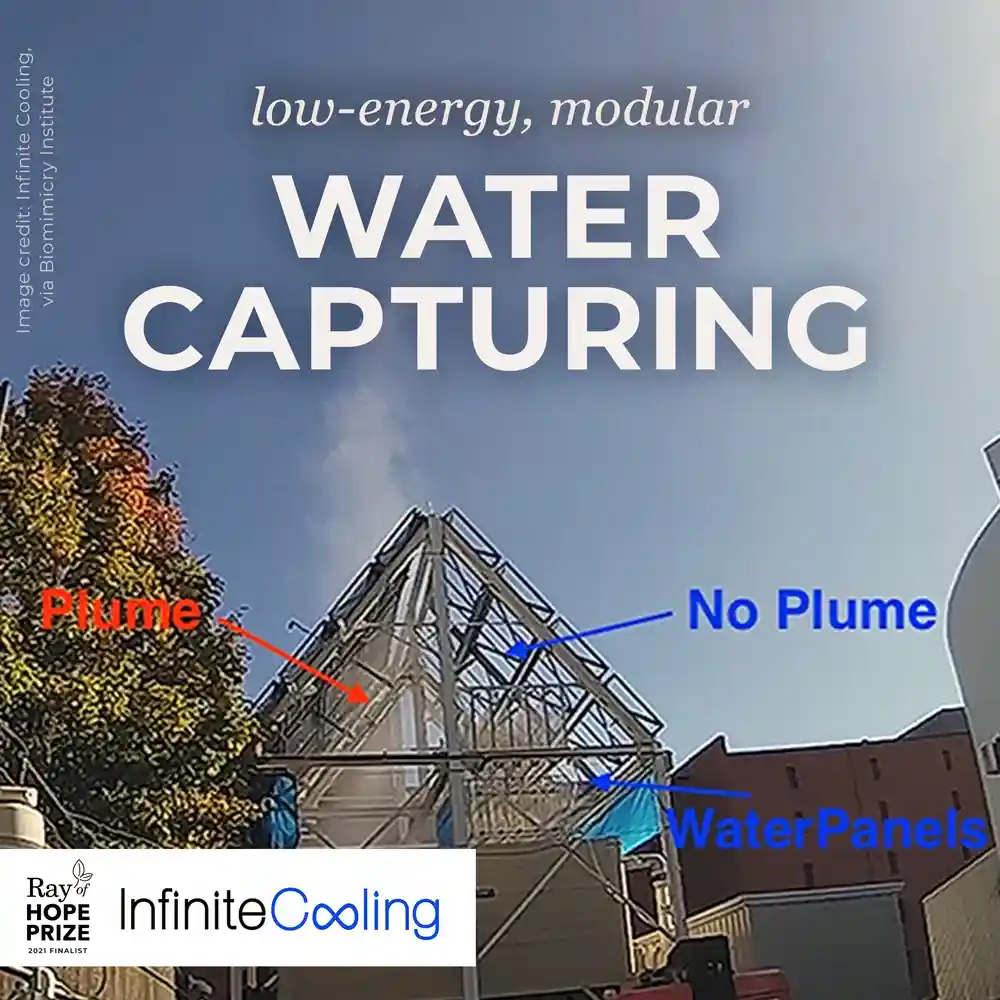
Infinite Cooling developed fog harvesting technology inspired by the fog-harvesting beetle. Microscopic surface patterns collect water from fog without energy input, enabling water collection in arid regions.
Diatoms (Bacillariophyceae class)
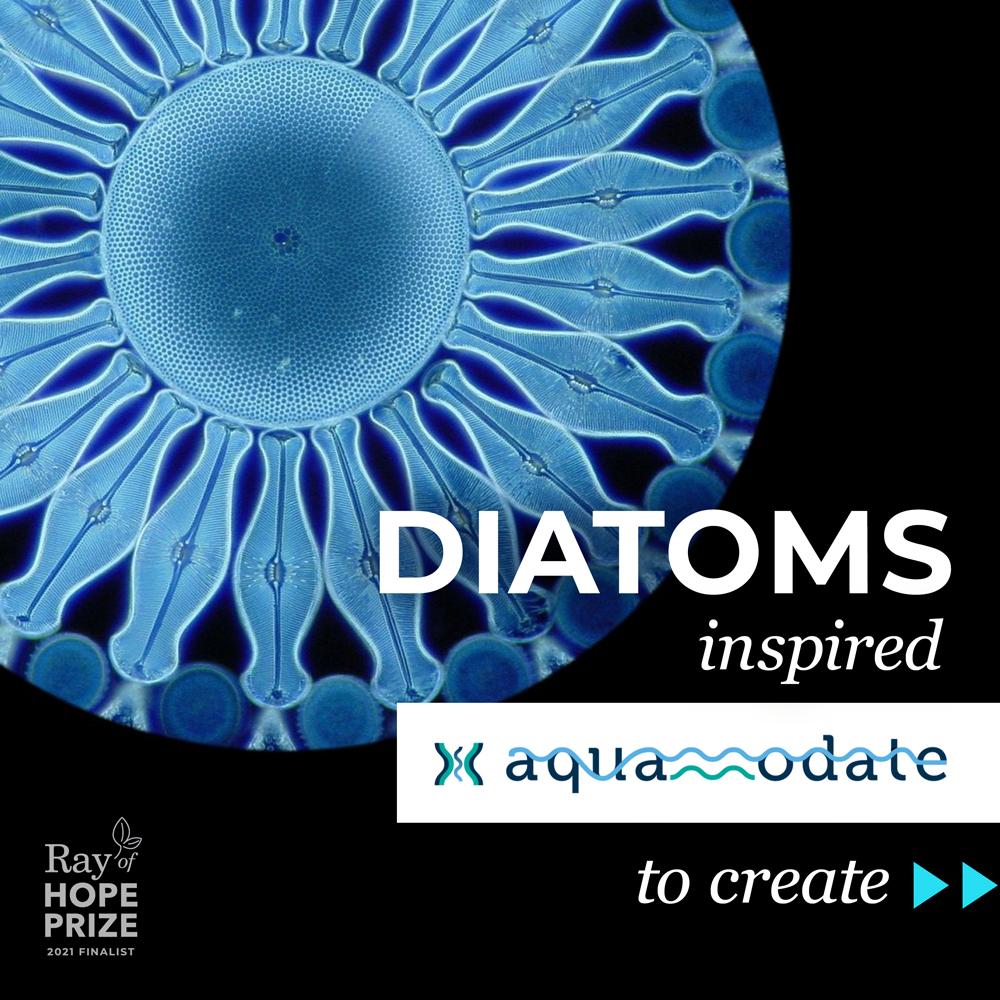
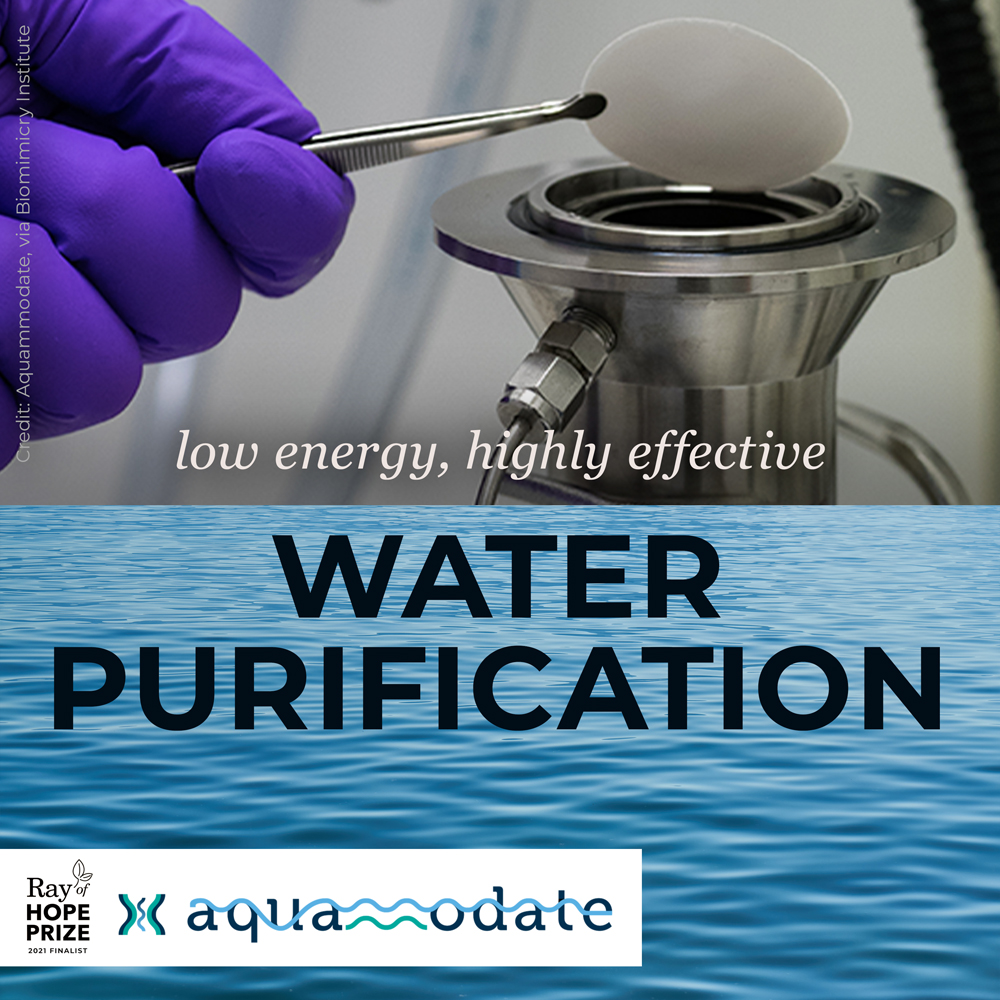
Aquammodate harnesses diatom algae for water purification. Diatoms naturally filter and clean water while removing contaminants and accumulating nutrients, enabling low-cost, low-energy water treatment.


Namibian fog-basking beetle (Stenocara gracilipes)
This water amphitheatre mimics the Namibian fog-basking beetle's water harvesting mechanism, using hydrophilic/hydrophobic surfaces to condense atmospheric moisture into freshwater with 10x energy savings for desalination.

Saguaro cactus (Carnegiea gigantea)
Cactus spines collect water from morning fog by using a gradient of surface chemistry and microstructure from tip to base, directing water droplets toward the stem. Researchers are now incorporating this principle into building facade cladding panels that harvest atmospheric water in arid climates.
More by industry
For R&D and product teams