Organisational Design
Ecosystems (multiple species interdependence), the natural model for Ecosystems: Cardboard to Caviar Closed-Loop Model
Ecosystems: Cardboard to Caviar Closed-Loop Model: the human application

Inspired by: Ecosystems (multiple species interdependence)

Ecosystems: Cardboard to Caviar Closed-Loop Model

Green Business Network, Graham Wiles

The Problem

Industrial processes generate waste streams that go to landfills; linear economy is unsustainable.

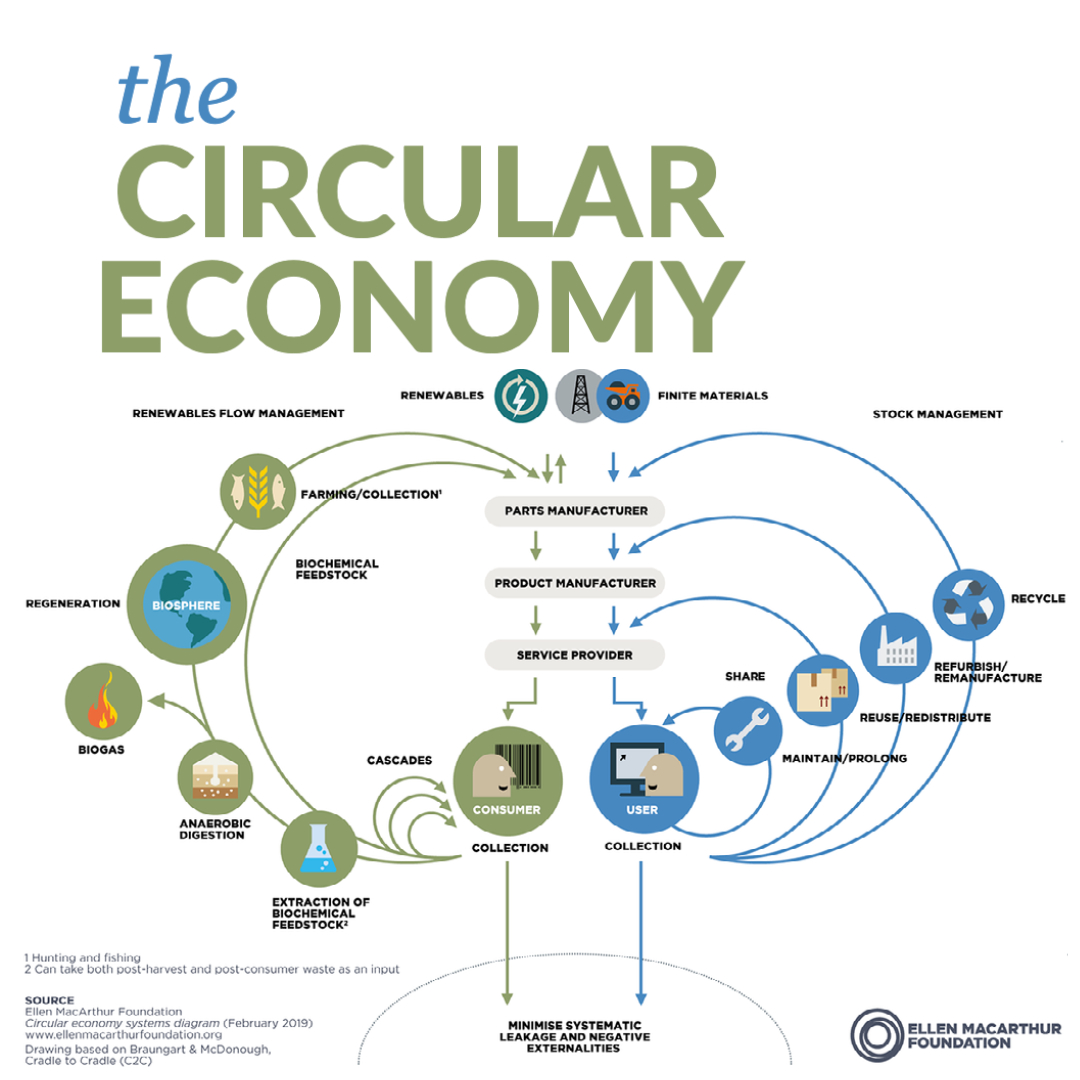
Closed-loop business model developed by the Green Business Network and Graham Wiles that cascades waste from one production stage to become input for another.

This pioneering work demonstrates how industrial ecosystems can mimic natural ones. Cardboard waste becomes fish feed, fish waste becomes caviar production and other value streams in an integrated system where each organism's waste feeds another's input, similar to nutrient cycling in natural ecosystems.

Biomimicry Breakdown

The Biomimicry Analysis

How Ecosystems (multiple species interdependence) translates into Ecosystems: Cardboard to Caviar Closed-Loop Model

Term
Applied to Ecosystems: Cardboard to Caviar Closed-Loop Model
Function
Mimics ecosystem material cycling to eliminate waste in industrial production.
Mechanism
Sequential production stages where one industry's waste becomes another's resource.
Design Principle
Waste equals food; design interconnected systems where everything is valued.
Resulting Design
Zero-waste industrial ecosystem generating multiple revenue streams.

Find your own nature-inspired opportunities

Inspired by Ecosystems: Cardboard to Caviar Closed-Loop Model? The Biomimicry Opportunity Map scans your company website and suggests challenges worth solving the way nature would.

Get started →

Apply This

Design Application Prompts

There's a natural world to explore

Learn to find strategies like this yourself