Architecture
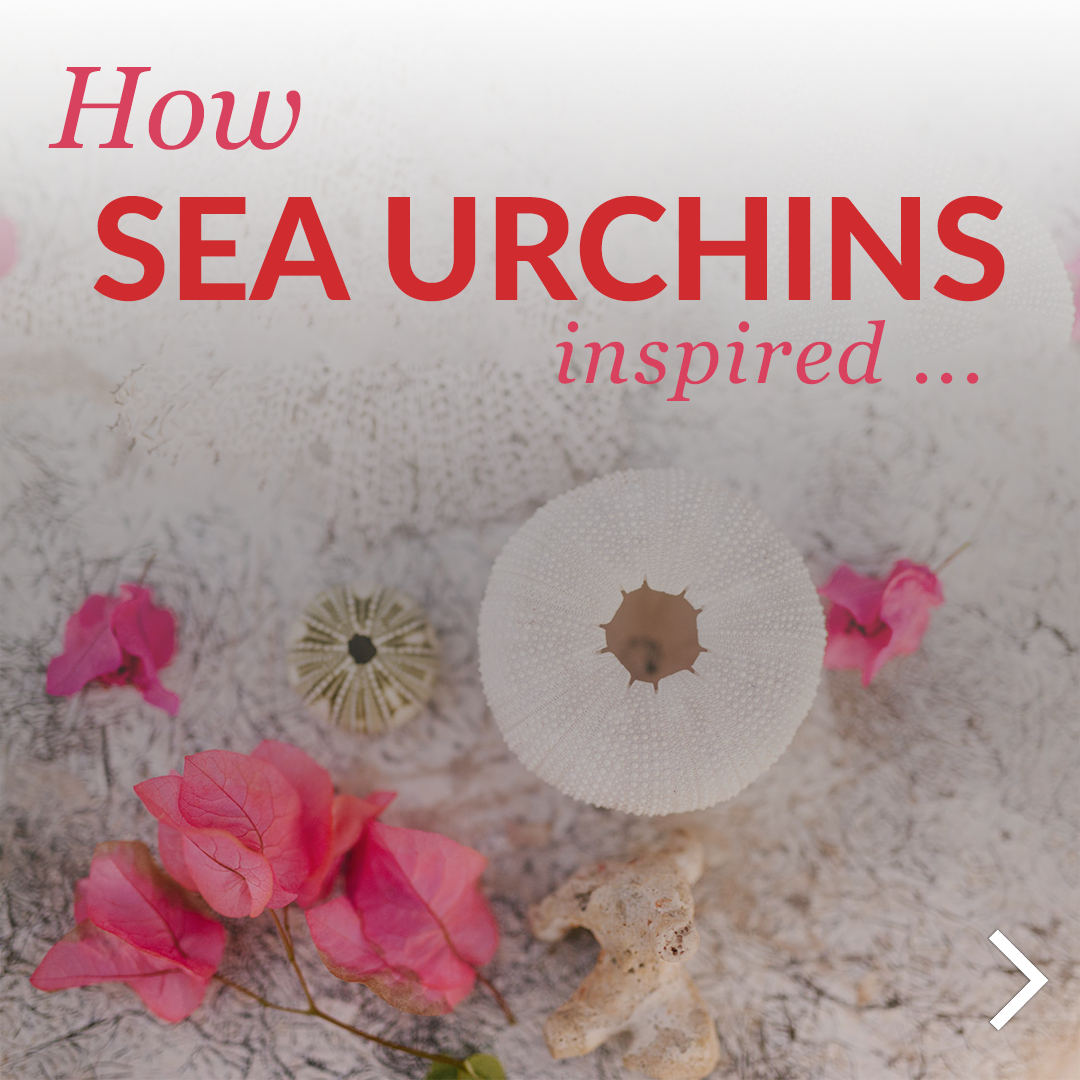
Sea Urchin structure, the natural model for BUGA Wood Pavilion
BUGA Wood Pavilion: the human application

Inspired by: Sea Urchin structure

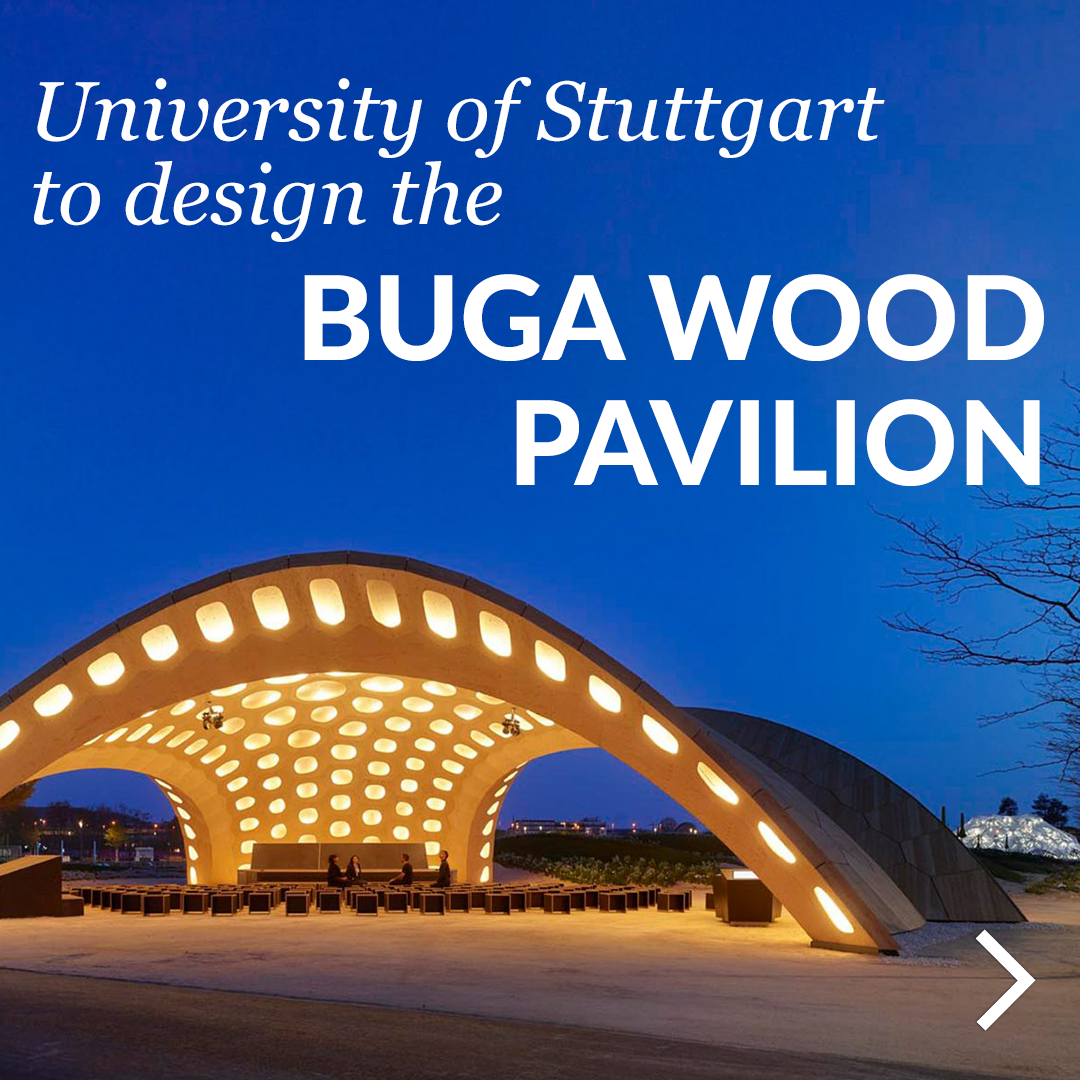
BUGA Wood Pavilion

University of Stuttgart

The Problem

Temporary structures often use inefficient designs or excessive material. Understanding biological structures could improve temporary architecture efficiency.

The BUGA Wood Pavilion at the University of Stuttgart inspired by sea urchin structures for lightweight and efficient temporary architecture.

The BUGA (Bundesgartenschau) Wood Pavilion, a temporary structure at the University of Stuttgart, was inspired by sea urchin skeletal structures. Sea urchins have remarkable shell structures - they're strong yet lightweight, created from calcium carbonate plates arranged in a sophisticated pattern. The wood pavilion translates this principle into wooden structural systems using similar patterning and organization. The project demonstrates how nature's structural solutions can inform temporary architecture and structural efficiency.

Biomimicry Breakdown

The Biomimicry Analysis

How Sea Urchin structure translates into BUGA Wood Pavilion

Term
Applied to BUGA Wood Pavilion
Function
Create a temporary pavilion using sea urchin structure principles for efficiency
Mechanism
Wooden structure mimicking sea urchin plate arrangement and patterning
Design Principle
Structure - biomimetic patterning for lightweight strength
Resulting Design
Temporary pavilion demonstrating biomimetic structural efficiency

Find your own nature-inspired opportunities

Inspired by BUGA Wood Pavilion? The Biomimicry Opportunity Map scans your company website and suggests challenges worth solving the way nature would.

Get started →

Apply This

Design Application Prompts

There's a natural world to explore

Learn to find strategies like this yourself