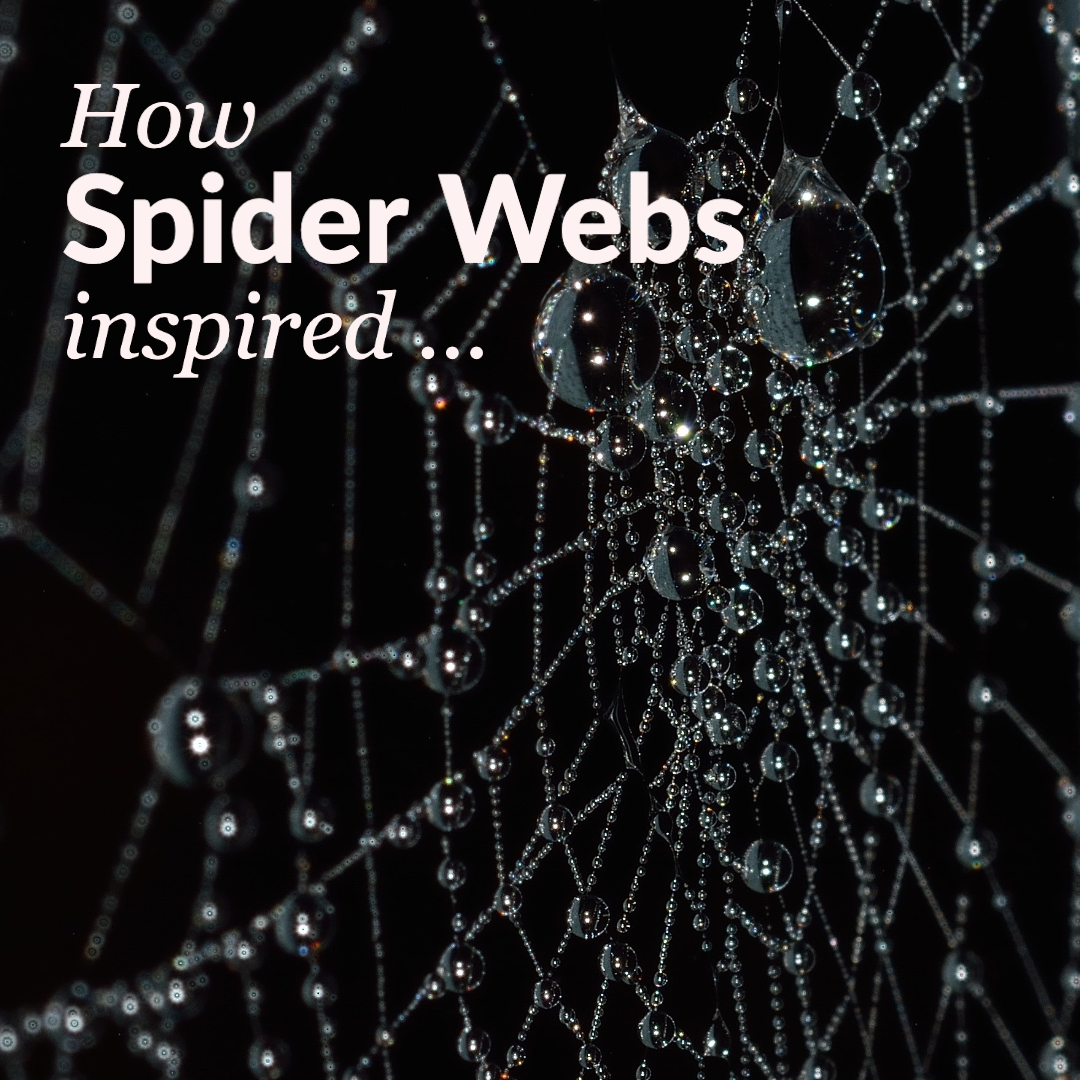
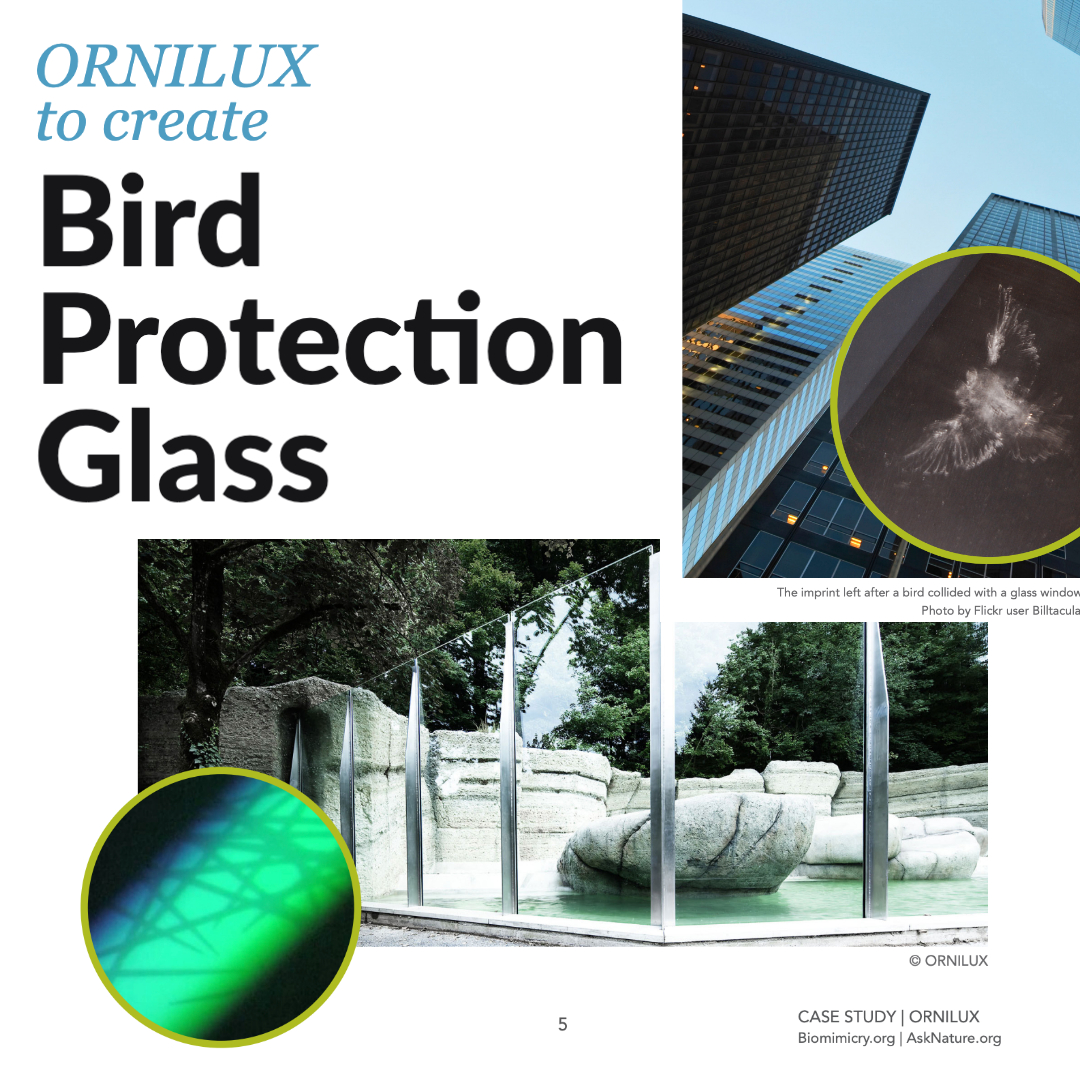
Spiders add UV-reflective silk to webs. Birds see UV. 1 billion birds die from glass strikes yearly.
Spiders inadvertently engineer visible webs by adding UV-reflective silk strands—a strategy that helps birds and insects perceive the danger and avoid collision. This ultraviolet visibility is invisible to humans but profoundly visible to birds and many insects. Building glass is invisible to avian vision because it lacks ultraviolet reflectivity, causing birds to perceive glass panes as open space. One billion birds die annually from collisions with invisible glass, a staggering toll that far exceeds predation, wind turbines, and vehicle strikes. Ornilux recognised that spider web UV-reflectivity principle could save bird lives. The company engineered glazing that incorporates UV-reflective patterns at spider-web spacing, making glass visible to birds whilst remaining aesthetically transparent to human perception. Birds perceive the patterns as barriers and avoid collision. Ornilux glass reduces bird strike mortality by 90%+ without compromising human architectural vision. This elegant application demonstrates that biomimicry need not be complex—nature's simplest strategies (adding UV-visible markers) translate directly to engineering solutions that address the most significant human-wildlife collision problem.