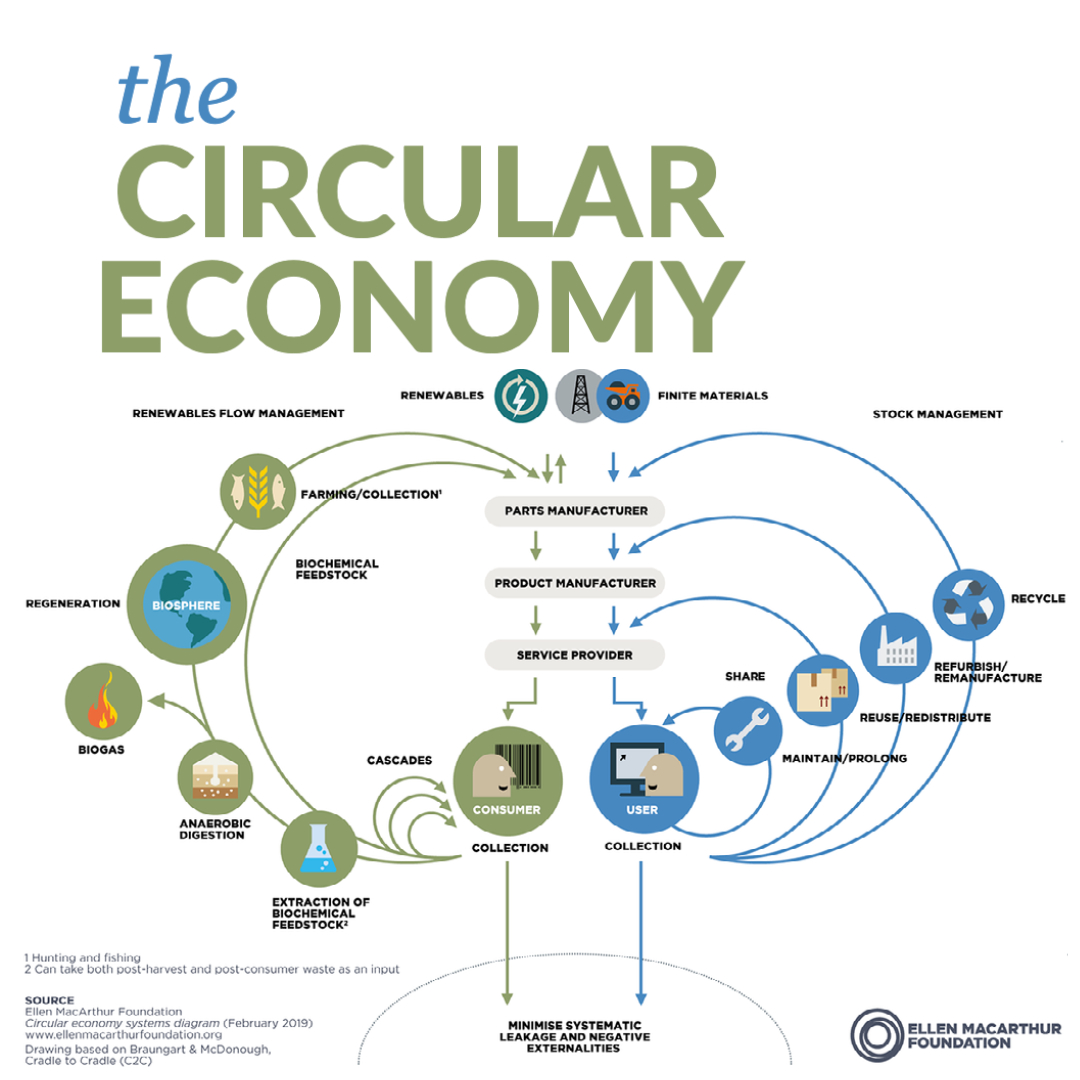
Bioteams Design develops organizational structures using natural feedback loop principles. Teams self-regulate through information feedback, enabling adaptive response without micromanagement.
Natural systems maintain stability and adapt through feedback loops. Ecosystems regulate themselves through predator-prey dynamics, nutrient cycling, and population feedback. Organisms maintain homeostasis through hormone cycles, nervous system feedback, and immune responses. These feedback systems enable stable, adaptive systems without central control. Bioteams Design applies feedback loop principles to organizational design: teams receive information about outcomes, customer response, performance metrics, and ecological impact. This information flows through the team system (like hormones or signals in biological systems), enabling teams to self-regulate behavior and adapt to changing conditions. Traditional organizations use command-and-control structures where leaders make decisions and workers execute. Bioteams structures create feedback flows enabling teams to make local decisions based on real-time information. Teams see how their work affects customers, communities, ecosystem, and other teams, enabling intelligent adaptation. This requires transparent information systems, psychological safety for teams to take action, and trust that good feedback will drive good decisions. Organizations implementing feedback-loop thinking typically show improved agility, faster problem-solving, and better adaptation to changing conditions. The approach is similar to other Bioteams applications but specifically emphasizes feedback loop mechanisms as the organizing principle. Implementation challenges include designing information systems that accurately convey ecosystem and stakeholder impact, building trust in distributed decision-making, and maintaining coherent organizational direction without central authority.