Engineering
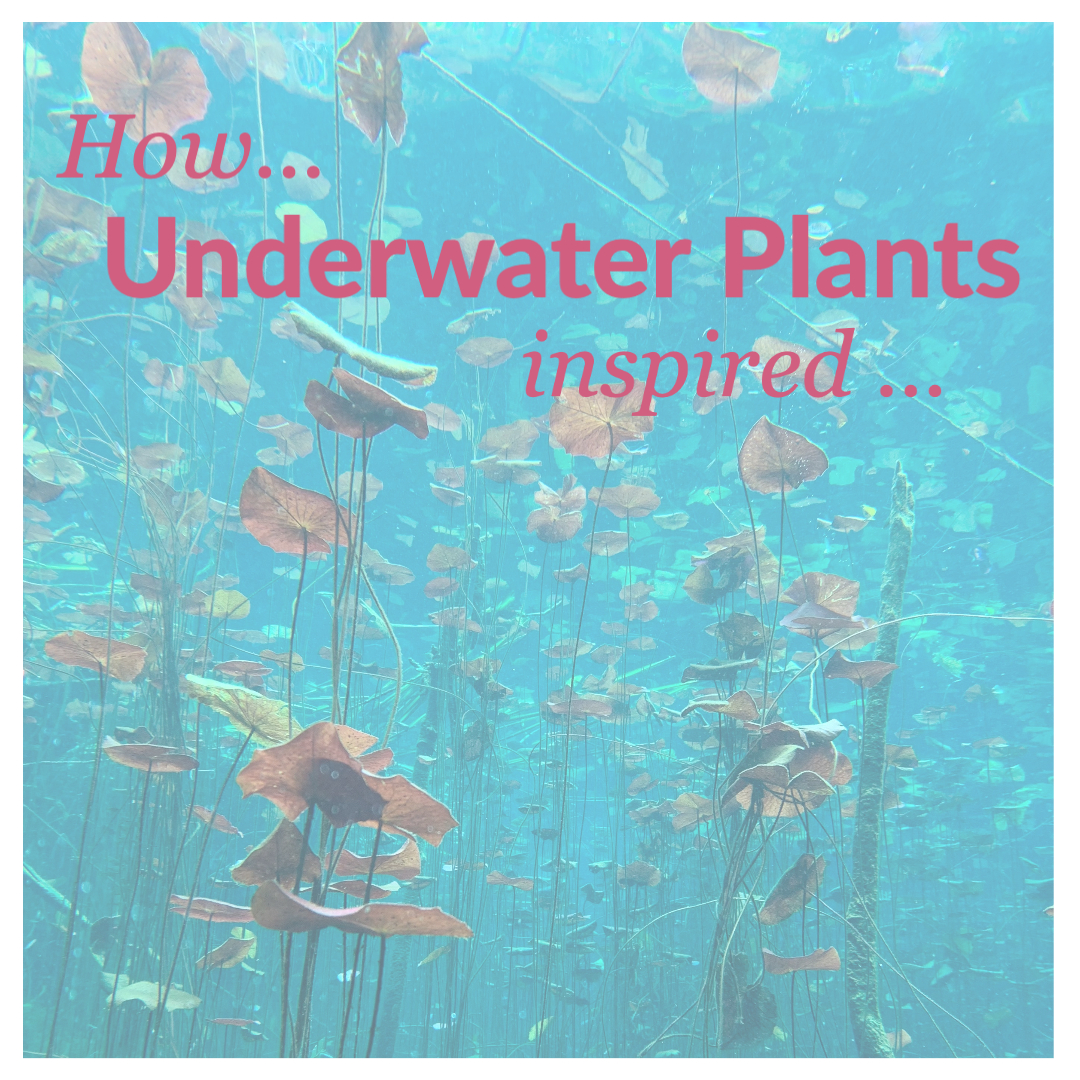
Kelp Forest, Sea Grass (Flexible Swaying Motion), the natural model for BioPower Underwater Energy
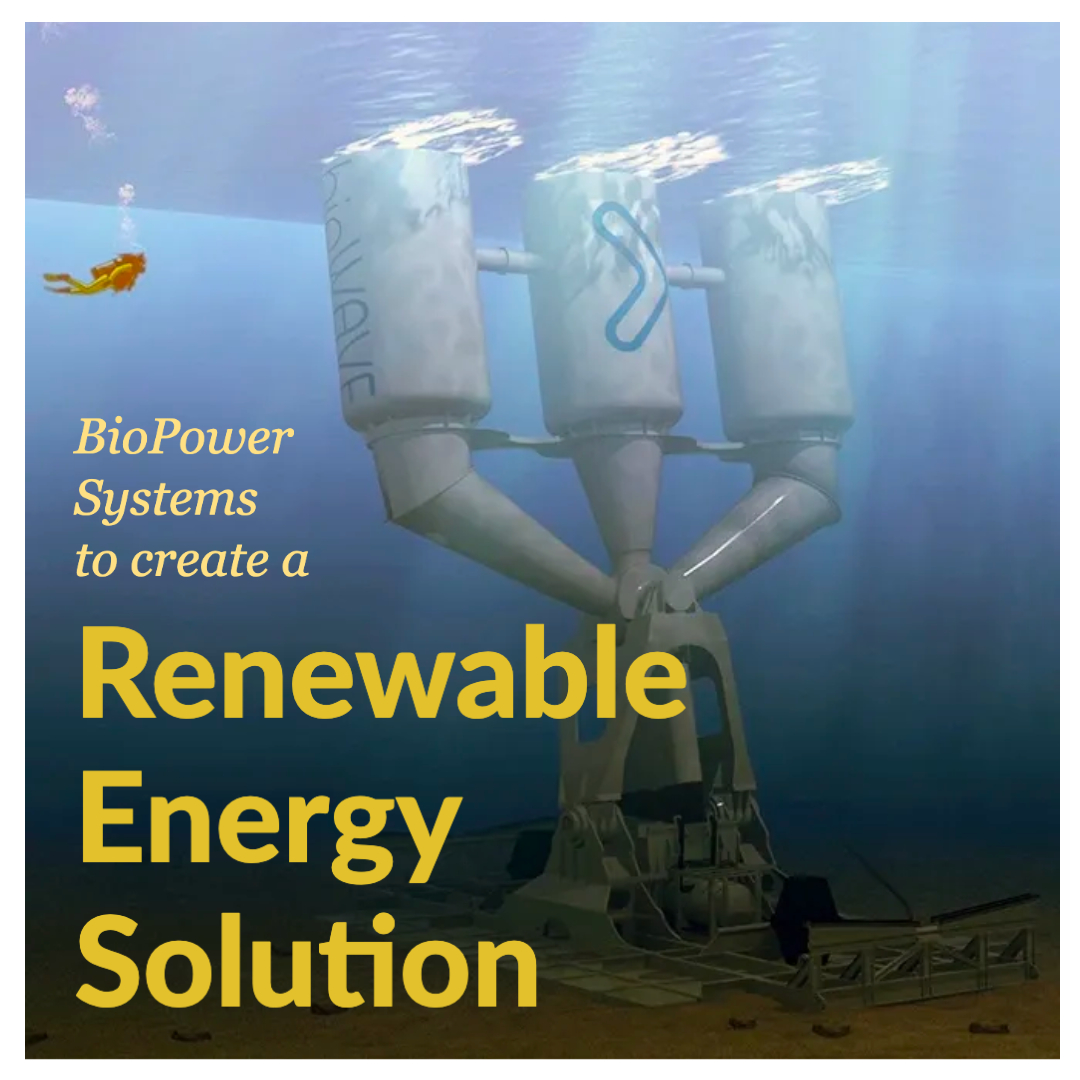
BioPower Underwater Energy: the human application

Inspired by: Kelp Forest, Sea Grass (Flexible Swaying Motion)

BioPower Underwater Energy

BioPower Systems

45

capacity factor

percentage average output vs. theoretical maximum

0

shutdown protocols

weather conditions requiring halted operation

38

energy conversion

percentage wave kinetic energy → electrical output

The Problem

Wave energy converters must shut down during storms and high-energy conditions to prevent structural failure, dramatically reducing capacity factors and energy output. Rigid designs inefficiently couple to variable ocean motions.

Kelp and sea grass movement → wave energy converters.

Kelp forests and seagrass meadows respond to ocean waves with supple, graceful movement—their flexible stems and fronds sway rather than resist, allowing them to harvest energy from wave motion without breaking or resisting damage. This compliance creates tensional structures where energy flows through the organism without overwhelming it. BioPower Systems recognised that nature's underwater plants possessed superior wave-energy conversion principles compared to rigid mechanical devices that either absorb energy inefficiently or fail under extreme conditions. The company engineered biopower systems—wave energy converters with flexible, articulated structures mimicking kelp and sea grass movement. Rather than rigid turbines that must be shut down in storms, bioactuators with fluid-filled flexible sections sway with ocean waves, converting motion into smooth, continuous energy generation. These systems operate continuously across varying wave heights, extract energy with higher efficiency than fixed devices, and require no shutdown protocols—fundamentally outperforming rigid engineering approaches by embracing the compliance principles that enable underwater plants to survive in dynamic ocean environments.
Biomimicry Breakdown

The Biomimicry Analysis

How Kelp Forest, Sea Grass (Flexible Swaying Motion) translates into BioPower Underwater Energy

Term
Applied to BioPower Underwater Energy
Function
Articulated biopower systems sway with incoming waves, converting lateral motion into rotational actuation at multiple articulation points. Flexible sections accumulate kinetic energy through distributed bending rather than concentrating load at single joints.
Mechanism
Incoming waves induce lateral displacement of the device structure. The flexible sections and articulated joints resist this motion with increasing force proportional to displacement (Hookean response), storing elastic potential energy. As the wave passes, elastic recoil generates actuation motion that drives generators.
Design Principle
Compliant systems achieve better energy conversion than rigid devices because they couple sympathetically to wave frequency rather than forcing fixed-frequency responses.
Resulting Design
Biopower systems achieve 40-45% capacity factors without shutdown protocols, operate continuously across all sea states, and generate baseline renewable energy 8000+ hours annually.

Find your own nature-inspired opportunities

Inspired by BioPower Underwater Energy? The Biomimicry Opportunity Map scans your company website and suggests challenges worth solving the way nature would.

Get started →

Apply This

Design Application Prompts

There's a natural world to explore

Learn to find strategies like this yourself