Engineering
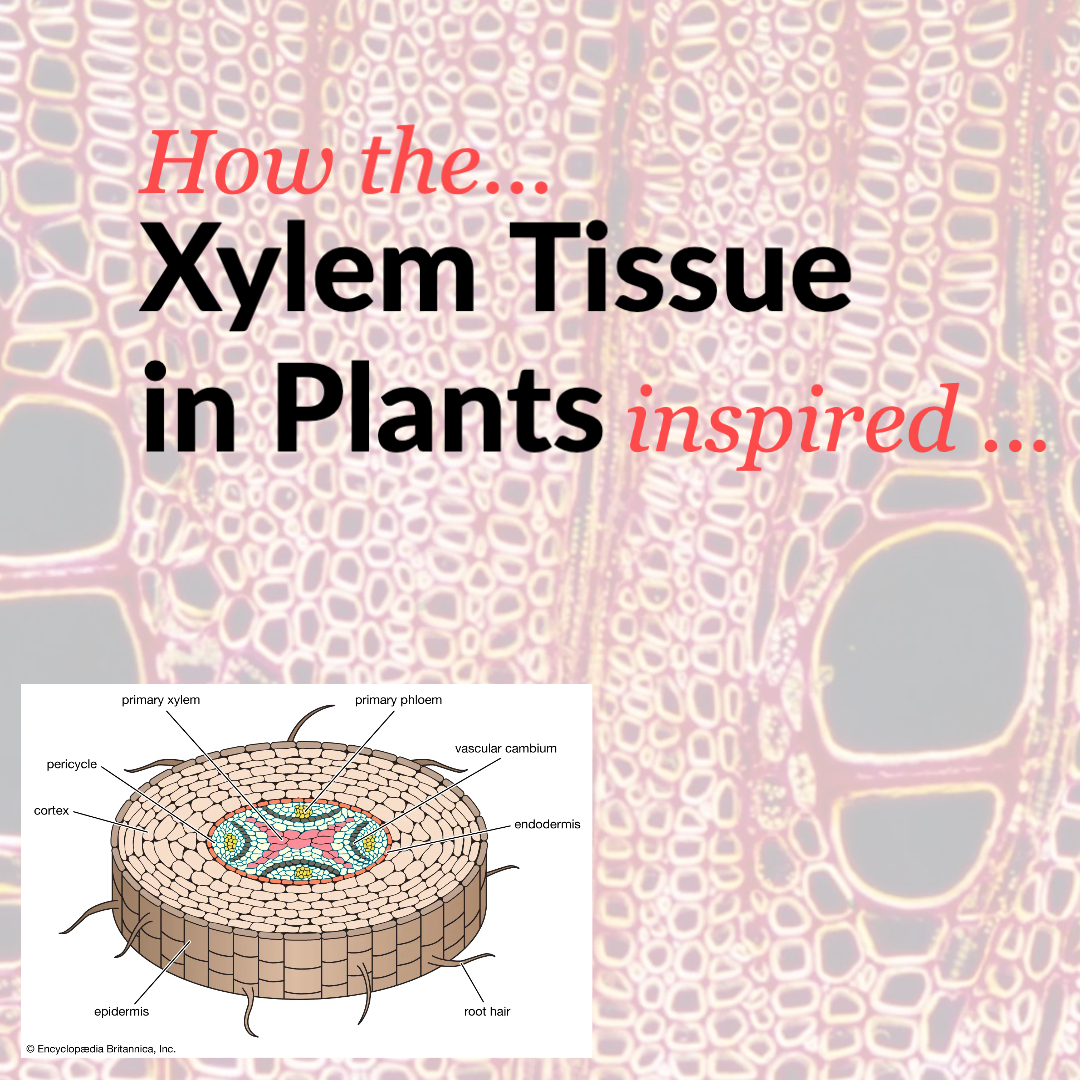
Vascular Plants, Sapwood (Xylem Tissue), the natural model for Xylem Plant Filtration
Xylem Plant Filtration: the human application

Inspired by: Vascular Plants, Sapwood (Xylem Tissue)

Xylem Plant Filtration

MIT

99.97

bacterial removal

log reduction value for E. coli and pathogens

0

energy requirement

kilowatt-hours per thousand litres

0.15

material cost

GBP per litre purified capacity

The Problem

1 billion people lack access to safe water. Mechanical filtration systems require electricity, replacement cartridges, and technical maintenance impossible in resource-limited regions.

Sapwood xylem filters bacteria at 99.9%. Costs nearly nothing.

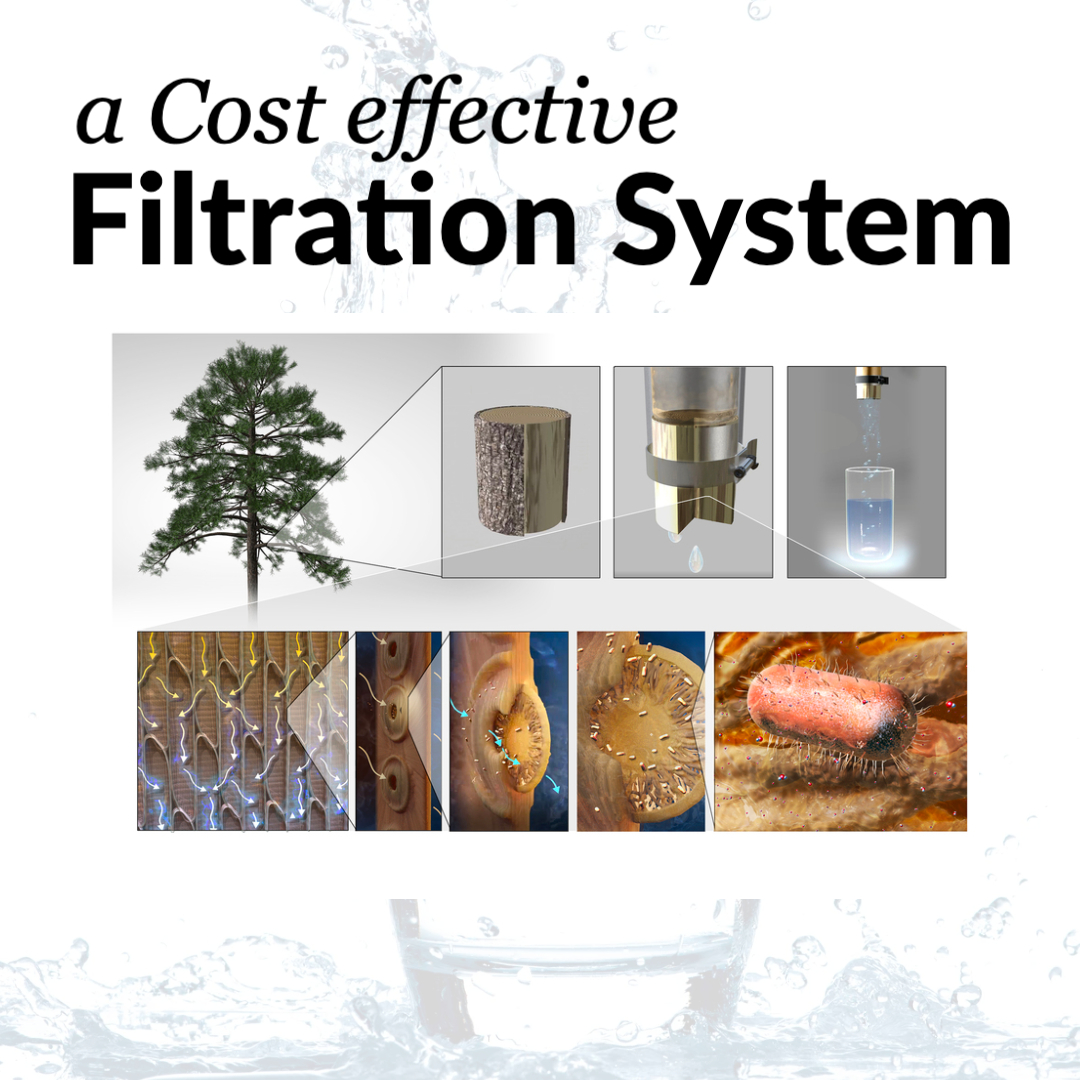
Plant xylem tissue—the transport system carrying water from roots to leaves—contains microscopic channels evolved to exclude pathogenic bacteria and particles whilst allowing pure water passage. These natural filters have operated with 99.9% efficiency for millions of years. MIT researchers studying plant water transport discovered that sapwood xylem could filter water more effectively than expensive mechanical filters at nearly zero cost. The wood's cellular structure creates capillary passages (0.1-1 micron diameter) that exclude bacteria, protozoa, and sediment whilst allowing water molecules through. In developing regions where water treatment infrastructure is unavailable, researchers demonstrated that untreated sapwood samples could purify contaminated water to drinkable standards. A single piece of sapwood the size of a thumb can purify litres of water daily for months before requiring replacement. This extraordinary simplicity—requiring no electricity, no maintenance, no replacement cartridges—demonstrates that nature's filtration systems are fundamentally superior to engineered alternatives where access to clean water remains the greatest barrier to health.
Biomimicry Breakdown

The Biomimicry Analysis

How Vascular Plants, Sapwood (Xylem Tissue) translates into Xylem Plant Filtration

Term
Applied to Xylem Plant Filtration
Function
Sapwood xylem vessels contain interconnected tubules 0.1-1 micrometre in diameter. Water molecules (0.3 nm) pass freely whilst bacteria (0.5-5 micrometres) and protozoan oocysts (4-16 micrometres) are excluded through size-based sieving.
Mechanism
Water enters xylem vessels through pit connections where bordered pits (valve-like structures) prevent bubble formation and pathogen entry. Water molecules navigate through capillary vessels via matric potential gradients. Bacteria cannot fit through the most restrictive passages and are retained as water flows past them.
Design Principle
Passive size-exclusion filtration is superior to active filtration because evolved structures achieve selectivity through geometry alone without energy input or maintenance.
Resulting Design
Single sapwood samples filter 1000+ litres to potable standards before replacement. Filtration cost <0.01 GBP per thousand litres. Zero maintenance, zero electricity, zero training required.

Find your own nature-inspired opportunities

Inspired by Xylem Plant Filtration? The Biomimicry Opportunity Map scans your company website and suggests challenges worth solving the way nature would.

Get started →

Apply This

Design Application Prompts

There's a natural world to explore

Learn to find strategies like this yourself