
Environmental
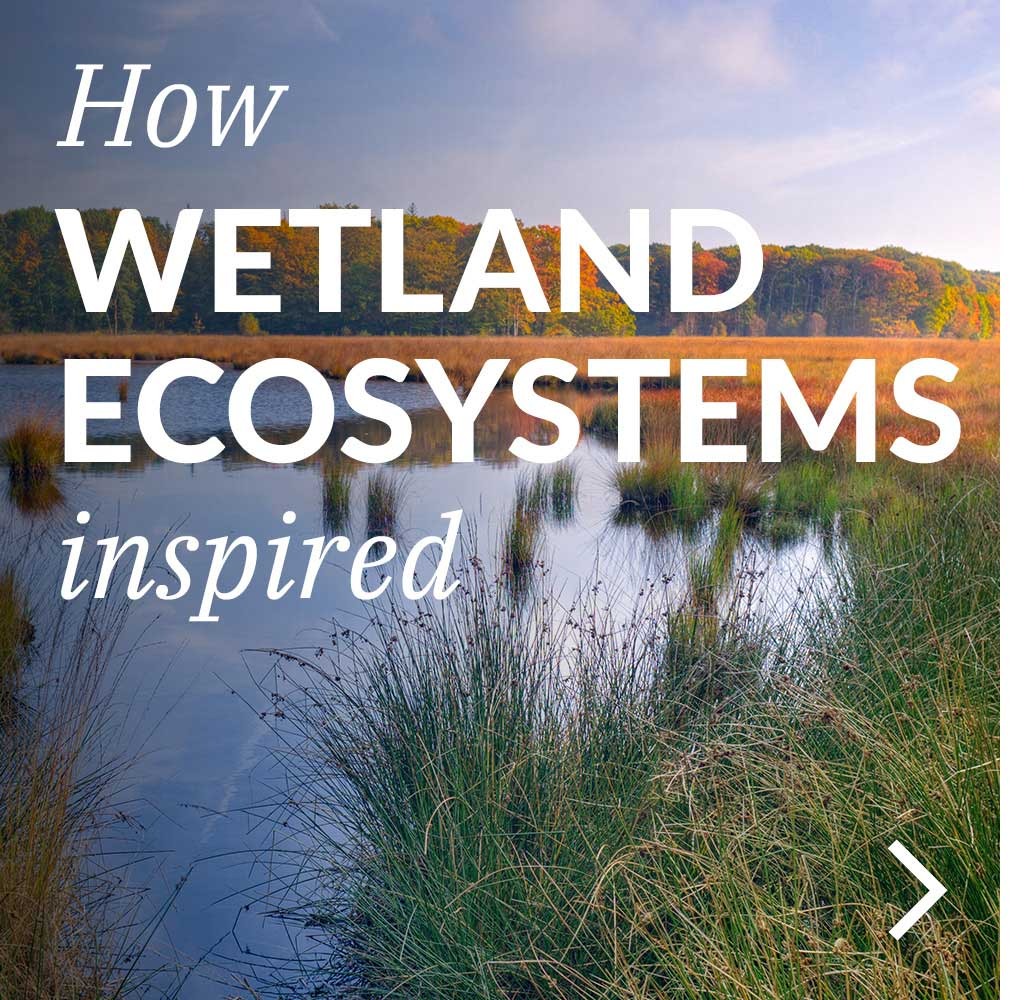
Wetland ecosystems (multiple plant and microbial species), the natural model for Wetland Ecosystems: Eco-Machine Wastewater Treatment
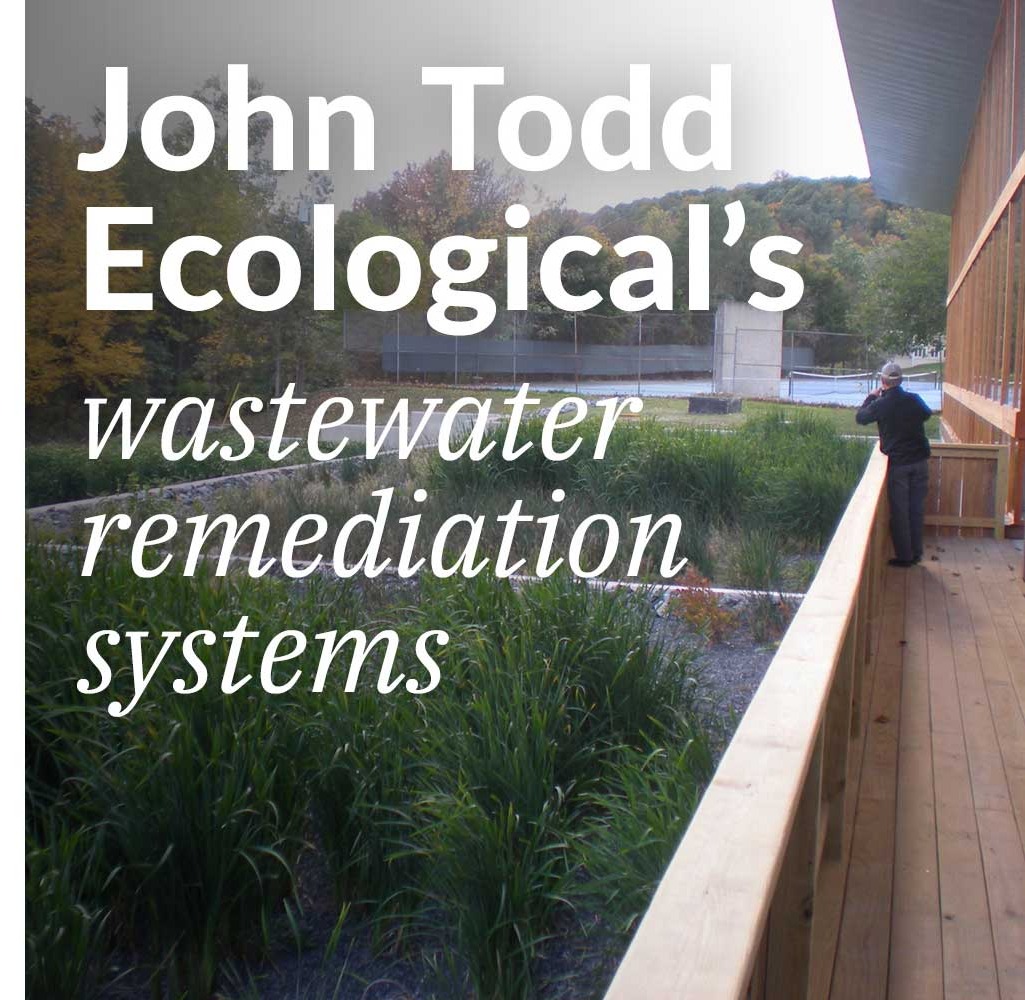
Wetland Ecosystems: Eco-Machine Wastewater Treatment: the human application

Inspired by: Wetland ecosystems (multiple plant and microbial species)

Wetland Ecosystems: Eco-Machine Wastewater Treatment

John Todd Ecological Design

The Problem

Conventional wastewater treatment is energy-intensive and chemical-dependent; natural treatment methods needed for sustainable communities.

Wastewater treatment systems designed as functioning ecosystems mimicking natural wetlands for biological purification.

John Todd Ecological Design developed Eco-Machines that integrate wetland principles, aquatic plants, and microbial processes into compact treatment systems. These living treatment systems use natural decomposition, plant nutrient uptake, and biological degradation to purify wastewater to clean water standards without chemical inputs.

Biomimicry Breakdown

The Biomimicry Analysis

How Wetland ecosystems (multiple plant and microbial species) translates into Wetland Ecosystems: Eco-Machine Wastewater Treatment

Term
Applied to Wetland Ecosystems: Eco-Machine Wastewater Treatment
Function
Mimics wetland ecosystems to treat wastewater biologically.
Mechanism
Plant uptake, microbial decomposition, and substrate filtration.
Design Principle
Work with nature's processes rather than against them.
Resulting Design
Effective wastewater treatment with minimal chemical inputs.

Find your own nature-inspired opportunities

Inspired by Wetland Ecosystems: Eco-Machine Wastewater Treatment? The Biomimicry Opportunity Map scans your company website and suggests challenges worth solving the way nature would.

Get started →

Apply This

Design Application Prompts

There's a natural world to explore

Learn to find strategies like this yourself