Architecture
Human DNA structure and skiing mechanics, the natural model for Tao Zhu Yin Yuan: DNA Double-Helix Carbon-Absorbing Tower
Tao Zhu Yin Yuan: DNA Double-Helix Carbon-Absorbing Tower: the human application

Inspired by: Human DNA structure and skiing mechanics

Tao Zhu Yin Yuan: DNA Double-Helix Carbon-Absorbing Tower

Vincent Callebaut Architectures

130 tons

Annual CO2 absorption

through integrated vegetation

Column-free

Seismic resilience

helical force distribution

Best Tall Building 2014

Award recognition

International Architecture Award

The Problem

Urban towers generate significant carbon emissions both during construction and operation. Seismic zones require expensive structural reinforcement. Occupants seek both privacy and panoramic views, creating competing design demands.

This Taipei tower's DNA double-helix form provides panoramic views, privacy, and structural resilience while absorbing 130 tons of CO2 annually through integrated green systems.

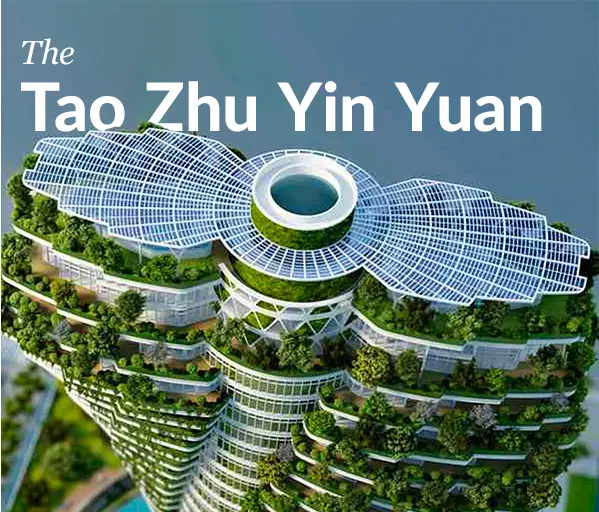
Tao Zhu Yin Yuan in Taipei represents a stunning convergence of architectural form and ecological function, designed by Vincent Callebaut Architectures. The tower's defining feature is its model on the double-helix structure of human DNA—the iconic twisted molecule that encodes all life. This biomimetic form is not merely aesthetic; it serves fundamental functional purposes that demonstrate how nature's shapes emerge from optimised performance.

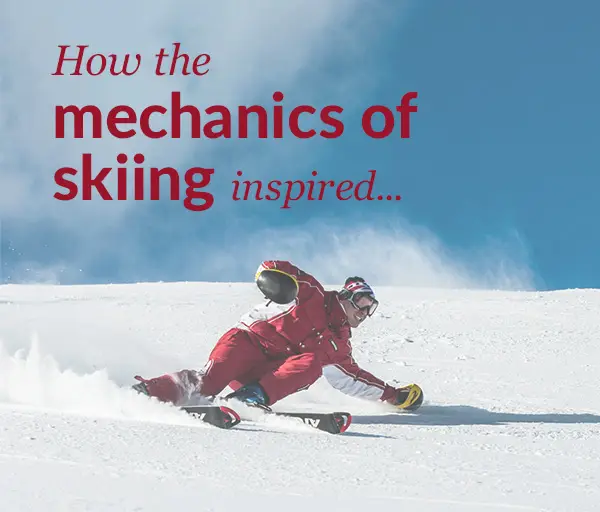
The double-helix geometry creates multiple environmental and structural benefits. The tower's panoramic views emerge naturally from the twisted form, while its helical geometry simultaneously enhances privacy for residents on opposite sides of the spiral. Most critically, the column-free interior structure of this helical design achieves seismic resistance by replicating weight transfer mechanics observed in skiing—where athletes harness rotational forces for stability and control. This creates a building that can flex and move with seismic forces rather than resisting rigidly.

The tower functions as a carbon sink, absorbing 130 tons of CO2 annually through integrated vegetation and biological systems embedded throughout its structure. Enlarged open-air gardens spiral up the facade, supporting air purification and renewable energy generation systems. The building won the International Architecture Award for Best Tall Building in 2014, recognition of how elegantly it merges structural innovation, environmental performance, and biomimetic design principles into a single iconic form that benefits both inhabitants and the broader ecosystem.
Biomimicry Breakdown

The Biomimicry Analysis

How Human DNA structure and skiing mechanics translates into Tao Zhu Yin Yuan: DNA Double-Helix Carbon-Absorbing Tower

Term
Applied to Tao Zhu Yin Yuan: DNA Double-Helix Carbon-Absorbing Tower
Function
The tower must house residents comfortably while sequestering carbon, providing both privacy and panoramic views, and surviving seismic events.
Mechanism
DNA's double helix maximises information storage through efficient helical packing. Skiing demonstrates rotational forces creating stability through dynamic balance.
Design Principle
Use spiral geometry to achieve multiple functions simultaneously (views, privacy, structural efficiency). Embed living systems as load-bearing and functional components, not afterthoughts.
Resulting Design
A tower that is simultaneously structurally elegant, seismically resilient, environmentally restorative, and socially functional—proof that biomimetic design can address complex urban challenges holistically.

Find your own nature-inspired opportunities

Inspired by Tao Zhu Yin Yuan: DNA Double-Helix Carbon-Absorbing Tower? The Biomimicry Opportunity Map scans your company website and suggests challenges worth solving the way nature would.

Get started →

Apply This

Design Application Prompts

There's a natural world to explore

Learn to find strategies like this yourself