
PolyGone Systems: Remove microplastics from the world's waters
PolyGone Systems: Remove microplastics from the world's waters Microplastics are tiny, but they are a huge problem for our water.

Inspired by: Coral Reef Ecosystem
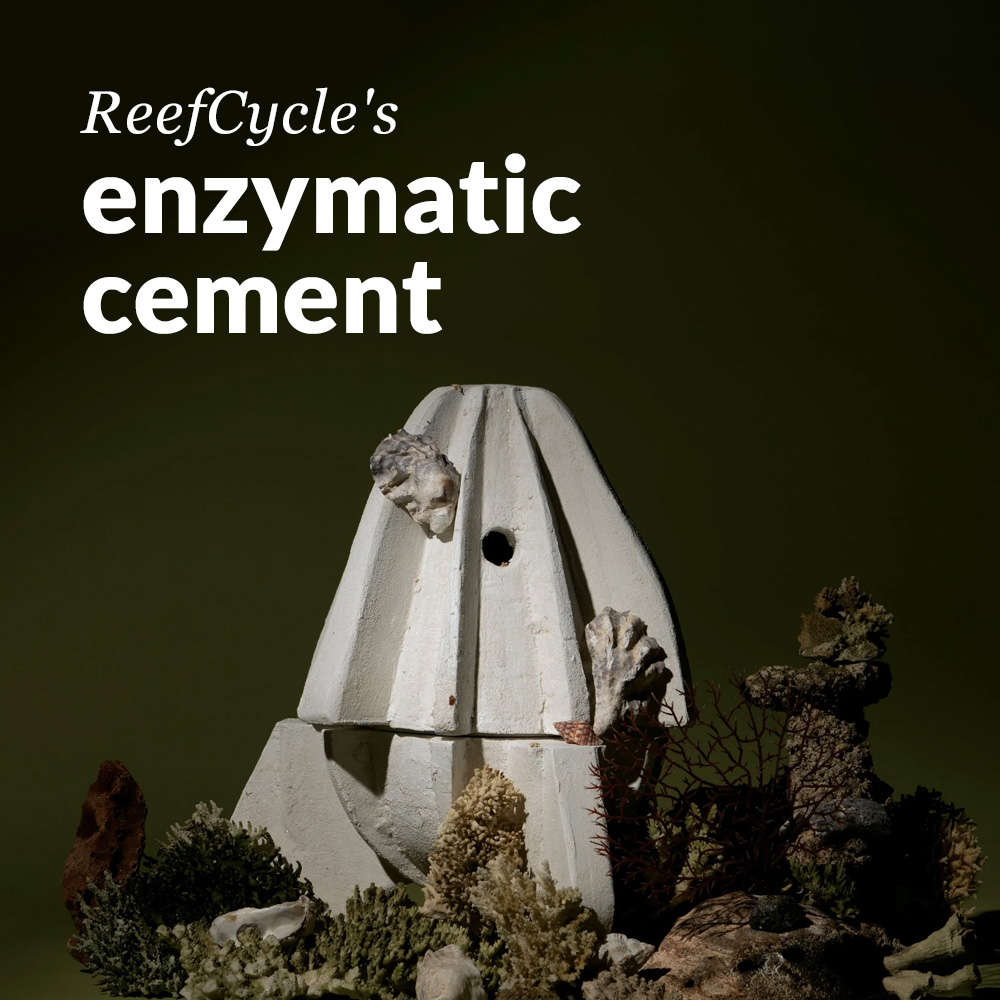
Reefcycle
~0
Net nutrient export from a healthy coral reef
Near-complete internal cycling despite nutrient-poor surrounding ocean water
30%
Higher nutrient removal efficiency versus conventional activated sludge
Cascade trophic chambers convert residual nutrients rather than attempting chemical removal
+ve
Cash flow from biomass sales in pilot systems
Algal and invertebrate harvest revenue exceeds operational treatment costs
The Problem
Conventional wastewater treatment destroys nutrients through energy-intensive processes and discharges treated effluent, while the same nutrients are purchased as manufactured fertiliser elsewhere — a linear system blind to circular resource recovery.
Cascade nutrient cycling modelled on coral reef trophic loops
Conventional wastewater treatment plants are designed around a linear model: receive sewage, remove as much biological oxygen demand and nutrient load as possible through settling and activated sludge, then discharge treated effluent and send sludge to landfill or incineration. The nutrients — nitrogen and phosphorus — that drove the original wastewater problem are destroyed or wasted rather than recovered. Meanwhile, those same nutrients cost significant energy and chemical inputs to produce as fertiliser elsewhere in the agricultural system.
Coral reefs demonstrate a radically different model. Despite surrounding ocean waters containing almost no dissolved nutrients, reefs support the highest biomass density of any marine ecosystem by cycling nutrients through tightly coupled organism webs. Organic matter passes through bacteria, zooplankton, small fish, and large predators; at each step, waste from one organism becomes food for the next, and microbial loops remineralise residual dissolved organic matter back into inorganic forms that reef algae can reuse. The net result is near-zero nutrient export from a highly productive system.
Singapore-based Reefcycle is designing wastewater treatment systems structured as cascade ecosystems. Rather than using a single activated-sludge stage, the system passes effluent through a sequence of trophic chambers — bacterial, algal, invertebrate, and fish stages — each of which consumes the waste produced by the previous one. Nutrients circulate through the cascade rather than being discharged; algal and invertebrate biomass produced at intermediate stages becomes agricultural feed or fertiliser input, recovering economic value from what conventional treatment destroys.
In pilot systems, this approach has demonstrated higher nutrient removal efficiency than conventional treatment while producing positive cash flows from biomass sales — a direct inversion of the cost structure of conventional wastewater utilities, which spend energy destroying nutrients that are simultaneously purchased elsewhere.
Biomimicry Breakdown
How Coral Reef Ecosystem translates into Coral Reef Wastewater Treatment
Find your own nature-inspired opportunities
Inspired by Coral Reef Wastewater Treatment? The Biomimicry Opportunity Map scans your company website and suggests challenges worth solving the way nature would.
Get started →Apply This
PolyGone Systems: Remove microplastics from the world's waters Microplastics are tiny, but they are a huge problem for our water.

Fungi and fungal networks
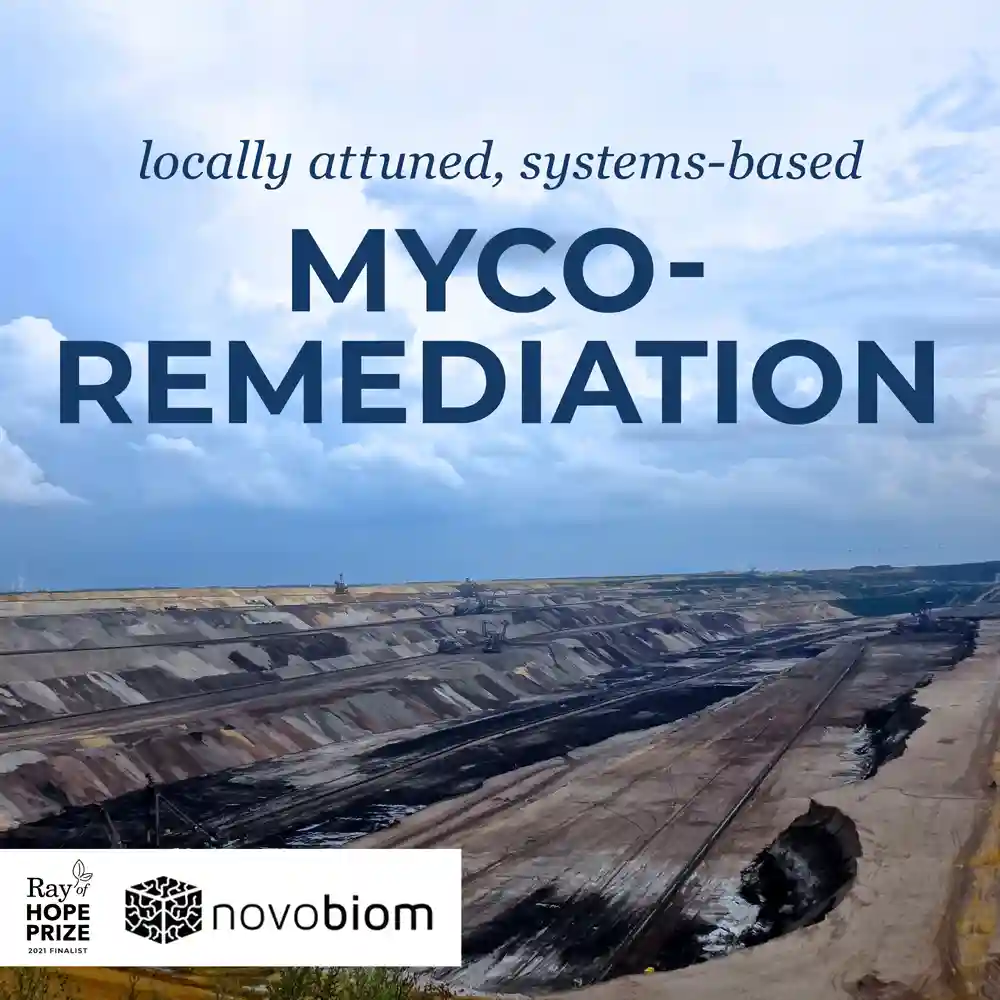
Novobiom harnesses fungal and mycelium networks to remediate contaminated industrial sites. Fungi naturally break down pollutants and absorb heavy metals, restoring soil health without excavation or chemical treatment.


Fungal mycelium (Ganoderma and other species)
Ecovative Design grows packaging, leather, and foam from fungal mycelium fed on agricultural waste, replacing petroleum-based polystyrene and plastics with materials that are home-compostable in 30–45 days and produce 90 % fewer greenhouse gas emissions.
There's a natural world to explore