Technology
Termite swarm collective behaviour, the natural model for Encycle - Termite Swarm Logic HVAC Optimisation
Encycle - Termite Swarm Logic HVAC Optimisation: the human application

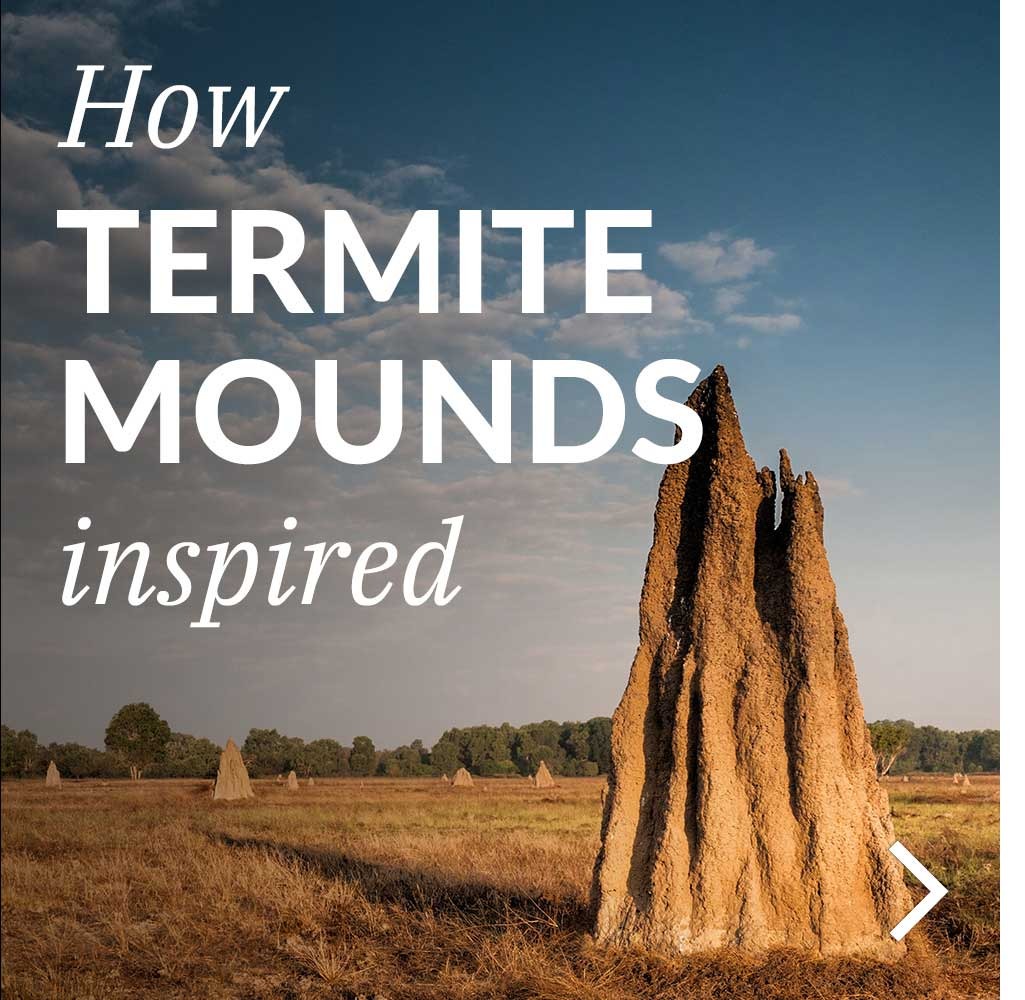
Inspired by: Termite swarm collective behaviour

Encycle - Termite Swarm Logic HVAC Optimisation

Encycle

15-25

percent energy reduction vs. conventional thermostats

HVAC optimisation in field trials

±0.5°C

temperature control precision

stability of distributed system

<1

second response latency to disturbances

via mesh-network signalling

The Problem

Building HVAC systems waste 30-40% of energy through centralised thermostat control that cannot respond to local microclimate variations. Smart buildings require expensive distributed sensors and sophisticated algorithms. Simpler, more resilient control approaches are needed.

Termite swarm coordination logic inspires decentralised building HVAC systems that optimise energy without central controls.

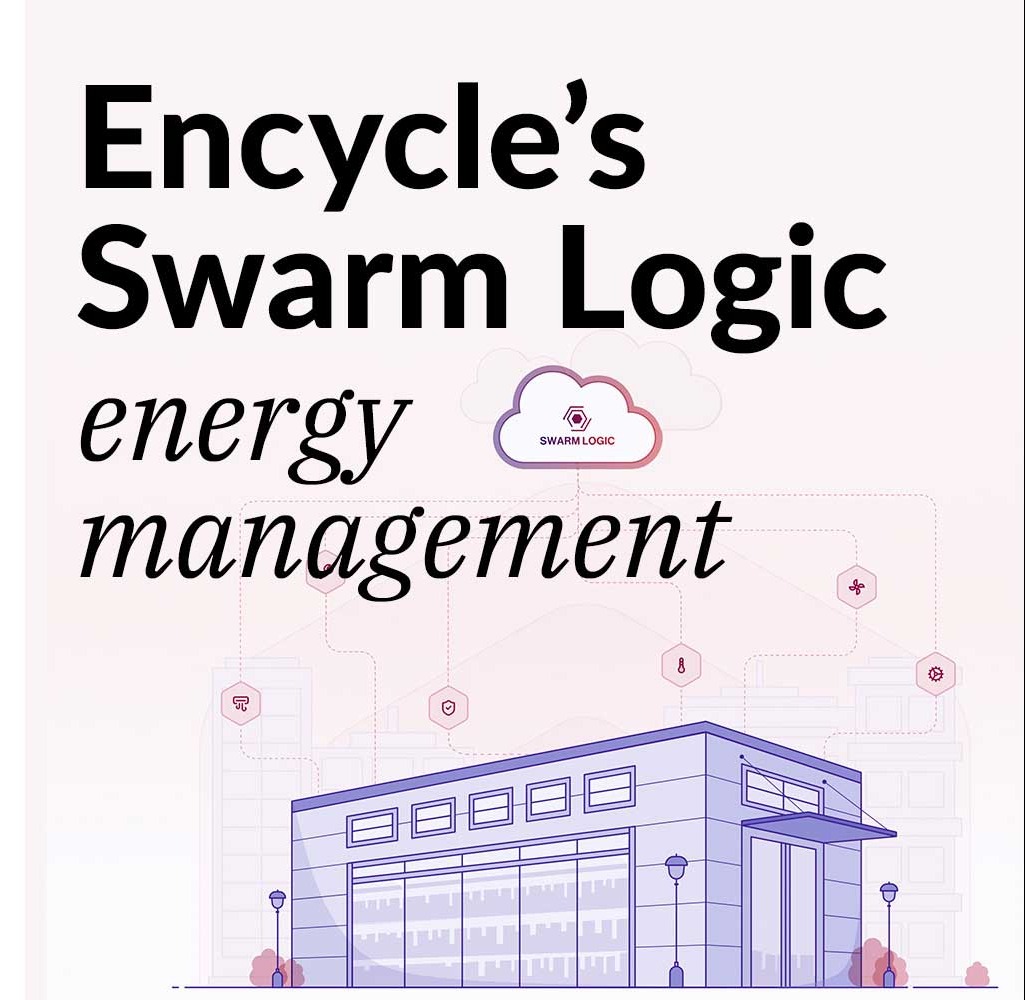
Termite colonies maintain precise temperature and humidity within their mounds despite external temperature swings of 40°C+, using only passive airflow and pheromonal signals—no central control, no energy input. Individual termites follow simple local rules: open vents when CO2 rises, close them when temperature exceeds threshold. Collectively, these local decisions create global optimisation, maintaining homeostasis across the entire structure. There is no termite CEO directing airflow; the colony operates as a distributed intelligence system. Encycle recognised that building HVAC systems mimic this structure-scale problem perfectly: maintain indoor climate efficiently without centralised control that requires expensive sensors and computational infrastructure. The company developed a network of 'smart vents' deployed throughout a building, each following termite-like rules: measure local temperature, humidity, and CO2; decide locally whether to open or close; signal neighbours through wireless mesh. No central thermostat, no complex algorithms—just termite-inspired pheromonal-analogue signalling. Field trials in office buildings show Encycle systems reducing HVAC energy consumption by 15-25% versus conventional thermostat-based systems, whilst maintaining tighter temperature control and superior air quality. Critically, the system scales: adding rooms requires no recalibration, and failures cascade gracefully—a failed vent triggers neighbouring vents to compensate automatically.
Biomimicry Breakdown

The Biomimicry Analysis

How Termite swarm collective behaviour translates into Encycle - Termite Swarm Logic HVAC Optimisation

Term
Applied to Encycle - Termite Swarm Logic HVAC Optimisation
Function
Termite mounds must maintain stable temperature and humidity across large volumes despite external temperature swings and internal heat generation from metabolic activity. Individual termites cannot perceive global conditions; they solve this through local sensing and neighbour communication.
Mechanism
Termites detect local CO2 (metabolic indicator), temperature, and humidity. When CO2 rises above threshold, termites avoid the area (negative pheromone), reducing traffic and triggering vent-opening behaviour. When temperatures exceed threshold, termites seek deeper cooler zones. Collective movement adjusts airflow gradually without central command.
Design Principle
Design distributed control systems where individual nodes measure local conditions and make decisions based on simple, unchanging rules. Use local signalling (wireless mesh as pheromonal analogue) to enable distributed decision-making. Ensure rules create stability: homeostatic feedback that prevents oscillation and graceful degradation.
Resulting Design
Encycle vents autonomously open/close based on local environmental cues, communicating decisions through mesh network. The system achieves 15-25% energy reduction, precise climate control, and resilience to component failures without requiring central computation or reconfiguration.

Find your own nature-inspired opportunities

Inspired by Encycle - Termite Swarm Logic HVAC Optimisation? The Biomimicry Opportunity Map scans your company website and suggests challenges worth solving the way nature would.

Get started →

Apply This

Design Application Prompts

There's a natural world to explore

Learn to find strategies like this yourself