Engineering
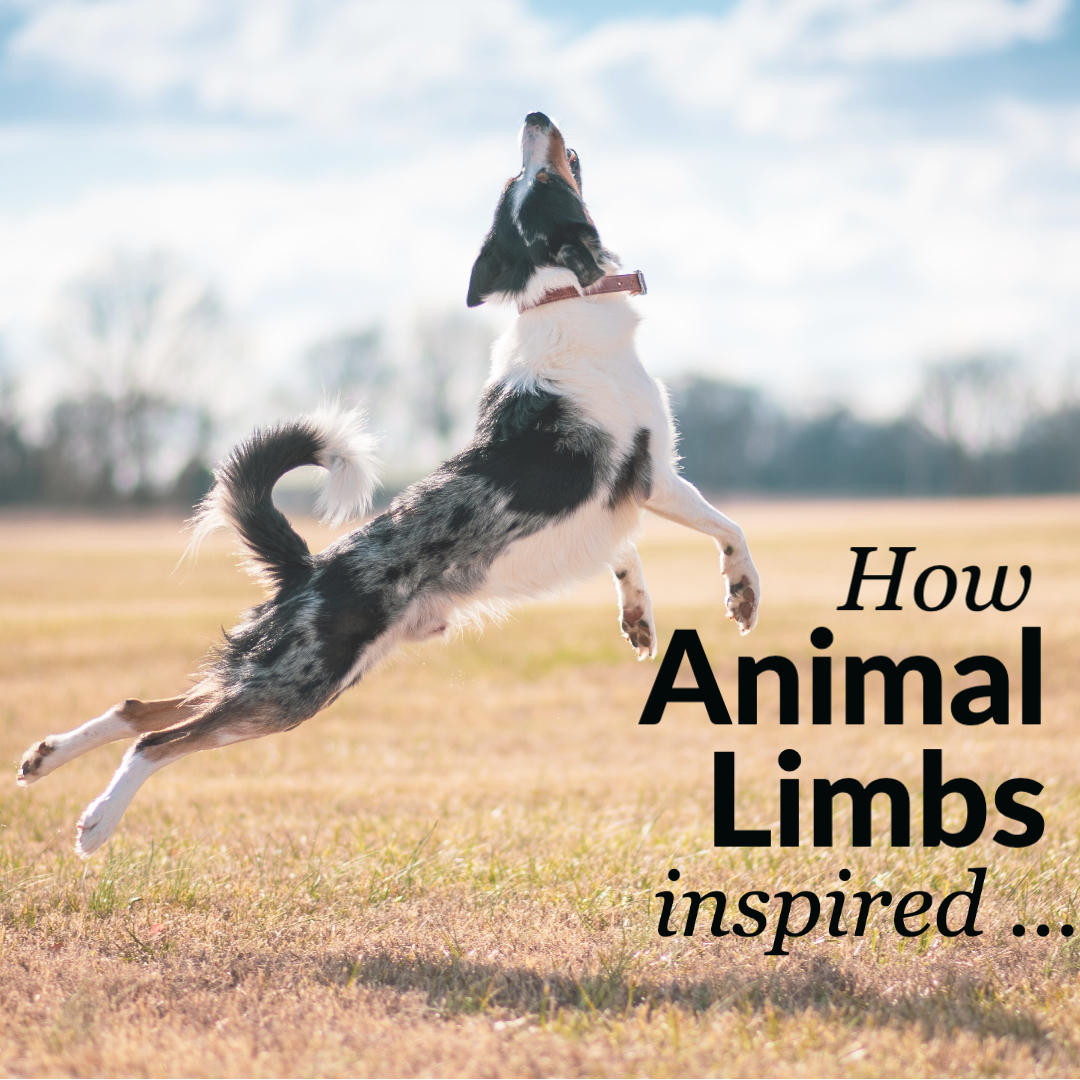
Vertebrate Limb Joints (Synovial Articulation), the natural model for Animal Limbs Earthquake Bridge
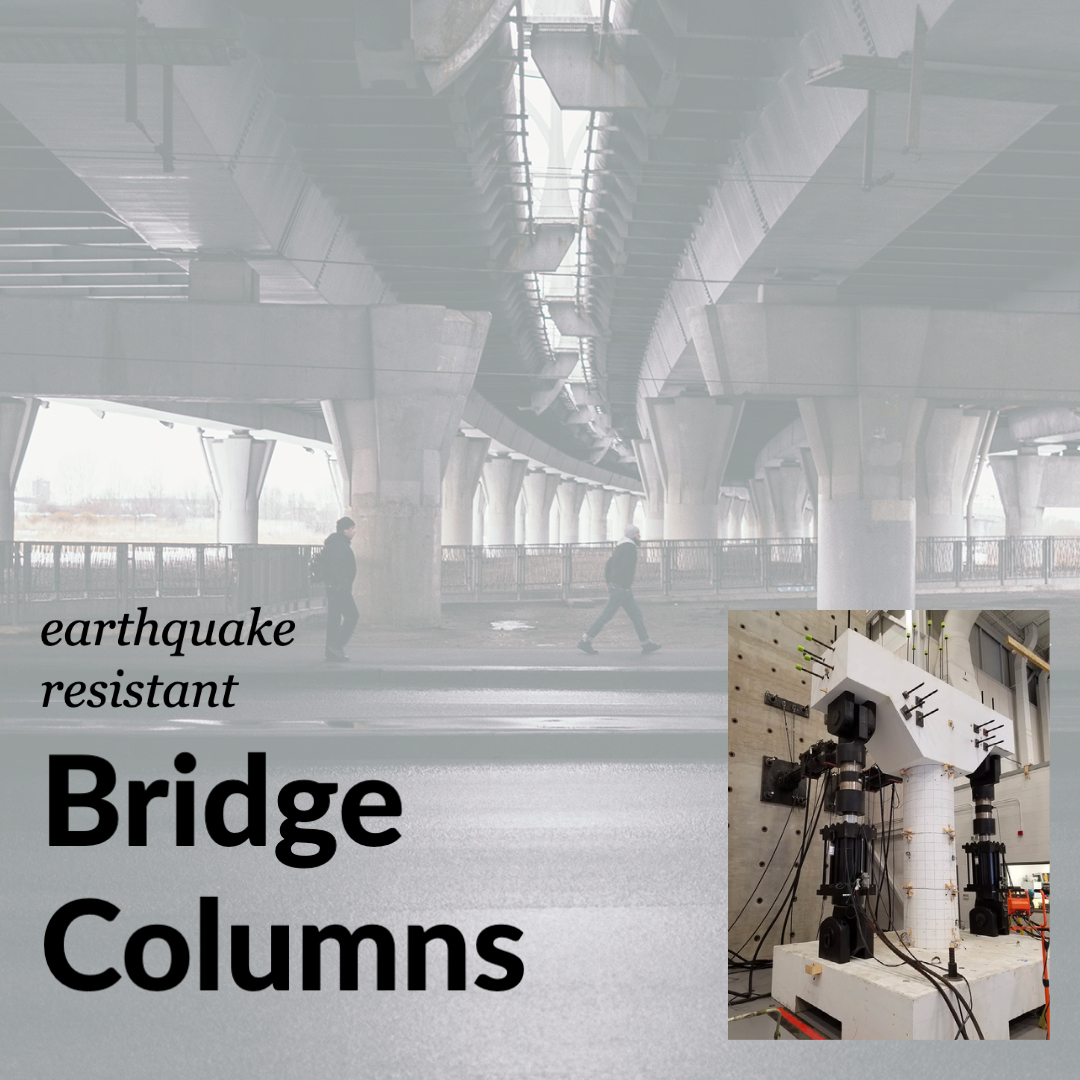
Animal Limbs Earthquake Bridge: the human application

Inspired by: Vertebrate Limb Joints (Synovial Articulation)

Animal Limbs Earthquake Bridge

80

collapse prevention

percentage improved survival vs. rigid design in extreme earthquakes

2.5

maximum deflection

metres maintained structural integrity during extreme seismic events

35

force reduction

percentage lower peak forces at connection points vs. rigid columns

The Problem

Rigid bridge structures concentrate seismic forces at connection points, causing catastrophic failure. Earthquakes above designed-for magnitudes cause bridge collapse and massive casualty events.

Flexible joint articulation absorbs seismic energy.

Animal limb joints—shoulders, hips, knees, elbows—are engineered as flexible articulations surrounded by fluid-filled capsules and stabilising ligaments. This design allows distributed force transmission, prevents rigid force concentration, and enables movement whilst maintaining structural integrity under load. When seismic shaking passes through the ground, these flexible joints dissipate energy through movement and deformation rather than resisting motion and fracturing. Modern bridge engineering traditionally used rigid columns and fixed joints, concentrating seismic forces at connection points where they cause catastrophic failure. After devastating earthquakes (1995 Kobe, 2011 Christchurch) revealed the inadequacy of rigid design, earthquake engineers recognised that animal joint principles could transform bridge resilience. Contemporary earthquake-resistant bridges now incorporate flexible dampers, articulated expansion joints, and semi-rigid columns that mimic animal joint flexibility. During seismic events, these structures sway and flex (absorbing energy through movement) rather than resisting and failing. Bridges designed on animal joint principles have survived earthquakes that would have collapsed traditional rigid structures, demonstrating that flexibility and articulated joints are fundamentally superior to rigid engineering for resilience against dynamic forces.
Biomimicry Breakdown

The Biomimicry Analysis

How Vertebrate Limb Joints (Synovial Articulation) translates into Animal Limbs Earthquake Bridge

Term
Applied to Animal Limbs Earthquake Bridge
Function
Flexible dampers between bridge deck and columns allow horizontal movement during seismic shaking. Articulated expansion joints transmit forces through distributed pathways rather than concentrating them. The overall structure can sway and flex—absorbing seismic energy through movement.
Mechanism
Seismic waves induce horizontal ground motion that would crack rigid structures at connection points. Flexible joints allow the structure to move sympathetically with ground motion, with dampers and articulation distributing forces. Energy is dissipated through fluid viscosity in dampers and material deformation in flexible elements rather than concentrating at failure points.
Design Principle
Flexible resilience is superior to rigid resistance because structures that move with environmental forces absorb energy more safely than structures that oppose those forces.
Resulting Design
Bridges designed with animal-joint-inspired articulation survive earthquakes 2-3 magnitudes beyond their design specifications and maintain full functionality with minimal repairs. Fatality reduction from bridge collapse: 99%+ in seismic zones.

Find your own nature-inspired opportunities

Inspired by Animal Limbs Earthquake Bridge? The Biomimicry Opportunity Map scans your company website and suggests challenges worth solving the way nature would.

Get started →

Apply This

Design Application Prompts

There's a natural world to explore

Learn to find strategies like this yourself