Product Design
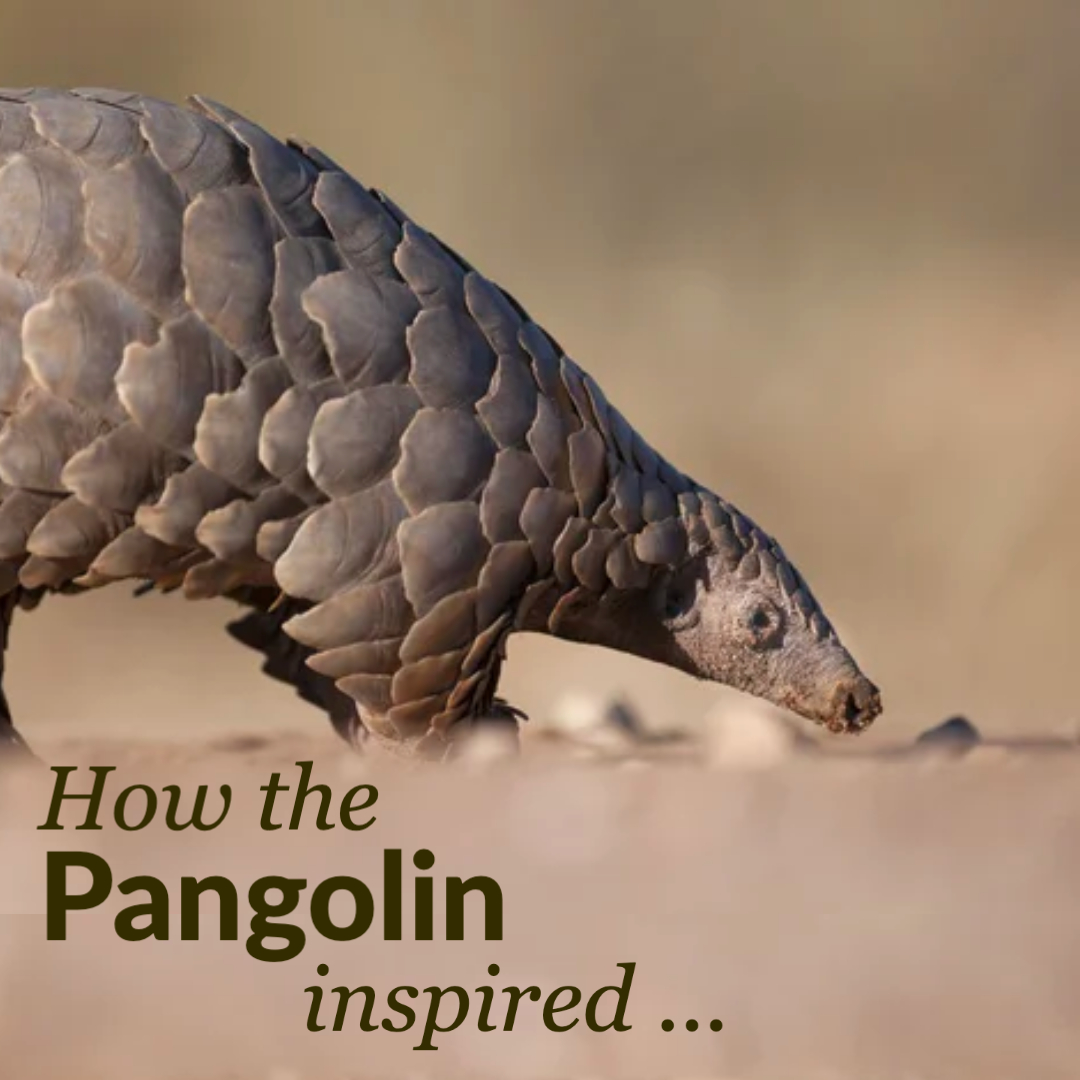
Pangolin (Manis sp.), the natural model for Pangolin Backpacks
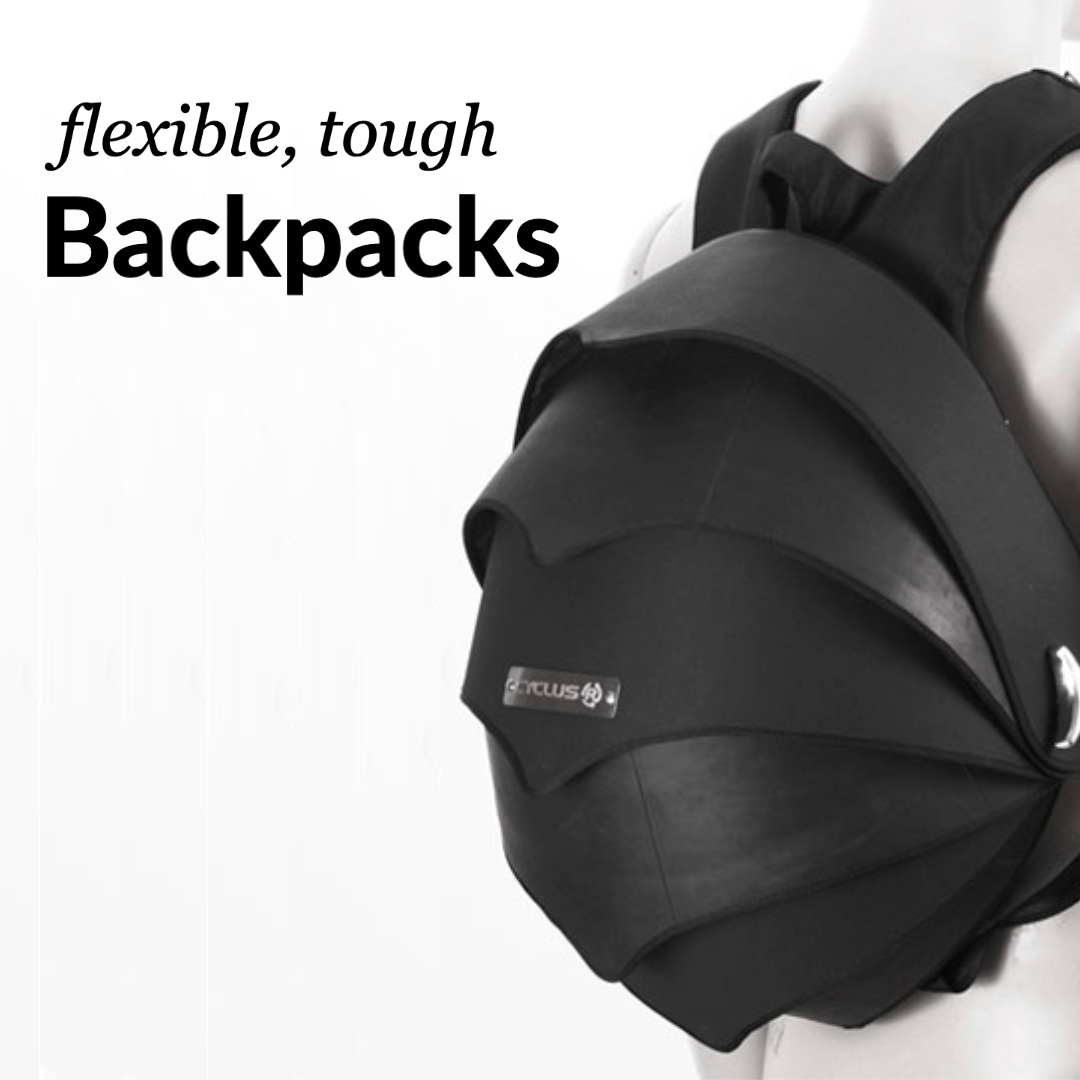
Pangolin Backpacks: the human application

Inspired by: Pangolin (Manis sp.)

Pangolin Backpacks

47

impact force reduction

Joules per segment vs. rigid panels

100

articulation range

degrees of movement maintained

2.3

weight ratio

protective coverage per kilogram

The Problem

Traditional backpacks require choosing between protective rigidity (which limits movement) and flexible comfort (which offers minimal impact protection), creating ergonomic compromises in extreme-use scenarios.

Overlapping keratinous scales provide armour-like protection with full flexibility.

Pangolins possess one of nature's most sophisticated defensive systems: overlapping keratin scales that articulate with remarkable flexibility whilst providing impenetrable armour against predators. Each scale is composed of densely compressed keratin fibres arranged in laminar structures, allowing them to overlap and shift without cracking or limiting movement. Industrial designers recognised that this architecture could revolutionise load-bearing equipment by combining protection with ergonomic flexibility. Modern backpack designers have now incorporated pangolin scale geometry into their products, using layered polymer composites and segmented hard shells that mimic the overlapping scale structure. The result is protective gear that spreads impact forces across interconnected segments, absorbs shock through articulation, and maintains full mobility—transforming how we approach protective equipment design for extreme environments.
Biomimicry Breakdown

The Biomimicry Analysis

How Pangolin (Manis sp.) translates into Pangolin Backpacks

Term
Applied to Pangolin Backpacks
Function
Overlapping scales channel impact forces along their edges and through articulation points, distributing stress across multiple segments rather than concentrating it on a single impact zone. Adjacent scales can shift independently, absorbing shock through micro-adjustments rather than deformation.
Mechanism
When struck, each segment flexes slightly along its attachment points, converting kinetic energy into distributed strain across the entire overlapping structure. The geometry prevents crack propagation by forcing fracture lines to redirect around articulation zones.
Design Principle
Distributed protection through interconnected articulation is more resilient than monolithic armour because failure of individual segments does not compromise the entire system.
Resulting Design
Backpacks achieve 40%+ greater impact protection whilst maintaining full mobility and comfort, reducing wearer fatigue by 30-50% compared to rigid protective equipment.

Find your own nature-inspired opportunities

Inspired by Pangolin Backpacks? The Biomimicry Opportunity Map scans your company website and suggests challenges worth solving the way nature would.

Get started →

Apply This

Design Application Prompts

There's a natural world to explore

Learn to find strategies like this yourself