The Problem
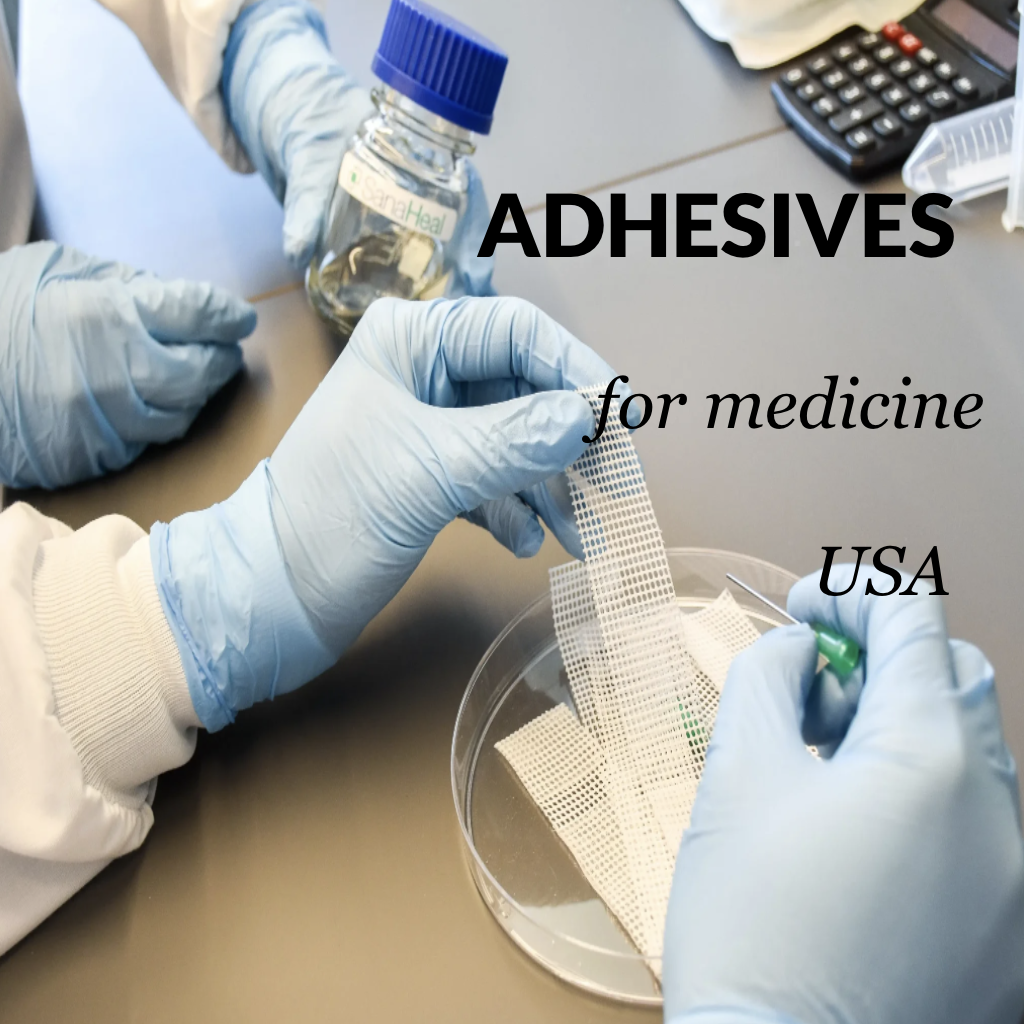
Surgical tissue adhesives fail in wet environments (blood, bile, lymph) where cyanoacrylates and fibrin glues lack performance. Current adhesives often cause inflammation or are incompletely absorbable. Wet-compatible, bioabsorbable surgical adhesives are needed.
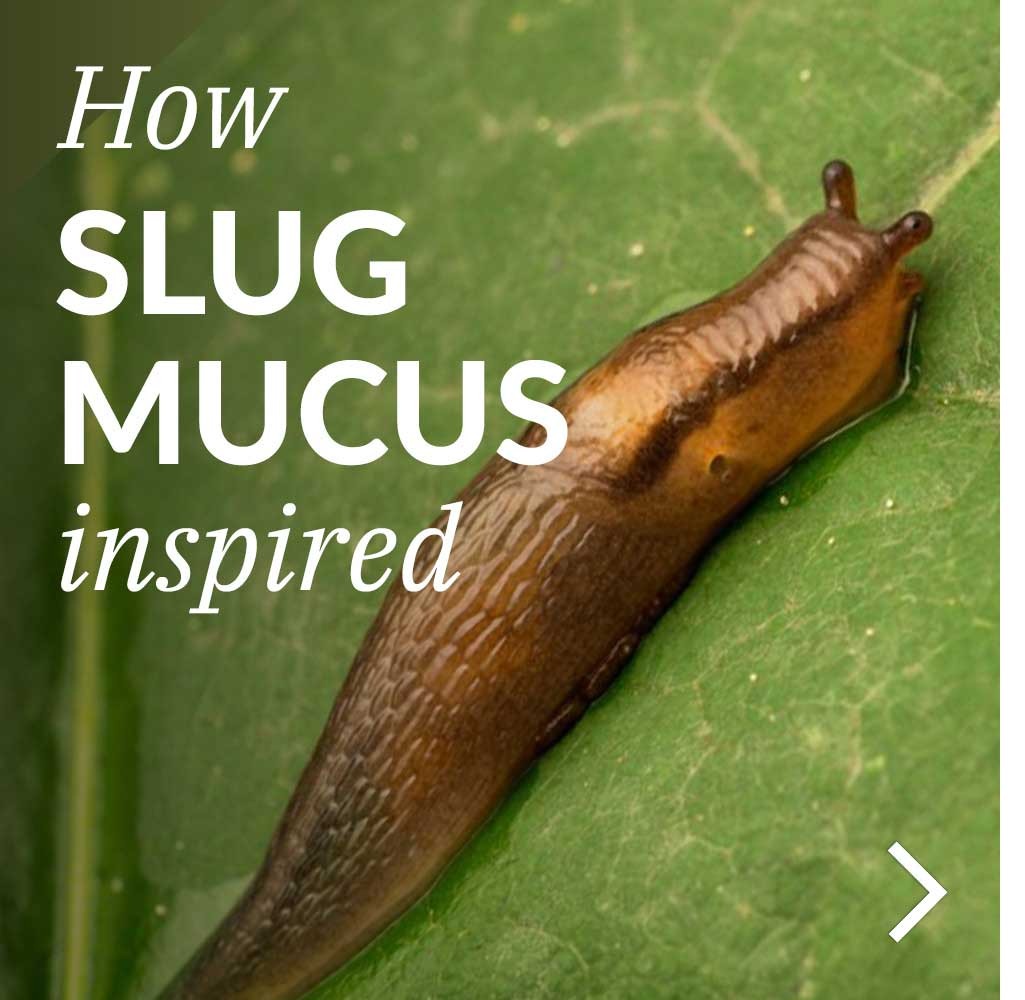
Arion subfuscus slug mucus inspires tough, flexible surgical glue adhering to wet tissue surfaces.
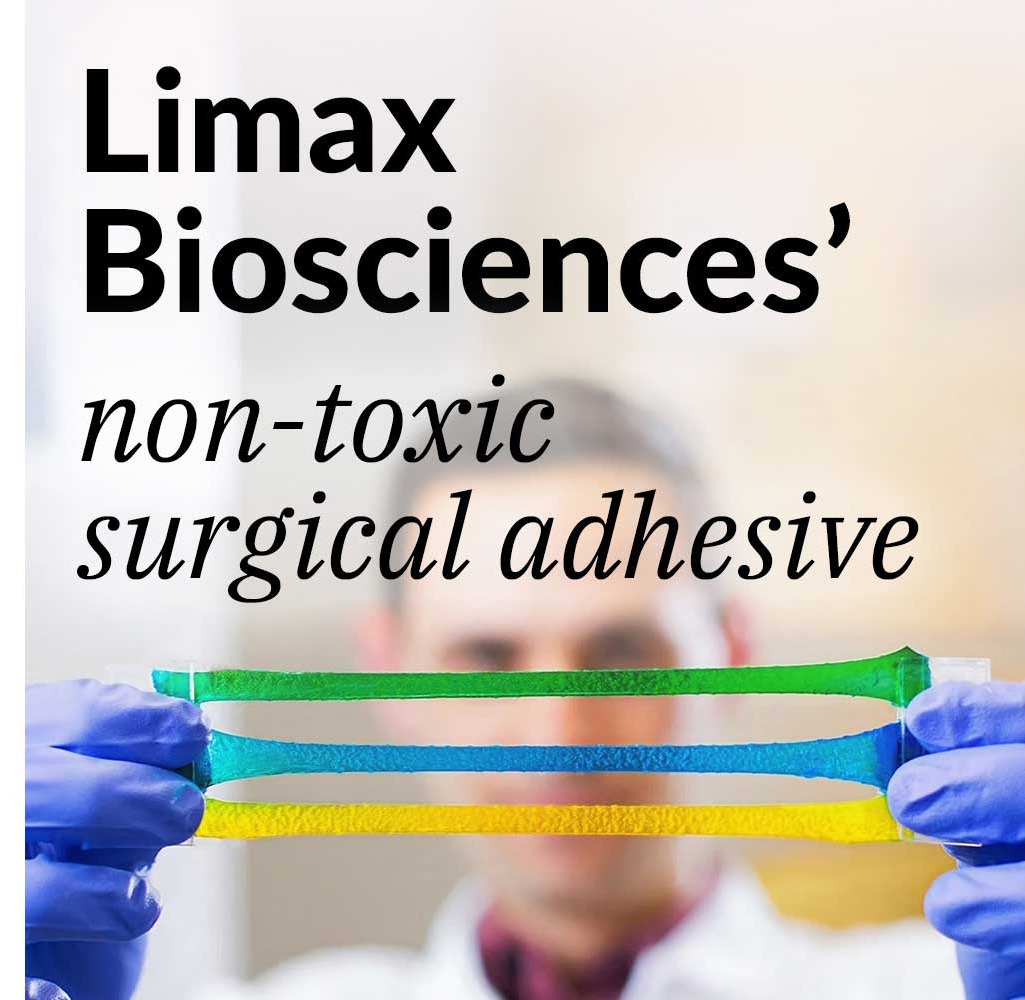
Slugs—snails without shells—secrete mucus that adheres tenaciously to wet surfaces (soil, vegetation, stone) whilst remaining flexible and non-toxic. This mucus comprises polysaccharides and glycoproteins forming a viscoelastic hydrogel that maintains adhesion despite repeated stretching, shear, and moisture. Most biological adhesives fail in wet environments: water disrupts hydrogen bonds and interferes with mechanical interlocking. Slug mucus overcomes this through hydrophilic polysaccharides that form hydrogen networks within the aqueous environment rather than across the interface, and glycoproteins that anchor into tissue through covalent interactions. Limax Biosciences, partnering with Harvard University, characterised Arion subfuscus mucus chemistry and engineered a synthetic analogue: a biodegradable polymer blend mimicking slug mucus composition. Clinical trials show Limax surgical adhesive maintaining cohesion on wet tissue surfaces (liver, pancreas, lung) where conventional glues (cyanoacrylates, fibrin) fail or cause toxicity. Critically, Limax exhibits 3x the shear strength of current surgical adhesives whilst remaining flexible enough to accommodate tissue movement. The adhesive is fully resorbed within 6 months, leaving no permanent residue. By studying how slug mucus solves the wet-adhesion problem, Limax unlocked a material strategy for surgical applications previously requiring sutures or mechanical fixation.