Product Design
Vascular Plants (Transpiration), the natural model for Evapotranspiration Toilets
Evapotranspiration Toilets: the human application

Inspired by: Vascular Plants (Transpiration)

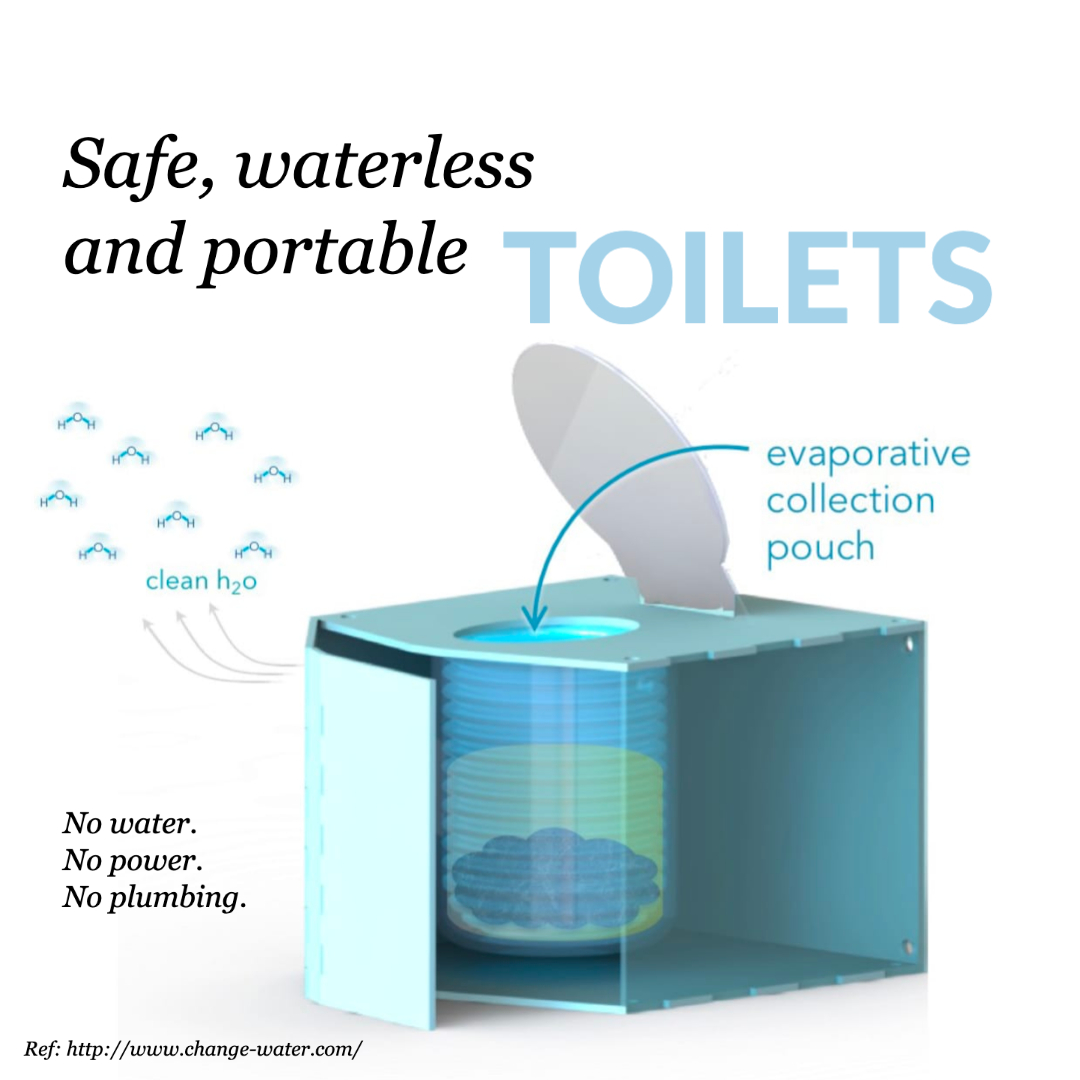
Evapotranspiration Toilets

99.97

pathogen removal

log reduction value in treated water

0

energy requirement

kilowatt-hours per toilet annually

2.5

water consumption

litres per day evapotranspired vs. 20+ for conventional systems

The Problem

2 billion people lack access to safe sanitation; conventional infrastructure requires energy, clean water supply, and sewage treatment—impossible in off-grid, water-scarce regions where sanitation need is greatest.

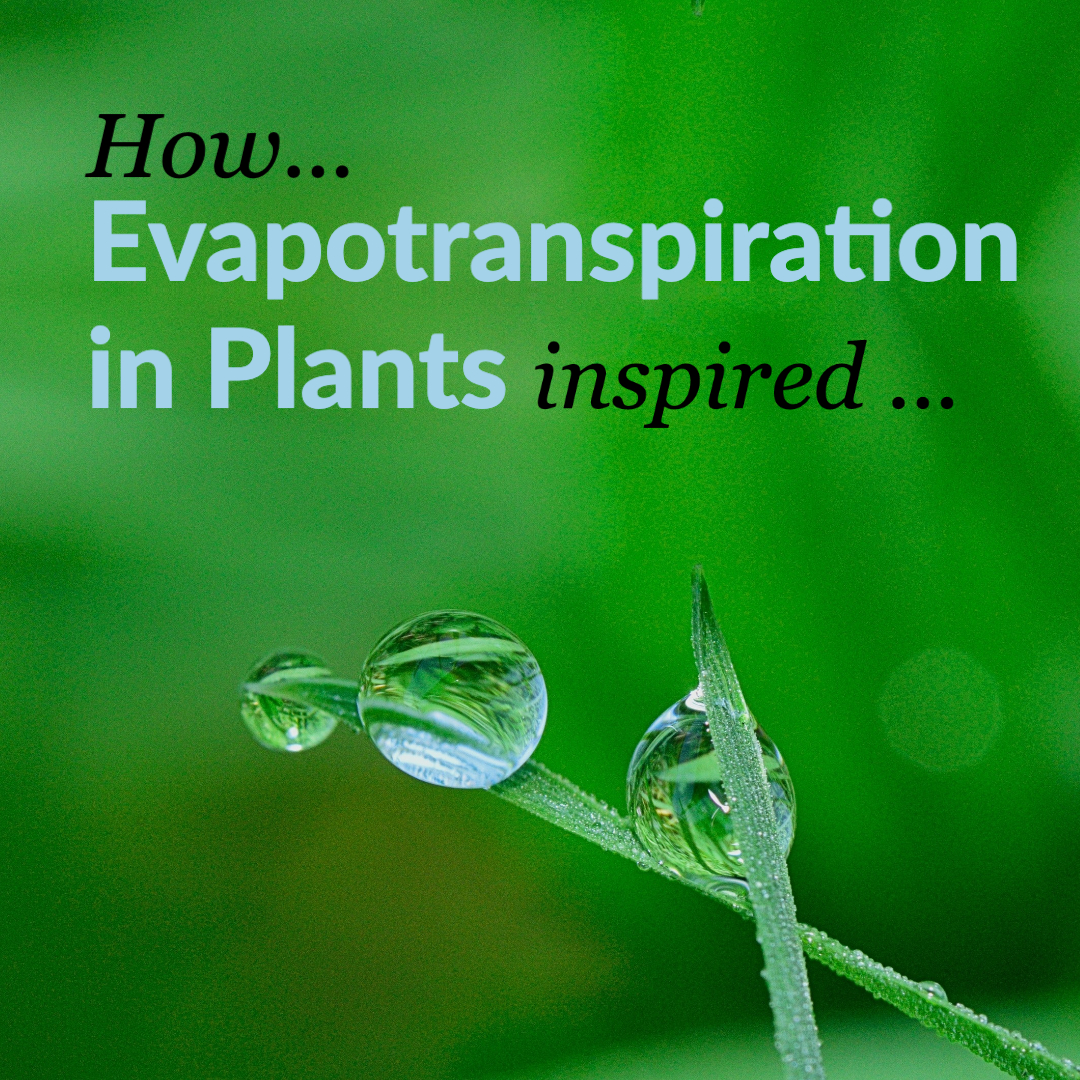
Plants transpire water through leaves. Applied to sanitation in developing world.

Plants draw water through their roots, transport it through xylem tissues, and release it as vapour through leaf stomata—a process called transpiration that powers nutrient cycling and cools the plant. Engineers developing sanitation infrastructure for off-grid communities recognised that transpiration could solve the fundamental challenge of waterless toilets: safely managing human waste without contaminating water sources or requiring energy input. Evapotranspiration (ET) toilet systems use constructed wetland chambers planted with tolerant vegetation that absorbs treated waste and transpires water vapour to the atmosphere. Microorganisms in the soil media break down solids whilst plant roots absorb nutrients and water, transpiring clean water back to the environment. This approach has transformed sanitation access across the developing world, providing safe, dignified toilet facilities in refugee camps, remote villages, and disaster areas—proving that nature's water purification systems are more efficient and sustainable than energy-intensive mechanical alternatives.
Biomimicry Breakdown

The Biomimicry Analysis

How Vascular Plants (Transpiration) translates into Evapotranspiration Toilets

Term
Applied to Evapotranspiration Toilets
Function
Human waste enters soil chambers where anaerobic microbes break down solids into simple compounds. Aerobic zones near plant roots oxidise remaining organic matter. Plant roots absorb nitrogen, phosphorus, and water whilst remaining soil microbes mineralise organic compounds.
Mechanism
Soil bacterial and fungal communities decompose organic waste through anaerobic and aerobic pathways. Plant roots absorb soluble nutrients and water, creating negative pressure that draws treated water upward through soil layers. Transpiration releases this water as clean vapour to the atmosphere.
Design Principle
Living systems achieve purification through multifunctional biological processes more efficiently than mechanical treatment because energy from the sun drives the entire cycle.
Resulting Design
Safe sanitation facilities serve 200+ people per toilet unit annually whilst producing zero brine, zero energy consumption, and actually improving local soil and plant growth.

Find your own nature-inspired opportunities

Inspired by Evapotranspiration Toilets? The Biomimicry Opportunity Map scans your company website and suggests challenges worth solving the way nature would.

Get started →

Apply This

Design Application Prompts

There's a natural world to explore

Learn to find strategies like this yourself